
When your AC quits on the hottest night of the summer, this is not a tomorrow problem. Emergency air conditioner repair matters most when indoor heat starts rising fast, airflow disappears, or your system shows signs that a small issue is becoming a much bigger one.
For most homeowners, the hard part is knowing whether the problem is truly urgent or just inconvenient. A unit that is running but not cooling enough is frustrating. A unit that has shut down during a heat wave, is leaking heavily, smells like burning, or keeps tripping the breaker deserves immediate attention. The difference is not just comfort. It can affect your safety, your electrical system, and the life of the equipment itself.
When emergency air conditioner repair is the right call
Not every AC issue needs same-day service, but some absolutely do. If your system stops working during extreme heat, especially when there are children, older adults, or anyone with health concerns in the home, waiting can turn into a real risk. The same goes for small businesses or rental properties where indoor conditions can quickly become unacceptable.
Another clear reason to call is if the system is making loud grinding, banging, or screeching noises. Those sounds usually point to failing components, loose parts, or motor trouble. Running the unit longer can increase the damage. What might have been a repair can become a full replacement if the system is pushed too far.
Water where it should not be is another warning sign. A little condensation is normal. Pooling water around the indoor unit, active leaking, or ice on the lines is not. Sometimes the cause is a blocked drain. Sometimes it is airflow restriction, low refrigerant, or another issue that needs proper diagnosis. If the leak is near electrical components or starting to affect floors, drywall, or ceilings, the urgency goes up quickly.
Then there are electrical symptoms. If your AC smells burnt, trips the breaker repeatedly, or will not power on after a reset, stop trying to force it. That kind of problem can involve wiring, capacitors, contactors, or the compressor. It needs a trained technician, not trial and error.
What to do before you call for service
A few quick checks can save time and sometimes solve the problem. Start with the thermostat. Make sure it is set to cool, the temperature is lower than the current room temperature, and the batteries are not dead if your model uses them. It sounds simple, but it is worth ruling out first.
Next, check the air filter. A clogged filter can choke airflow, reduce cooling, and even lead to frozen coils. If it looks dirty, replace it. Then look at the breaker panel. If the AC breaker has tripped once, you can reset it. If it trips again, stop there. Repeated breaker trips are a sign of a deeper electrical issue.
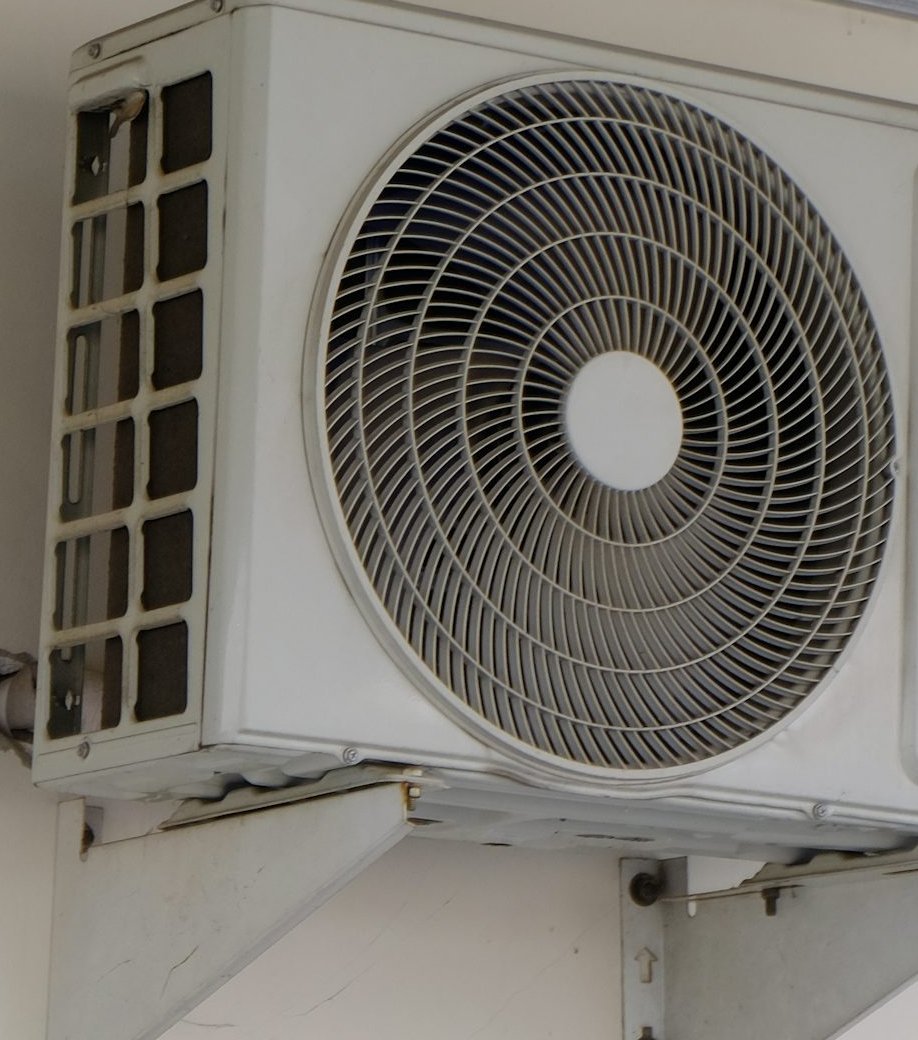
Go outside and inspect the condenser. If it is packed with leaves, grass, or debris, clear the area around it carefully. Good airflow matters. If you see ice on the refrigerant lines or indoor coil, turn the system off and switch the fan to on if your thermostat allows it. That may help thaw the ice, but it does not fix the root cause.
These steps are useful, but they have limits. If the system still is not cooling, is leaking, smells unusual, or is making harsh noises, it is time to call for professional help.
Why AC breakdowns happen at the worst time
There is a reason emergency calls spike during heat waves. Your air conditioner works hardest when outdoor temperatures climb, and any weakness in the system gets exposed under that strain. Capacitors fail. Motors overheat. Older compressors struggle. Dirty coils and blocked filters reduce efficiency until the unit can no longer keep up.
Aging equipment is a big factor, but not the only one. Lack of maintenance is just as common. Many systems give early warnings before they fail completely, such as longer run times, uneven cooling, weak airflow, rising energy bills, or short cycling. The trouble is that those signs are easy to ignore until the house is suddenly warm and the AC is down.
Installation quality matters too. An oversized or undersized system, poor airflow design, low refrigerant charge, or improper drainage can all create ongoing stress. Emergency repair is often about the immediate fix, but a good technician also looks at why the breakdown happened so the same issue does not keep coming back.
What a technician will look for during an emergency AC call
A proper emergency visit should be focused, efficient, and honest. The goal is to restore cooling safely, but also to identify the actual cause of failure rather than patching symptoms.
The first step is usually a full system check. That includes thermostat operation, power supply, breaker status, capacitor condition, contactors, blower performance, condenser function, refrigerant pressures, drain condition, and overall airflow. If the issue is electrical, the technician should isolate it carefully before replacing parts. If the issue involves low refrigerant, the right next step depends on why the refrigerant is low in the first place. Refrigerant does not get used up like fuel. If levels are low, there is likely a leak that needs attention.
Sometimes the repair is straightforward, like replacing a failed capacitor or clearing a blocked drain line. Other times, the emergency call becomes a larger conversation. If the compressor has failed on an older system, or if multiple major parts are worn out, repair may not be the most cost-effective choice. That does not mean replacement is always the answer. It means the right answer depends on age, condition, repair cost, and how reliable you need the system to be going forward.
Repair now or replace the system?
This is where homeowners often want a simple rule, but the reality is a little more nuanced. If your AC is fairly new, has been maintained well, and the problem is isolated, repair usually makes sense. If the unit is older, struggling every summer, and needing expensive parts, replacement may save money and stress over the next few years.
Energy use should be part of the decision. Older systems often cost more to run, especially if they have declining performance. A repair might get the equipment running again, but not necessarily running efficiently. On the other hand, replacing a unit too early can be wasteful if a solid repair would have given you several more dependable seasons.
This is why clear recommendations matter. You should know what failed, what it costs to fix, how urgent the repair is, and whether there are signs of additional wear. Straight answers help you make a smart decision without pressure.
How to reduce the chance of another emergency
Most emergency AC failures are not random. They build over time. The best way to reduce the odds is regular maintenance before summer demand hits. A seasonal inspection can catch weak capacitors, dirty coils, drainage problems, worn contactors, and airflow issues before they turn into no-cool calls.
Filter changes also matter more than many homeowners realize. A cheap filter changed on time can protect airflow, reduce strain, and help the system cool more evenly. Keeping the outdoor unit clear and paying attention to changes in sound or performance can help you act early instead of late.
If your system is older and your energy bills keep climbing, it may be worth looking beyond repairs. Better efficiency, more reliable cooling, and financing options can make an upgrade more manageable than many people expect. For homeowners in Toronto and across the GTA, that kind of planning can make a big difference before the next heat wave arrives.
A2Z Comfort Solutions approaches emergency service the way homeowners need it handled – quickly, professionally, and with clear options. When your AC stops working, you do not need guesswork. You need a technician who can find the issue, explain it plainly, and get your comfort back on track.
If your air conditioner is blowing warm air, shutting down, leaking, or making sounds it should not make, trust what the system is telling you. Fast action often limits damage, shortens downtime, and helps you avoid turning one bad night into a much bigger repair.