
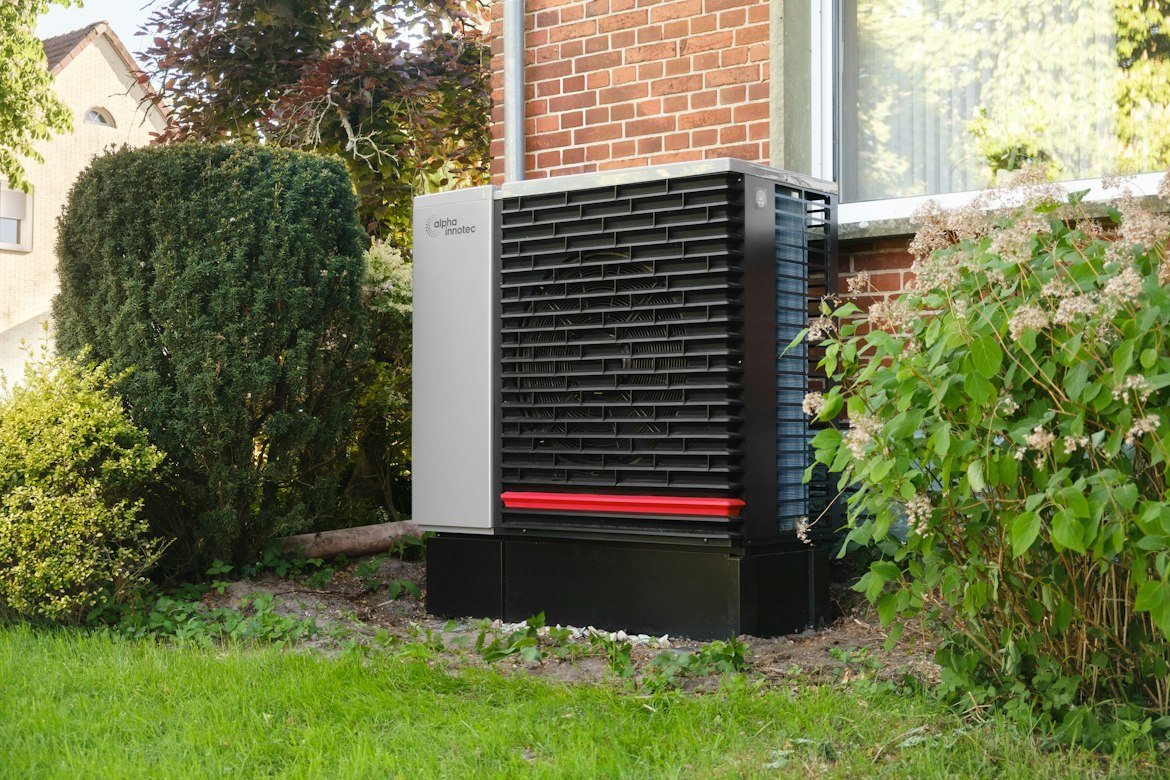
A heat pump can replace or reduce reliance on separate heating and cooling equipment, but the upfront price is often the first question homeowners ask. Heat pump incentives may help make that decision easier by reducing the cost of eligible equipment and installation. The catch is that rebates are not automatic, program rules change, and the right timing matters just as much as the equipment you choose.
For homeowners in Toronto and the GTA, a properly selected heat pump can deliver efficient cooling through humid summers and dependable heating during much of the winter. Whether an incentive makes sense for your home depends on the system, your current equipment, the property, and the requirements in effect when you apply.
How Heat Pump Incentives Usually Work
Heat pump incentives are financial programs designed to encourage homeowners to install higher-efficiency heating and cooling systems. Depending on the program, support may come as a utility rebate, a government rebate, a limited-time manufacturer offer, or financing that spreads the cost of a qualifying upgrade over manageable payments.
Most incentives are tied to specific conditions. A program may require an eligible heat pump model, professional installation, proof that an older system was replaced, energy-efficiency documentation, or a pre-installation assessment. Some require an application before work begins. Others allow you to apply after installation, but only within a defined window.
That is why choosing equipment based on a rebate headline alone can lead to disappointment. A system may be efficient and well suited to your home but not appear on a particular program’s approved list. On the other hand, a qualifying model may not be the best fit if it is undersized, oversized, or installed without addressing ductwork and electrical needs.
The best approach is to treat an incentive as part of the decision, not the entire decision. Long-term comfort, operating costs, installation quality, warranty coverage, and service support still deserve equal attention.
What Can Affect Your Eligibility
Incentive rules differ by provider and can change without much notice. Before committing to a heat pump, confirm the current requirements for your address and equipment selection. A professional estimate should help identify these details before installation is scheduled.
Eligibility often depends on four areas:
- The type of system being installed, such as a ducted central heat pump, ductless mini-split, or cold-climate model.
- The efficiency ratings and exact model numbers of the indoor and outdoor equipment.
- The condition of the home, including existing heating equipment, electrical capacity, insulation, and ductwork.
- The application process, including required assessments, invoices, photos, permits, and submission deadlines.
A heat pump is a matched system, not just an outdoor unit. The indoor air handler or coil, thermostat, controls, and sometimes backup heat all affect performance and may affect whether the installation meets program criteria. Replacing only one component to save money can create compatibility problems and may rule out certain rebates.
Homeowners should also be careful with the phrase “up to.” Incentive advertisements often show the maximum available amount, not the amount every household receives. Your actual rebate can be lower based on the equipment installed, the program category, available funding, or completed energy upgrades.
Choose the Right System Before Chasing a Rebate
A heat pump should be sized through a proper home assessment, not by copying the capacity of your old furnace or air conditioner. Older equipment is frequently oversized, especially in homes that have received window, insulation, or air-sealing improvements over the years.
An oversized heat pump may cycle on and off too often, which can reduce comfort and humidity control in summer. An undersized system may rely more heavily on supplemental heat during severe cold. The right balance depends on your home’s heat loss, layout, insulation levels, duct design, and the temperatures you expect the system to handle.
For many GTA homes, a cold-climate air-source heat pump can be an excellent option. It provides efficient cooling in summer and can supply useful heat well into winter. In some homes, it works alongside an existing furnace in a dual-fuel setup. The heat pump handles milder weather, while the furnace takes over when temperatures fall past a selected point.
This setup can be especially practical when a furnace is still in good condition and a homeowner wants to improve efficiency without replacing every part of the heating system at once. A fully electric system may be the better long-term fit for other households. There is no single answer, which is why a free in-home estimate is more useful than a generic equipment recommendation.
Do Not Start Installation Too Early
One of the most avoidable mistakes is signing an installation agreement or beginning work before checking a program’s steps. Some incentive programs require an assessment or approval before equipment is ordered. If that stage is skipped, a homeowner may lose access to funding even when the installed heat pump would otherwise qualify.
Keep every document related to the project. That includes the detailed quote, final invoice, proof of payment, model and serial numbers, warranty registration, permit records if applicable, and any assessment reports. A complete installation record makes the application process easier and also helps protect you if warranty service is needed later.
Ask direct questions before work starts: Is this exact matched system eligible under the current program? Does the application need to be submitted before installation? Who completes the paperwork? What documents will I receive? When should I expect the rebate if approved?
A reputable contractor will be clear about what they can confirm and what remains subject to program approval. No contractor should guarantee a rebate controlled by a third party, but they should be able to explain the equipment, installation scope, and documentation you need to make an informed decision.
Consider the Full Cost of Ownership
The value of a heat pump is not limited to the incentive amount. A high-efficiency installation can reduce energy use, replace an aging air conditioner, and provide more consistent comfort across seasons. Those benefits continue after a rebate is spent.
Still, savings vary. Electricity rates, natural gas costs, thermostat habits, weather, insulation, and the condition of your ductwork all influence operating expenses. A heat pump will not fix major air leaks, poor attic insulation, or rooms with inadequate airflow. Addressing those issues may improve the result more than moving up one efficiency tier.
Budget matters too. If an upgrade is urgent because your current furnace or air conditioner has failed, waiting for a future incentive program may not be realistic. In that case, compare the immediate repair cost, expected reliability of the old system, available rebates, and financing options. Qualified homeowners may be able to use 0% financing to avoid delaying a needed comfort upgrade while keeping monthly costs predictable.
Professional Installation Protects the Investment
Even the most efficient heat pump can underperform when installation details are overlooked. Correct refrigerant charge, secure electrical connections, proper condensate drainage, airflow adjustments, thermostat setup, and careful commissioning all matter. A system that is installed cleanly and tested thoroughly is more likely to deliver the comfort and efficiency you expected.
At A2Z Comfort Solutions, the focus is on matching the system to the home, explaining the practical options clearly, and completing the work with the care a major home investment deserves. That includes looking beyond the outdoor unit to the ductwork, controls, electrical requirements, and backup heating strategy.
If you are considering a heat pump, start with a professional assessment before program deadlines or equipment availability force a rushed decision. The right system, installed correctly and supported by complete paperwork, can give your home reliable comfort long after the incentive period ends.