
A furnace can sound like it is working normally while sending a steady stream of chilly air through your vents. That is frustrating on any cold morning, but the answer to “why is my furnace blowing cold air” is not always a major breakdown. Sometimes it is a thermostat setting or a clogged filter. Other times, it is a safety issue that needs professional repair before your home loses heat completely.
Start with the simple checks below, but do not ignore warning signs. If you smell gas, hear a loud bang, see soot, or a carbon monoxide alarm goes off, leave the home if necessary and call for emergency help right away.
Why Is My Furnace Blowing Cold Air?
Your furnace creates heat, then its blower moves that heat through the ductwork. Cold air can occur when the blower is running without a successful heating cycle, when heat is not reaching the air properly, or when a safety control has shut the burners down.
The pattern matters. Is the air cold all the time, or only for the first minute after the furnace starts? Does the furnace run nonstop? Does it start, stop, and try again? Those details help narrow down the cause and determine whether a quick adjustment is reasonable or a technician should inspect the system.
1. The thermostat fan is set to ON
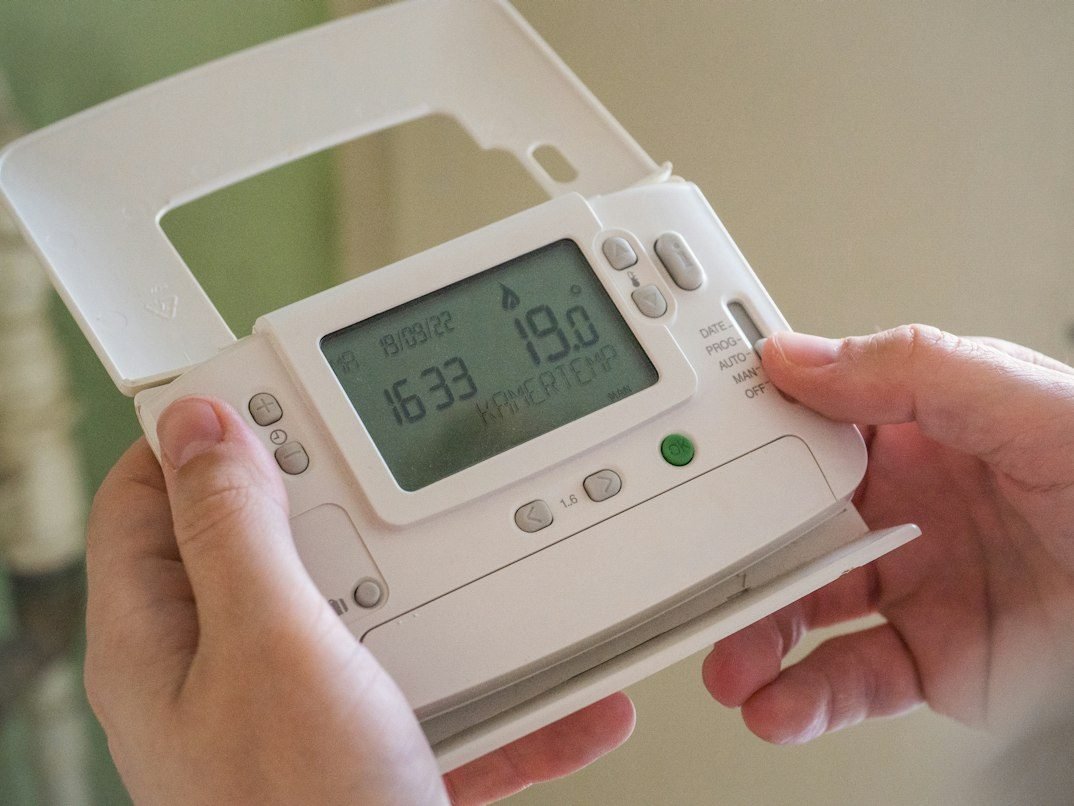
This is one of the easiest fixes. Most thermostats have a fan setting labeled ON or AUTO. When it is set to ON, the blower runs continuously, even when the furnace is not actively heating. The air may feel cool because it is simply circulating room-temperature air through the vents.
Set the fan to AUTO and raise the temperature setting a few degrees above the current room temperature. Give the furnace several minutes to begin its heating cycle. If warm air returns after the burners have had time to heat up, the furnace itself may be fine.
A short burst of cooler air at the beginning or end of a cycle can also be normal. The concern is air that stays cold after the furnace has been running for several minutes.
2. The air filter is dirty
A severely clogged air filter restricts airflow. That forces the furnace to work harder and can cause it to overheat. When that happens, a safety limit switch may shut off the burners while the blower continues running to cool the unit down. From the vent, it feels like cold air.
Check your filter if you can do so safely. If it looks gray, packed with dust, or has not been replaced in the last one to three months, replace it with the correct size and airflow rating for your system. Homes with pets, renovations, allergies, or high furnace use often need more frequent changes.
Do not assume a higher-rated filter is always better. Filters that are too restrictive for your furnace can create airflow problems of their own. When in doubt, use the filter type recommended for your equipment or ask a heating professional.
3. The furnace has not completed its startup cycle
Modern gas furnaces do not produce heat the instant the thermostat calls for it. The unit first checks safety controls, starts the draft inducer, confirms proper venting, ignites the burners, and then turns on the main blower. Depending on the system, this process can take a few minutes.
If you just changed the thermostat setting, wait briefly before deciding the furnace is blowing cold air. However, if the system repeatedly starts and stops without producing heat, it is not completing the sequence properly. That usually points to a fault that should be diagnosed rather than guessed at.
4. The pilot light or ignition system has failed
Older furnaces may use a standing pilot light. If it has gone out, the furnace cannot light its burners. Newer furnaces typically use an electronic igniter, which can wear out or fail after years of use.
You may hear the furnace attempt to start, followed by a click, but no warm air arrives. Some systems will make several ignition attempts and then lock out for safety. Avoid repeatedly turning the furnace off and on to force a restart. That can mask the real issue and may create additional wear.
A technician can test the igniter, gas valve, wiring, and control board to identify the failed part. If you have a furnace manual with manufacturer-approved instructions for relighting a pilot, follow it exactly. Never improvise around gas equipment.
5. A dirty flame sensor is shutting the burners off
A flame sensor confirms that the burners are lit. If the sensor is dirty or malfunctioning, the furnace may light for only a few seconds and then shut the gas off because it does not detect a stable flame. The blower may continue running, leaving you with cool air.
This problem often creates a recognizable pattern: the furnace starts, flames appear briefly, then the heat stops. The cycle may repeat several times.
Although cleaning a flame sensor can sound simple, it is best handled during professional maintenance. The sensor can be damaged, installed incorrectly, or mistaken for another component. More importantly, a technician can confirm whether the sensor is actually the cause instead of replacing parts unnecessarily.
6. A condensate drain or pressure switch problem is blocking operation
High-efficiency furnaces produce water condensation as they operate. That moisture drains through a small line or trap. If the drain is clogged, frozen, disconnected, or backed up, the furnace may shut down to prevent water damage or unsafe operation.
A pressure switch issue can cause a similar result. This safety component verifies that the furnace is venting combustion gases correctly. Blocked intake or exhaust pipes, venting problems, or a failing switch can prevent the burners from staying on.
These are not do-it-yourself repairs. Do not block, tape, or bypass a pressure switch. A professional inspection can determine whether the issue is drainage, venting, a control failure, or something else affecting safe combustion.
7. The gas supply is interrupted
If your gas furnace has no fuel supply, it cannot create heat. Check whether other gas appliances in the home are working, but do not handle gas valves unless you know exactly what you are doing. A shutoff valve may have been closed during service, or there may be a wider gas service interruption.
If you smell gas, do not turn lights or switches on and off, do not use a phone inside the home, and do not attempt to relight anything. Leave the area and contact your gas utility or emergency services from a safe location.
No gas smell does not automatically mean there is no problem. A furnace technician can test gas pressure and verify that the system is receiving fuel correctly.
8. The furnace is overheating or has a mechanical failure
A failing blower motor, damaged belt on an older system, bad control board, faulty limit switch, or blocked return duct can all interfere with normal heating. In some cases, the furnace will run but distribute weak, cool air. In others, it may shut down repeatedly to protect itself.
Pay attention to changes in performance. Rooms that used to heat evenly but now stay cold, unusually high utility bills, rattling noises, burning odors, or frequent cycling are all reasons to schedule service. Waiting can turn a repairable airflow or control issue into a full no-heat call during the coldest part of the season.
Safe Steps to Try Before Calling for Furnace Repair
Before booking service, check that the thermostat is set to HEAT, the fan is set to AUTO, and the temperature is above the current room temperature. Make sure the furnace power switch has not been turned off and check the electrical panel for a tripped breaker.
Next, inspect and replace the air filter if it is dirty. Confirm that supply vents and return grilles are open and unobstructed by furniture, rugs, or boxes. Then wait through one full heating cycle. These basic steps solve many comfort complaints without risking damage to the equipment.
Do not remove sealed furnace panels, touch internal wiring, clean burners, or reset a furnace repeatedly. If the unit is not producing heat after the basic checks, professional diagnosis is the safer and usually more cost-effective choice.
When Cold Air Is an Emergency
Call for urgent furnace service if your home is losing heat in freezing weather, the furnace will not stay on, or you have vulnerable household members who cannot safely wait in a cold home. Treat gas odors, visible soot, signs of scorching, headaches or dizziness, and carbon monoxide alarms as immediate safety concerns.
A working carbon monoxide detector near sleeping areas and on each level of the home is essential for any property with fuel-burning equipment. Test detectors regularly and replace them according to the manufacturer’s schedule.
A2Z Comfort Solutions can help identify the exact cause of cold air, explain the repair clearly, and restore dependable heat without unnecessary guesswork. A timely service call can protect your comfort now and help prevent a small furnace issue from becoming a midwinter breakdown.