
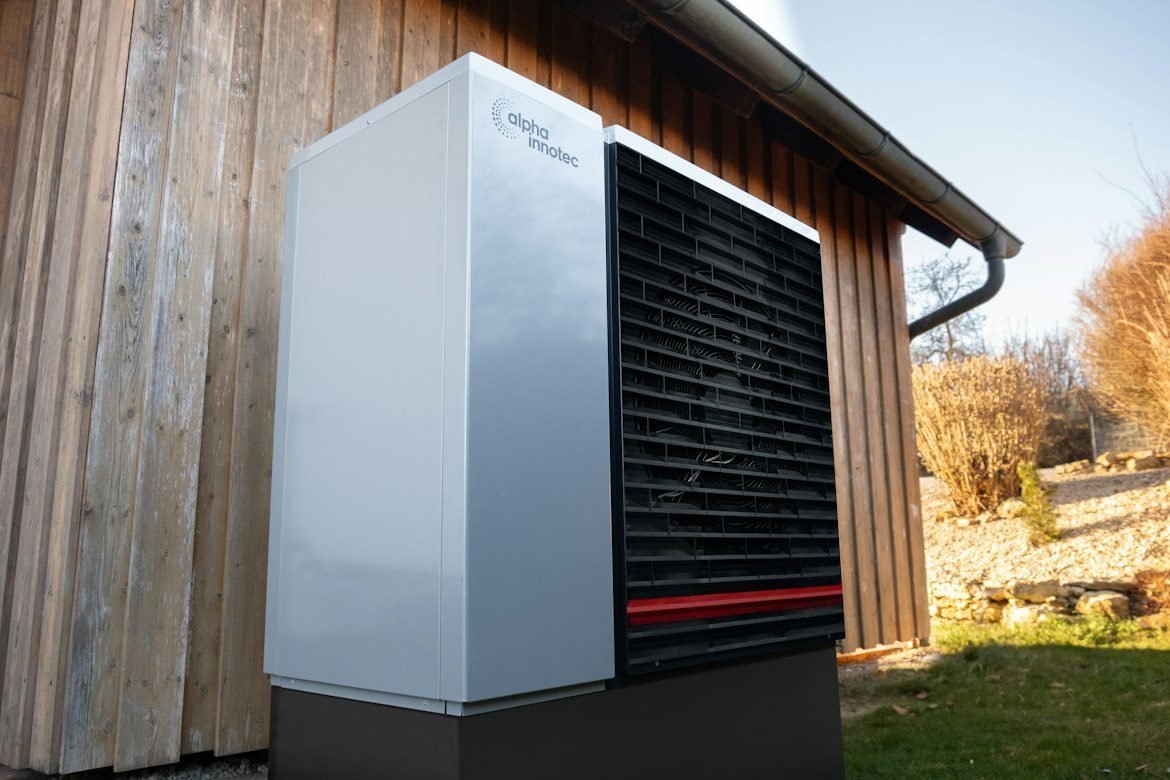
A heat pump vs air conditioner decision can affect far more than summer comfort. In a home that faces humid heat in July and freezing temperatures in January, the right system can lower operating costs, simplify maintenance, and help your family stay comfortable through every season.
At first glance, heat pumps and central air conditioners look similar. Both use an outdoor unit, indoor coil, refrigerant, and ductwork to remove heat from your home in summer. The key difference is what happens when cooling season ends: an air conditioner can only cool, while a heat pump can reverse its operation and provide heat as well.
That does not automatically make a heat pump the best choice for every property. Your existing heating equipment, insulation, electrical capacity, budget, and comfort preferences all matter.
Heat Pump vs Air Conditioner: The Core Difference
A central air conditioner moves heat out of your home. It does not create cold air. Instead, it absorbs indoor heat and releases it outdoors, leaving the air inside cooler and less humid. It works alongside a separate heating source, most often a furnace or boiler.
A heat pump performs the same cooling job in summer. In heating mode, it changes direction and draws heat from the outdoor air, then transfers that heat indoors. Even cold outdoor air contains some heat energy. Modern cold-climate heat pumps are designed to capture that energy effectively in low temperatures.
The practical difference is simple: an air conditioner is one half of a comfort system, while a heat pump can handle both heating and cooling. Many homeowners still keep a furnace with a heat pump, creating a dual-fuel system that uses the most efficient heat source for current outdoor conditions.
How Each System Performs Through the Year
Summer cooling and humidity control
For summer cooling, a properly sized heat pump and a properly sized air conditioner can deliver very similar results. Both can cool your home, remove humidity, and circulate conditioned air through your ducts.
Installation quality matters as much as the equipment label. An oversized system may cool the home too quickly, shutting off before it removes enough moisture. That can leave rooms cool but clammy. An undersized system may run constantly during a heat wave and still struggle to maintain the temperature you want.
A professional load calculation helps determine the right capacity for the home, rather than simply replacing your current unit with the same size.
Winter heating in colder climates
This is where the comparison requires more care. A heat pump can provide highly efficient heat during mild and moderately cold weather because it moves heat instead of generating it through combustion. In many homes, this can reduce reliance on a gas furnace during spring, fall, and much of the winter.
As temperatures fall, a heat pump has less available outdoor heat to collect and may require more electricity to maintain output. Cold-climate models can operate at very low temperatures, but their capacity and efficiency vary by model and by installation conditions.
For homes in Toronto and the GTA, a heat pump paired with an existing high-efficiency furnace is often an appealing option. The heat pump can manage cooling and provide efficient heat when conditions are favorable. The furnace can take over during extreme cold, when it may be the more reliable or economical choice. The best changeover temperature depends on electricity rates, gas costs, equipment efficiency, and your household’s comfort needs.
Upfront Cost and Long-Term Operating Cost
A central air conditioner usually costs less to purchase and install when your home already has a dependable furnace. If the furnace is newer, efficient, and in good condition, replacing only an aging air conditioner can be a practical and cost-conscious decision.
A heat pump often has a higher upfront cost because it provides both heating and cooling capability. However, the long-term value can be stronger when it reduces furnace runtime, replaces electric resistance heating, or allows you to retire older equipment. Available rebates, financing options, and local energy prices can also change the math.
It is better to compare projected annual operating costs than to focus only on the initial price. A lower-cost system that consumes significantly more energy over 12 to 15 years may not be the better investment. On the other hand, the most advanced heat pump is not automatically the right purchase if your heating system, electrical panel, or ductwork needs major upgrades to support it.
A clear estimate should account for equipment, labor, required electrical work, thermostat controls, duct modifications, and the condition of your existing furnace. That gives you a more realistic picture of your total cost.
Efficiency Ratings That Actually Matter
Cooling efficiency is commonly measured by SEER2, which reflects how efficiently the system operates over a typical cooling season. Higher ratings generally mean lower electricity use, although the expected savings depend on how much you use the system and how well your home retains conditioned air.
For heat pumps, look at both cooling efficiency and heating performance. HSPF2 measures seasonal heating efficiency, while the unit’s published heating capacity at lower outdoor temperatures shows how well it can support your home during winter.
These ratings are useful, but they should not be the only deciding factor. A very high-efficiency system may have a longer payback period than a mid-range model, especially in a smaller home or a property with limited heating and cooling use. The best system is one that is correctly sized, professionally installed, and appropriate for your actual comfort goals.
When an Air Conditioner Is the Better Choice
An air conditioner remains a strong choice in several situations. If you have a newer high-efficiency furnace that you plan to keep for many years, adding or replacing a central AC unit may provide the cooling upgrade you need without changing your heating strategy.
It can also make sense when your main goal is reliable summer cooling at the lowest upfront investment. Homeowners who prefer gas heat during winter, have a furnace with plenty of service life remaining, or do not want to make electrical upgrades may find that a new air conditioner is the straightforward solution.
This option is not a compromise when it is matched to the home correctly. A quality air conditioner, installed with a compatible furnace and properly configured thermostat, can provide excellent comfort for many summers.
When a Heat Pump Is the Better Choice
A heat pump deserves close consideration if your air conditioner is near the end of its life and you want to reduce gas use without giving up dependable winter heat. It is especially useful for homes that currently use electric baseboards, electric furnaces, or older, less efficient heating equipment.
It can also be a smart fit for homeowners planning a long-term renovation or energy upgrade. Better attic insulation, air sealing, window improvements, and duct repairs can reduce heating demand, helping a heat pump perform more effectively and lowering overall utility costs.
For many households, a dual-fuel setup offers the most balanced approach. You gain efficient cooling and shoulder-season heating from the heat pump while retaining furnace backup for the coldest days. This setup is not necessary in every home, but it gives homeowners flexibility when weather and energy prices change.
Installation Quality Makes the Difference
A premium system installed poorly can disappoint. Refrigerant levels, airflow, duct condition, drain setup, outdoor unit placement, electrical connections, and thermostat programming all affect performance. Small errors can reduce efficiency, increase noise, create uneven temperatures, and shorten equipment life.
Before recommending a system, a qualified HVAC professional should assess your home rather than offer a one-size-fits-all answer. That includes reviewing the size and layout of the property, insulation levels, existing equipment, ductwork, electrical service, and rooms that are consistently too hot or too cold.
A2Z Comfort Solutions helps homeowners compare these options in plain language, with recommendations based on comfort, budget, and the demands of the home – not just the most expensive equipment available.
Maintenance Expectations
Both systems need regular maintenance. Replace or clean filters as recommended, keep the outdoor unit free of leaves and debris, and schedule professional service before peak season. With a heat pump, annual maintenance is particularly valuable because the same equipment works through both summer and winter.
Do not ignore changes in performance. Weak airflow, ice buildup, unusual sounds, rising energy bills, or rooms that no longer reach the thermostat setting can point to a problem that is less expensive to correct early.
The right choice starts with an honest assessment of your home. If you want dependable cooling with the lowest initial cost, a central air conditioner may be exactly what you need. If you want one system that can cool, heat efficiently, and work alongside your furnace during winter, a heat pump may offer better year-round value. A professional in-home evaluation can turn that choice from a guess into a comfort plan built for your home.