
A furnace failure rarely happens at a convenient time. It is usually early in the morning, during a cold snap, or just as your household is settling in for the night. When you need furnace repair Toronto homeowners can rely on, the priority is simple: restore safe, dependable heat without guessing at the problem or paying for work you do not need.
Some heating issues have an easy fix, such as a tripped breaker or a clogged filter. Others point to a component that needs professional attention. Knowing the difference can help you act quickly, protect your home, and make a better decision about repair versus replacement.
When Furnace Repair Toronto Calls Cannot Wait
No heat during winter is more than an inconvenience. Indoor temperatures can drop quickly, pipes in vulnerable areas can freeze, and a small furnace problem can become a larger repair if the system continues trying to run. If the furnace is blowing cold air, repeatedly shutting down, making unusual noises, or producing a burning or gas-like odor, arrange service as soon as possible.
Certain situations require immediate safety steps before any repair begins. If you smell natural gas or suspect a gas leak, leave the property, avoid switches and open flames, and contact your gas utility or emergency services from a safe location. If a carbon monoxide alarm sounds, get everyone outside immediately and call emergency services. Never reset the alarm and assume the issue is resolved.
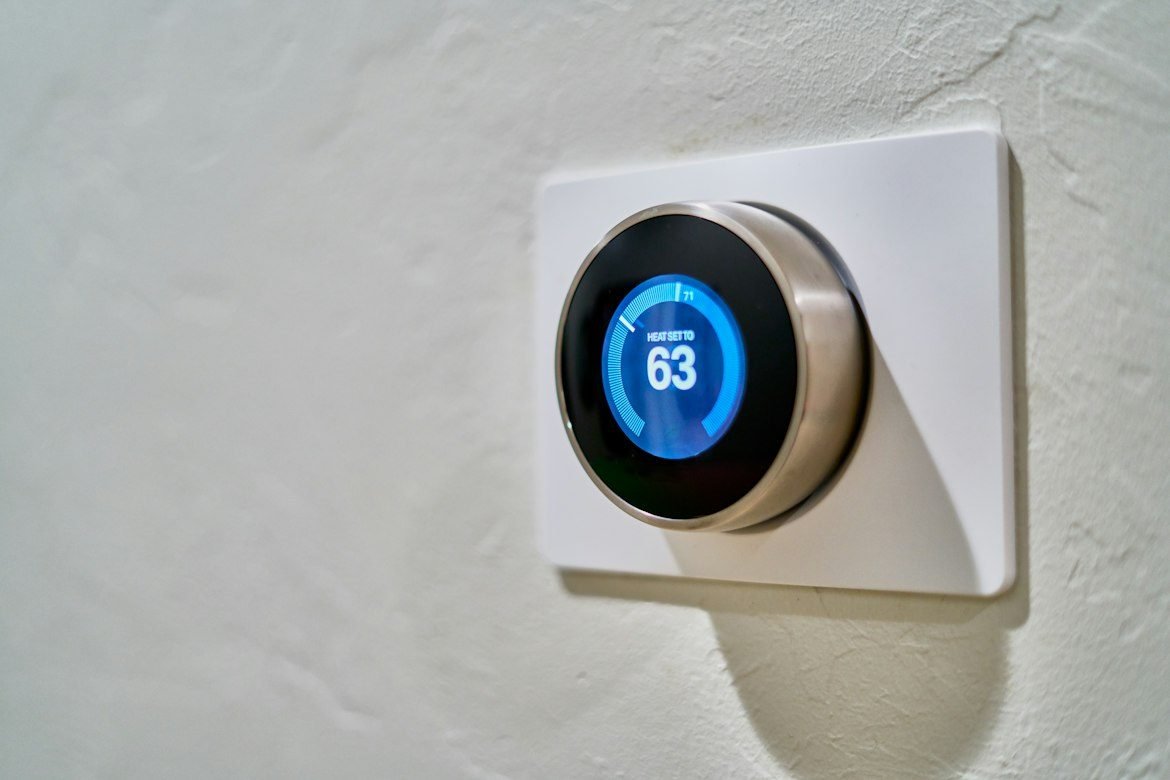
A furnace that will not start is urgent, but it is not always dangerous. Before calling for service, check that the thermostat is set to Heat and the temperature is set above the current room temperature. Confirm the furnace switch is on, inspect the electrical panel for a tripped breaker, and make sure exterior intake and exhaust pipes are clear of snow, ice, leaves, or debris. These simple checks can save time, but they should never involve removing furnace panels or handling gas connections.
Signs Your Furnace Needs Professional Attention
Heating systems often give warning signs before they stop working completely. Paying attention to changes in performance can allow you to schedule a repair before a midwinter breakdown.
Common signs include:
- Cold air coming from supply vents or uneven temperatures between rooms
- Frequent cycling, where the furnace turns on and off every few minutes
- Banging, squealing, rattling, grinding, or booming sounds during startup or operation
- Higher energy bills without a clear change in how the home is being used
- A yellow burner flame instead of a steady blue flame on a gas furnace
- Excessive dust, dry air, stale odors, or a filter that becomes dirty unusually fast
Not every symptom means the furnace is near the end of its life. Short cycling, for example, may be caused by a dirty filter, blocked airflow, an overheating limit switch, thermostat trouble, or an oversized system. A trained technician should test the equipment rather than replace parts based on a symptom alone.
Cold Air From the Vents
When a furnace runs but blows cool air, the cause may be as simple as the thermostat fan setting being switched from Auto to On. With the fan set to On, it can circulate air between heating cycles, which may feel cold at the vents.
If the setting is correct, the problem could involve ignition, fuel supply, a flame sensor, a pressure switch, or overheating protection. Modern high-efficiency furnaces shut down to prevent unsafe operation when they detect certain faults. That safety feature is doing its job, but the underlying issue still needs to be diagnosed.
Strange Noises Are Worth Investigating
A brief sound at startup can be normal, especially in older equipment. Repeated or loud sounds are different. A squeal can point to a blower motor or belt issue. Rattling may come from loose panels, ductwork, or internal components. Grinding can indicate worn motor bearings.
A boom or delayed ignition sound should be addressed promptly. It can occur when gas builds up before ignition, creating a more forceful ignition than normal. Do not ignore it or try to clean burners yourself.
What a Professional Furnace Repair Visit Should Include
A proper repair starts with diagnosis, not a quick part swap. The technician should listen to the symptoms, inspect the furnace, check safety controls, and test how the system operates through a complete heating cycle. For a gas furnace, this may include examining ignition and flame-sensing components, venting, condensate drainage on high-efficiency units, gas pressure, electrical connections, airflow, and the blower assembly.
You should receive a clear explanation of what failed, why it likely failed, and what the repair involves. If more than one option is available, such as repairing an aging part or replacing a system that has become unreliable, the trade-offs should be straightforward. A good recommendation accounts for the furnace’s age, condition, efficiency, repair history, and the needs of the home.
Clean work matters as well. Furnace service can involve dust, insulation, and access to mechanical areas. Professional technicians should protect the work area, leave it tidy, and confirm that the system is heating correctly before they leave.
Repair or Replace: How to Make the Right Call
There is no single age at which every furnace should be replaced. Many well-maintained units can operate for 15 to 20 years, while neglected systems may develop costly problems sooner. The right decision depends on the full picture.
Repair is often the practical choice when the furnace is under 10 years old, the issue is isolated, replacement parts are readily available, and the system has otherwise heated reliably. A repair can also make sense for an older furnace if the cost is modest and you need time to plan a future upgrade.
Replacement deserves serious consideration when repairs are frequent, the heat exchanger is cracked, major components have failed, or the furnace is nearing the end of its expected service life. An older, inefficient system may also cost more to operate than homeowners realize. A new high-efficiency furnace can reduce energy use, improve temperature consistency, and offer better control when it is properly sized and installed.
The lowest upfront price is not always the lowest long-term cost. An undersized furnace may struggle to keep up in cold weather, while an oversized unit can cycle too often and create uneven comfort. Proper load calculations, ductwork condition, insulation levels, and household preferences all affect the right equipment choice.
For a major replacement, ask about available financing options and get a written estimate that clearly separates equipment, installation, and any recommended duct or venting work. This makes it easier to compare value instead of focusing only on the initial price.
Preventing the Next Furnace Breakdown
Annual maintenance is one of the best ways to reduce surprise repairs. A technician can catch worn electrical connections, drainage problems, weak ignition components, airflow restrictions, and combustion issues before they lead to a no-heat call. Maintenance also helps keep the manufacturer warranty requirements on track where applicable.
Between visits, replace or clean the furnace filter on schedule. The right interval depends on the filter type, pets, allergies, renovation dust, and how often the system runs. A visibly loaded filter should be changed sooner. Keep supply vents and return grilles open and unobstructed, and avoid storing items around the furnace that could restrict airflow or create a fire risk.
If your home has dry winter air, a whole-home humidifier may improve comfort at a lower thermostat setting. It must be maintained properly, however. A neglected humidifier can create mineral buildup, water leaks, or indoor air quality concerns. Home comfort systems work best when heating, airflow, humidity, and ventilation are treated as connected parts of the home.
Fast Help When the Heat Is Off
When your furnace stops working, waiting for the problem to disappear is rarely a good strategy. Use safe temporary measures, keep interior doors open to share available warmth, and protect exposed plumbing in colder areas of the home. Do not use an oven or stove to heat the house, and use portable heaters only according to their safety instructions.
A2Z Comfort Solutions provides professional heating service for homeowners and property managers who need clear answers, responsive support, and dependable workmanship. Whether the issue is a failed ignition system, poor airflow, a noisy blower, or a furnace that has reached the end of its useful life, the goal should be safe heat and a solution that fits your home and budget.
If your furnace is showing warning signs today, book service before a minor performance issue becomes a cold night, a frozen pipe, or an emergency repair.