
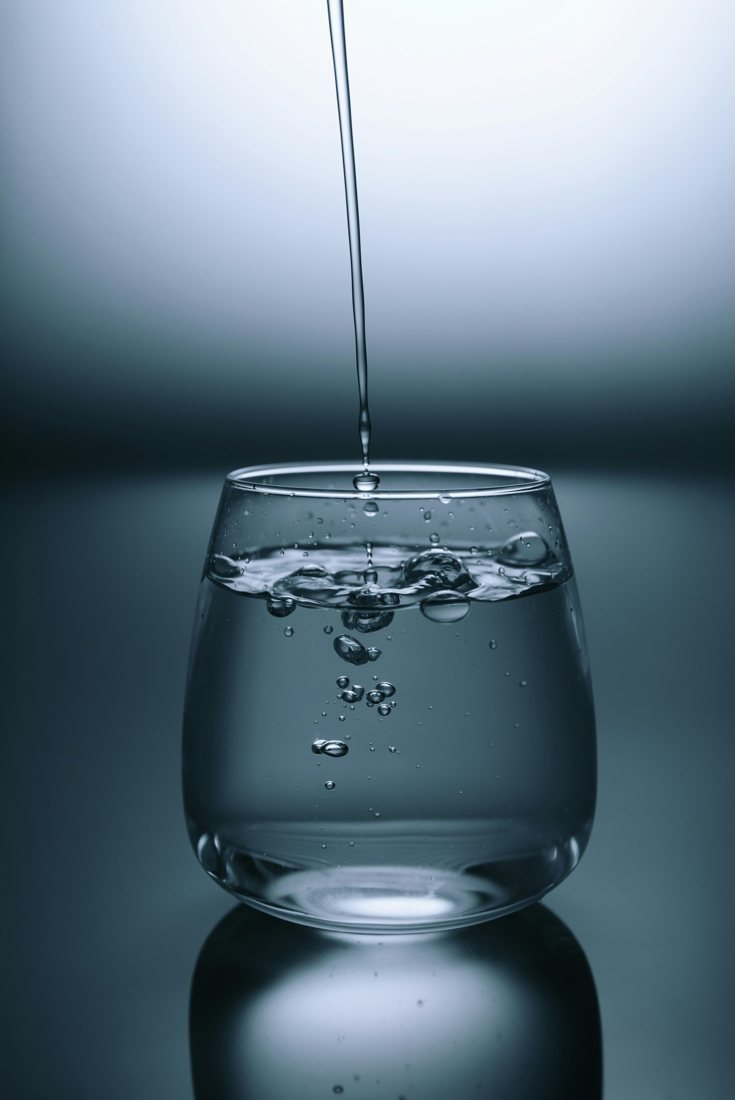
A glass of water can look perfectly clear and still carry dissolved minerals, chlorine byproducts, or contaminants you would rather not have in your drinking water. This reverse osmosis system buying guide explains what to look for before you buy, so you can choose a system that fits your household, water quality, and budget without paying for features you do not need.
Reverse osmosis, often called RO, is one of the most thorough point-of-use filtration methods available for homes. It is usually installed beneath the kitchen sink and sends filtered water to a dedicated faucet. Some homeowners also connect it to a refrigerator ice maker or coffee station. The right system can improve the taste of drinking water and reduce a wide range of dissolved substances, but performance depends on proper sizing, installation, and maintenance.
Start With Your Water, Not the Product Box
The best reverse osmosis system is not automatically the one with the most stages or the biggest price tag. Start by identifying what is in your water and what you want to improve.
Municipal water is generally treated before it reaches your home, but its taste, chlorine level, hardness, and dissolved solids can vary by neighborhood and season. If you use well water, testing is even more important because private wells may have issues with sediment, iron, bacteria, sulfur odor, or other contaminants that require treatment before water reaches an RO membrane.
A basic water test can help identify total dissolved solids, hardness, pH, and specific concerns such as lead. If you are concerned about a particular contaminant, choose a system certified or independently tested for that reduction claim. Do not assume every RO unit addresses every water-quality issue in the same way.
Know What RO Does Well
An RO membrane uses pressure to push water through an extremely fine barrier. It can reduce many dissolved substances, including certain salts, metals, and minerals. Most home systems also include carbon filters that improve taste and reduce chlorine, which can damage the RO membrane over time.
RO is often a strong choice when your drinking water has an unpleasant taste, elevated dissolved solids, or a contaminant concern supported by water testing. It is not a replacement for addressing a serious whole-home water problem at the source. For example, heavy sediment, very hard water, iron, or bacterial contamination may require pre-treatment, a water softener, UV treatment, or another solution before an RO system can operate reliably.
Choose the Right Reverse Osmosis System Design
The main decision is usually between a conventional tank system and a tankless model. Both can provide high-quality drinking water, but their daily use and installation needs are different.
Traditional Tank Systems
A conventional RO system slowly filters water and stores it in a pressurized tank. When you open the dedicated faucet, the stored water is ready to dispense. These units are widely used, generally affordable, and dependable for typical household drinking and cooking needs.
The trade-off is cabinet space. The filters, membrane, and storage tank take up room under the sink, and water flow can slow as the tank empties. For many families, that is a reasonable compromise for a practical, cost-effective system.
Tankless RO Systems
Tankless units filter water on demand and typically deliver faster flow at the faucet. They save under-sink space and are convenient for households that fill large bottles, cook often, or want a cleaner cabinet layout.
They usually cost more upfront and often require electricity. Some models also require a larger opening for their dedicated faucet or more careful planning around drain and power connections. A tankless system can be an excellent upgrade, but it is worth confirming that the added flow rate and compact design justify the higher purchase price.
Look Beyond the Number of Filtration Stages
A system advertised as having six, seven, or even more stages may sound better than a five-stage unit, but stage count alone does not tell you much. What matters is what each stage does and whether it is useful for your water.
Most quality systems include a sediment pre-filter, one or more carbon pre-filters, the RO membrane, and a post-filter. The sediment filter protects the system from dirt and particles. Carbon filters reduce chlorine and improve taste. The membrane performs the primary dissolved-solids reduction. A final carbon filter can give the water a fresher taste before it reaches the faucet.
Some systems add remineralization. Because RO removes many dissolved minerals, filtered water can taste lighter or flatter than untreated water. A remineralization filter adds a controlled amount of minerals back after filtration to improve taste. This is largely a preference decision, not a requirement for every home.
Avoid paying extra for vague claims or filters with unclear replacement schedules. Clear performance specifications, readily available replacement cartridges, and dependable service matter more than a long list of marketing features.
Size Capacity for Your Household
RO systems are rated by how much water they can produce in a day, often measured in gallons per day. A standard system may be more than adequate for drinking, cooking, pet bowls, and ice. Larger households, frequent entertainers, or homes with refrigerator connections may benefit from a higher-capacity unit.
Think about when demand happens. If several people fill bottles in the morning, make coffee, and use ice throughout the day, a small tank or low-production system can feel limiting. Tankless systems are often a good fit for higher demand, while a properly sized tank system works well when use is spread throughout the day.
Water pressure affects production. Low incoming pressure can reduce the amount of filtered water an RO membrane makes and may increase wastewater. Some systems include a booster pump, which can help in homes with low pressure but adds another component that needs power and occasional service.
Pay Attention to Water Waste and Efficiency
Every reverse osmosis system produces some wastewater as it flushes concentrated dissolved solids away from the membrane. Older or basic systems may send several gallons to the drain for every gallon of filtered water produced. More efficient designs use improved membranes, pumps, or recirculation features to reduce that ratio.
Efficiency matters, but it should not be the only deciding factor. A system that uses less water but has costly proprietary filters or does not meet your household’s flow needs may not be the best overall value. Ask about the system’s wastewater ratio, filter costs, expected membrane life, and whether the unit can operate properly with your home’s water pressure.
Plan for Installation Before You Buy
Under-sink RO systems need more than a place to sit. They require a cold-water supply connection, a drain connection, enough room for filter changes, and a dedicated dispensing faucet. Tankless units may also need a nearby electrical outlet.
A professional installation helps prevent common problems such as leaks, poor drain routing, loose fittings, reduced flow, or a faucet that does not fit your countertop. It also gives the installer a chance to inspect the condition of your shutoff valve, supply lines, and existing plumbing before connecting a new system.
If your home has hard water, a water softener installed ahead of the RO system may protect the membrane and extend its service life. This is one reason it helps to look at your home’s full water setup instead of treating the RO unit as a stand-alone purchase.
Budget for Ownership, Not Just the Initial Price
An RO system is a serviceable appliance, not a one-time purchase. Pre-filters and post-filters commonly need replacement every six to 12 months, depending on water quality and usage. RO membranes usually last longer, often two to three years or more, but their life can shorten when water is heavily chlorinated, hard, or sediment-filled.
Before choosing a unit, confirm the price and availability of every replacement filter. Proprietary filter sets can be convenient, especially when they are quick to change, but they may cost more over time. Standard-size cartridges may offer more flexibility, although changing them can take more effort.
A lower-priced system is not always less expensive in the long run. Consider the installed cost, annual filter cost, membrane replacement cost, expected water waste, warranty coverage, and whether qualified local service is available if something needs attention.
When a Reverse Osmosis System Is Not Enough
RO is designed primarily for drinking and cooking water at one faucet. It does not soften all the water used in showers, laundry, dishwashers, and plumbing fixtures. If white scale is building up on faucets or appliances, a whole-home water softener may be the better first step.
Likewise, a strong rotten-egg smell, visible sediment, recurring staining, or well-water bacteria concerns call for a broader water treatment assessment. Installing RO without addressing those issues can lead to frequent clogs, poor membrane performance, and unnecessary replacement costs.
For homeowners who want a clear recommendation and professional installation, A2Z Comfort Solutions can assess your water needs and help match the system to your home. The goal should be reliable drinking water, clean installation work, and a maintenance plan you can realistically keep up with.
The best time to choose an RO system is before frustration turns into an emergency purchase. Test the water, compare lifetime costs, and select equipment that fits how your household actually uses water. A properly chosen system should make every glass, pot of coffee, and tray of ice feel like a simple upgrade you notice every day.