
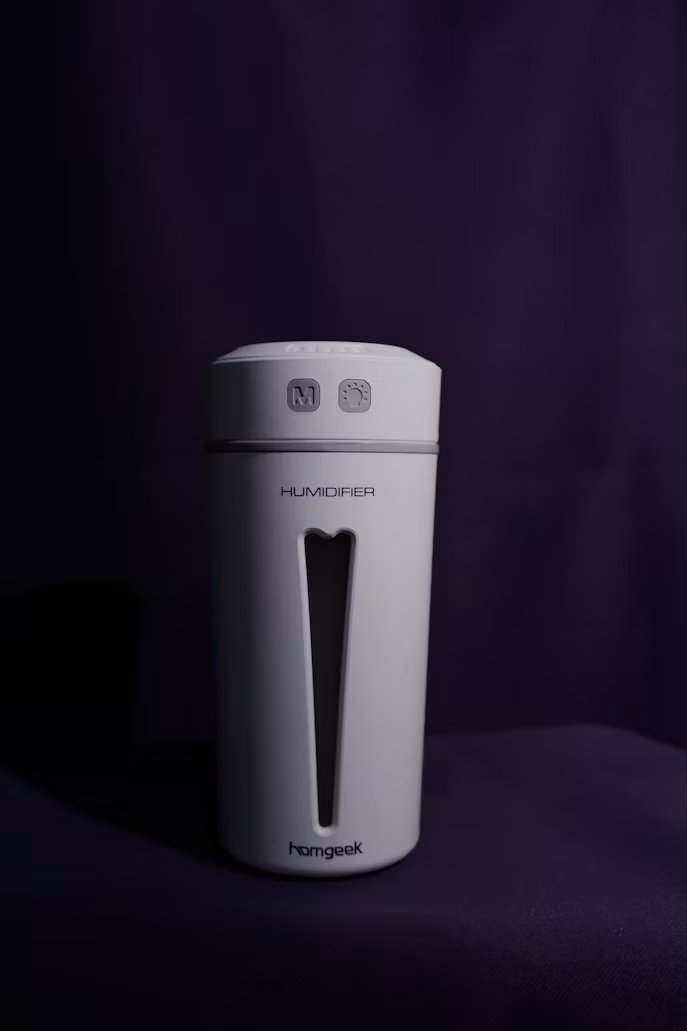
A furnace can keep your house warm while still leaving the air uncomfortably dry. If your family is waking up with scratchy throats, dry skin, static shocks, or frequent nosebleeds, finding the best home humidifier for winter can make a noticeable difference. The right choice is not always the biggest portable unit on the shelf. It depends on your home’s size, heating system, insulation, water quality, and how much daily maintenance you are prepared to handle.
For many homeowners, winter humidity is a whole-house comfort issue. Heated indoor air holds more moisture, while cold outdoor air brings very little moisture inside. The result can be dry air in every bedroom, not just one room. A properly selected humidifier helps bring indoor relative humidity back to a more comfortable range without creating window condensation, mold risk, or unnecessary operating costs.
What Humidity Level Is Best in Winter?
Most homes feel comfortable at about 30% to 50% relative humidity. During very cold weather, the practical target is often closer to 30% to 40%. That lower range helps protect comfort while reducing the chance of moisture collecting on cold windows, exterior walls, and attic surfaces.
A small digital hygrometer is the best place to start. It gives you a real reading instead of guessing based on dry hands or static electricity. If the humidity is consistently below 30%, a humidifier may help. If it is above 50%, adding moisture is usually the wrong move. Excess humidity can encourage mold growth, dust mites, and condensation damage.
The best setting also changes with outdoor temperatures and the construction of your home. Older homes with drafty windows may need a lower setting during a deep freeze. A newer, well-sealed home may hold humidity more easily. If you see persistent condensation on windows, reduce the humidifier setting and make sure bathroom and kitchen exhaust fans are working properly.
The Best Home Humidifier for Winter Depends on Coverage
There are excellent humidifiers in several categories, but they solve different problems. A portable unit can be a practical fix for a dry bedroom. A central humidifier is usually the better investment when dry air affects the entire house.
1. Bypass whole-home humidifiers
A bypass humidifier is installed alongside a forced-air furnace. It uses the furnace blower and warm supply air to move moisture through a water panel and distribute it through the ductwork. For many average-sized homes, it is a dependable, affordable whole-home option.
Its main advantage is simplicity. There is no tank to refill every day, and it can humidify multiple rooms at once. The trade-off is that it generally relies on the heating system running and may have less output than other central options. It is often a strong fit for homeowners who want reliable humidity control without the higher upfront cost of steam equipment.
2. Fan-powered whole-home humidifiers
Fan-powered models also connect to the furnace ductwork, but they use an internal fan to push air through the water panel. This can provide more moisture output than a bypass unit and offers more flexibility in tight installation areas.
These systems are a good middle ground for larger homes, homes with higher ceilings, or households that find a basic bypass unit cannot keep up during the coldest weeks of winter. They do use a small amount of electricity, and the water panel still needs seasonal replacement. For many homes, though, that maintenance is straightforward and worthwhile.
3. Steam whole-home humidifiers
If you want the highest level of humidity output and control, a steam humidifier is often the best home humidifier for winter. It creates steam electrically and sends it into the duct system, allowing it to add moisture even when the furnace is not actively heating.
Steam systems are particularly useful for large homes, tightly sealed homes, properties with hardwood floors, or households where dry air is a persistent concern. They cost more to install and operate than evaporative central humidifiers, and regular professional maintenance is important. Still, when a home has demanding humidity needs, steam offers performance that smaller systems may not match.
4. Evaporative portable humidifiers
An evaporative portable humidifier uses a fan to pull air through a wet wick or filter. It is a practical choice for one bedroom, nursery, home office, or other contained space. Because moisture is released through evaporation, these units are less likely than some alternatives to over-humidify a small room.
The limitation is coverage. A portable unit in the living room will not solve dry air in upstairs bedrooms or throughout the duct system. It also requires frequent refilling, cleaning, and filter changes. It works best as a room-specific solution, not a replacement for a whole-home system.
5. Ultrasonic portable humidifiers
Ultrasonic humidifiers use vibration to create a fine cool mist. They are quiet, compact, and popular for bedrooms because they can run overnight without much noise. Some models offer warm-mist settings as well.
Their biggest drawback is maintenance discipline. If the tank is not cleaned regularly, microorganisms can build up and be released into the air. Minerals in tap water can also create white dust on furniture. Using distilled water can reduce that issue, but it increases ongoing cost. Choose an ultrasonic unit when quiet operation matters most and you are comfortable with regular cleaning.
How to Choose the Right Size Humidifier
Humidifier capacity should match the area you are trying to treat. For a portable unit, measure the square footage of the room, then choose a model rated for at least that coverage. Do not rely on a large unit to humidify several closed-off rooms. Doors, airflow, ceiling height, and insulation all affect real-world performance.
For a whole-home system, the calculation is more involved. A professional should consider your home’s square footage, ceiling heights, insulation, window condition, air leakage, furnace capacity, and duct layout. A unit that is too small may run constantly without reaching the desired humidity level. One that is oversized or poorly controlled can add too much moisture and create condensation concerns.
Water quality matters, too. Hard water can leave mineral deposits on humidifier components, especially water panels and steam canisters. Homeowners with known hard-water issues may benefit from discussing water treatment and humidifier maintenance together. Keeping the water side of the system clean protects performance and extends equipment life.
Features That Actually Matter
A built-in humidistat is one of the most valuable features in any humidifier. It measures relative humidity and helps the system maintain a set target rather than running continuously. For central equipment, an automatic humidistat that responds to outdoor temperature can be especially helpful during fluctuating winter conditions.
Easy maintenance should be a deciding factor, not an afterthought. Look for accessible water panels, drain connections where appropriate, and controls that are simple to understand. A humidifier only improves air quality and comfort when it is kept clean. A neglected unit can develop mineral buildup, lose output, or create unpleasant odors.
For portable units, tank size, noise level, and shutoff controls matter. A larger tank means fewer refills, but a tank that is difficult to lift and clean may become frustrating. For central units, professional installation quality matters more than extra features. The unit needs correct water supply connections, drainage, duct integration, and calibrated controls.
Maintenance Is Part of the Purchase Decision
Every humidifier needs care. Portable tanks should be emptied, rinsed, and dried regularly, with a more thorough cleaning completed according to the manufacturer’s instructions. Do not let standing water sit for long periods. Replace wicks and filters on schedule, especially during heavy winter use.
Whole-home humidifiers typically need an annual service visit before or during heating season. This usually includes checking the water panel or steam canister, cleaning mineral buildup, inspecting the drain, confirming the humidistat setting, and verifying that the unit turns on and off properly. If your humidifier is connected to your furnace, it makes sense to service both systems at the same time.
You should also turn down the humidifier if you notice fogged windows, damp window frames, peeling paint near exterior walls, or a musty smell. More humidity is not always better. The goal is balanced indoor air that feels comfortable and protects your home.
When a Whole-Home Humidifier Is Worth It
A central humidifier is often worth considering when dry-air symptoms appear throughout the home, several portable units are being used at once, or you are tired of carrying water tanks every day. It can also help maintain stable conditions for hardwood flooring, wood furniture, musical instruments, and other materials that can shrink or crack in very dry air.
Portable humidifiers still have a place. They are useful for a single dry bedroom, a child’s room, or a temporary comfort need. But for consistent winter comfort across multiple floors, whole-home equipment is generally the cleaner and more convenient solution.
A professional assessment can help you avoid buying based on room-size claims alone. A2Z Comfort Solutions can evaluate your heating system, ductwork, and home humidity needs to recommend an option that fits your space and budget. The right humidifier should work quietly in the background, leaving your home warmer-feeling, more comfortable, and easier to enjoy through the coldest part of winter.