
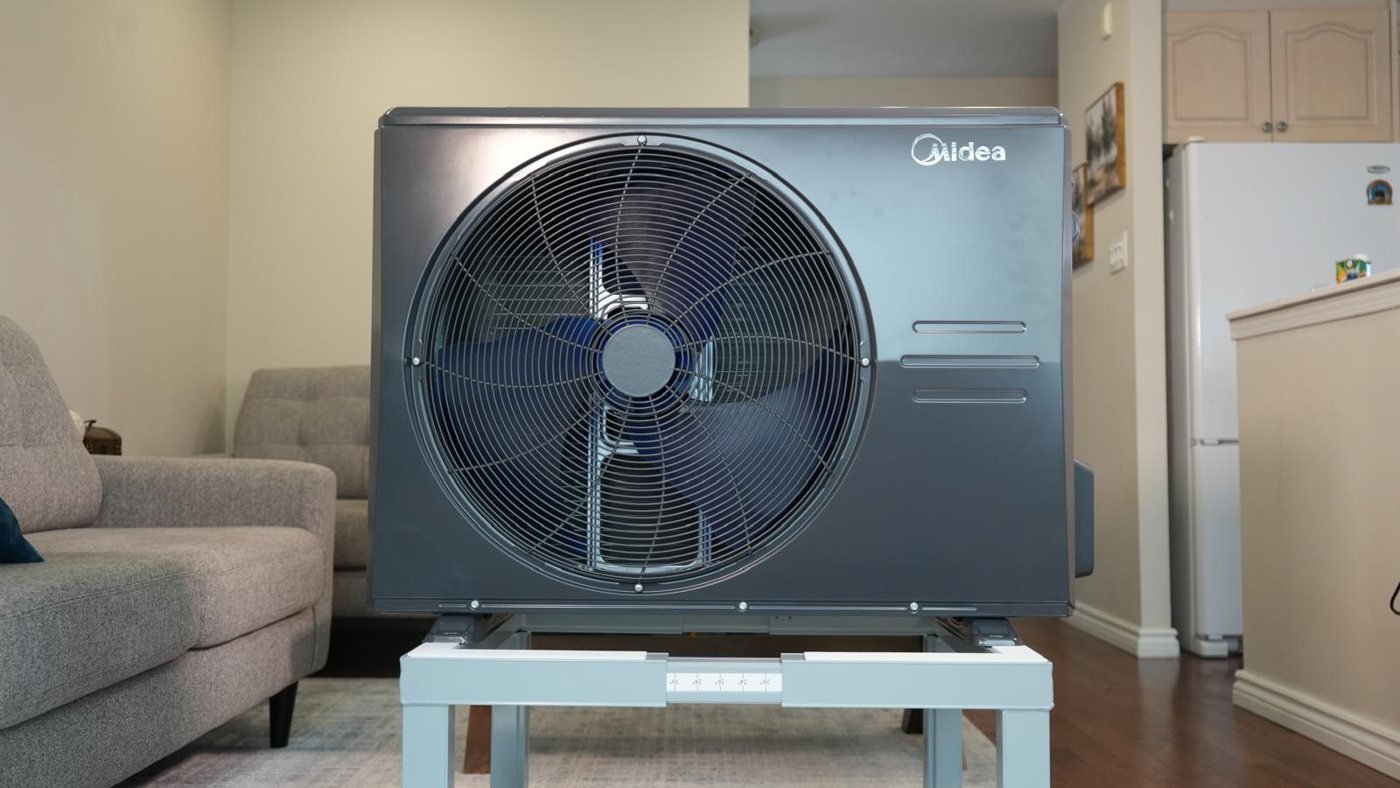
A heat pump installation Georgetown homeowners feel good about starts long before new equipment arrives. It starts with an honest look at the home: how it loses heat, how the existing ductwork performs, whether the electrical system is ready, and what comfort problems need to be fixed. A properly selected system can provide efficient cooling through humid summers and dependable warmth through cold Ontario winters. A rushed installation can leave even premium equipment struggling.
For homeowners replacing an aging furnace and air conditioner, building an addition, or trying to reduce energy use, a heat pump can be a smart all-season upgrade. The key is treating it as a complete comfort system rather than an appliance swap.
Why Heat Pump Installation in Georgetown Requires Planning
A heat pump moves heat instead of creating it through combustion. In cooling mode, it pulls heat out of the home much like a central air conditioner. In heating mode, it captures available heat from outdoor air and brings it indoors. Modern cold-climate equipment can operate efficiently in much lower temperatures than older heat pump designs.
That does not mean every home needs the same system or that a heat pump must work alone. Some Georgetown homes are excellent candidates for a fully electric heat pump system. Others benefit from a dual-fuel setup that pairs a heat pump with a furnace for backup heat during the coldest periods. The best choice depends on insulation, ductwork, household preferences, electrical capacity, and the condition of the current equipment.
A professional assessment should also consider rooms that are always too hot or too cold, uneven airflow, high utility bills, and humidity concerns. These details often reveal issues that a new outdoor unit alone will not solve.
Start With Proper System Sizing
Bigger is not automatically better. An oversized heat pump may heat and cool quickly, but it can short-cycle, create uneven temperatures, and remove less humidity in summer. A system that is too small may run constantly and struggle when outdoor temperatures drop.
Correct sizing is based on a heat-loss and heat-gain calculation, not just the square footage of the house or the capacity of the old furnace. A qualified technician should account for the home’s layout, insulation levels, window quality and orientation, ceiling heights, air leakage, basement condition, and the number of occupants.
This step matters especially in older homes, where two properties with the same square footage can have very different heating needs. If you have improved attic insulation, replaced windows, or finished a basement since the last system was installed, the old equipment size may no longer be the right benchmark.
Cold-Weather Performance Is Not a Detail
When comparing heat pumps, ask how the unit performs at lower outdoor temperatures, not only its headline efficiency rating. The system’s capacity and efficiency change as temperatures fall. Cold-climate models are designed to maintain useful heating output in winter, but performance still varies by model and installation design.
Your installer should clearly explain the planned heat source for extreme cold. In an all-electric setup, that may include electric backup heat. In a dual-fuel arrangement, the furnace can take over at a selected temperature or when it becomes the more practical option. There is no one answer for every household. The right plan balances comfort, operating costs, and your home’s existing infrastructure.
Ductwork, Electrical Work, and Placement Matter
A high-efficiency heat pump cannot compensate for leaking, undersized, or poorly balanced ductwork. Before installation, ducts should be inspected for airflow restrictions, disconnected sections, excess leakage, and rooms receiving too little conditioned air. In some homes, simple adjustments to dampers, returns, or supply runs can make a noticeable difference in comfort.
Electrical readiness is equally important. Depending on the selected equipment and whether backup electric heat is included, the home may need electrical upgrades. This should be evaluated before installation day, not discovered after the equipment has been chosen.
The outdoor unit needs a stable, level base with enough clearance for airflow and service access. Placement should consider snow accumulation, roof runoff, noise near bedrooms or neighboring homes, and the route for refrigerant lines. The indoor unit, air handler, or furnace connection also needs adequate access for future maintenance. Good installation work is thoughtful and clean, not simply fast.
What a Professional Installation Should Include
The installation day is where system design becomes real. A reliable HVAC team should protect work areas, remove old equipment safely, install and secure the new components, complete electrical and refrigerant connections, and test the system under operation.
Refrigerant piping must be correctly sized, pressure-tested, evacuated, and charged according to manufacturer specifications. Small errors in this process can reduce efficiency, affect heating output, and shorten equipment life. The thermostat also needs to be configured for the system design, especially with variable-speed equipment or dual-fuel heating.
Before the job is complete, homeowners should receive a clear walkthrough. You should know how to change filters, use the thermostat, recognize normal operating sounds, and understand when to call for service. If the system includes backup heat or a furnace, ask how the transition between heat sources is controlled.
A2Z Comfort Solutions approaches installation as a long-term comfort investment, with equipment recommendations based on the home rather than a one-size-fits-all replacement. A free estimate gives homeowners space to compare options, ask practical questions, and make a confident decision.
Costs: What Changes the Price of a Heat Pump?
Heat pump installation costs vary because the equipment is only one part of the project. Capacity, efficiency level, cold-climate capability, ductwork modifications, electrical upgrades, indoor equipment, and labor requirements can all affect the final price.
A ducted heat pump that connects to a well-maintained existing system may require less work than a project involving a new air handler, major duct repairs, or electrical panel changes. A dual-fuel system can also have different costs than a fully electric design. The lowest quote is not always the lowest long-term cost if it leaves out needed electrical work, airflow corrections, warranty registration, or commissioning.
Ask for a written estimate that explains what is included. It should identify the equipment, installation scope, required accessories, warranty details, and any work needed to prepare the home. For a major upgrade, financing options can help make a higher-efficiency system more manageable without delaying an important replacement.
Think Beyond the Purchase Price
The value of a heat pump comes from more than potential energy savings. Many homeowners also appreciate quieter operation, improved summer dehumidification, more even temperatures, and the convenience of one system handling heating and cooling.
Savings will depend on the system selected, your previous fuel source, local utility rates, thermostat habits, and the condition of the home. Be cautious of promises that claim the same savings for every property. A trustworthy recommendation explains the likely benefits while being realistic about the variables.
Protect Performance With Seasonal Maintenance
After installation, regular maintenance helps the heat pump keep delivering efficient comfort. Replace or clean filters as recommended, keep the outdoor unit clear of leaves, ice, snow buildup, and stored items, and pay attention to unusual noises or reduced airflow.
Professional maintenance can check refrigerant performance, electrical connections, condensate drainage, thermostat operation, coils, and overall system output. This is particularly valuable before heavy heating and cooling seasons. Addressing a small issue early is usually less disruptive than waiting for a breakdown during a heat wave or cold spell.
If your home has a furnace in a dual-fuel configuration, both systems need attention. The heat pump, furnace, controls, and airflow settings work together to protect comfort and efficiency.
A well-planned heat pump is not just a new piece of equipment outside the house. It is a practical way to make every room more comfortable through changing seasons, with the confidence that the system was designed for the home you live in.