
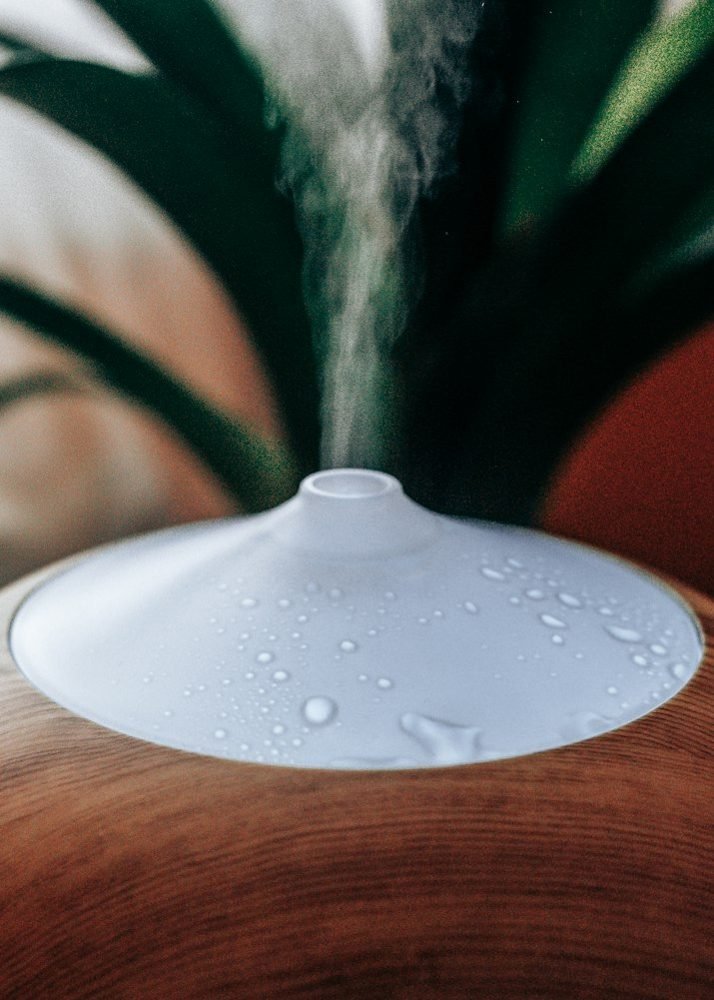
A scratchy throat at breakfast, static shocks from every doorknob, cracked lips, and a wood floor that suddenly looks gapped can all point to one issue: dry indoor air. If you have been asking, “why is my house air so dry?” the answer is often tied to how your home is heated, ventilated, and sealed during cold weather.
For homeowners in Toronto and the GTA, winter is usually the toughest season for indoor humidity. Cold outdoor air carries very little moisture. Once it enters your home and your furnace warms it up, its relative humidity drops even further. The result can be an uncomfortable house, even when the thermostat is set exactly where you want it.
Why Is My House Air So Dry in Winter?
Relative humidity measures how much moisture is in the air compared with the maximum amount that air can hold at a given temperature. Warmer air can hold more water vapor than colder air. That is why air that feels damp outdoors on a mild day can become extremely dry after it is heated indoors.
A furnace does not literally remove water from your home’s air in normal operation. The issue is that heating cold, dry air lowers its relative humidity. Every time outdoor air enters through small gaps, bathroom fans, kitchen exhaust, a fresh-air intake, or regular door use, it can add more dry air to the home.
During an Ontario cold snap, a comfortable indoor humidity setting may be lower than homeowners expect. Trying to maintain 45% or 50% humidity when it is far below freezing outside can cause condensation on windows, damp window frames, and eventually mold concerns. The right number depends on outdoor temperature, window quality, insulation, and how your home responds.
The Most Common Causes of Dry House Air
Your heating system is running more often
When the temperature drops, your furnace or heat pump works longer to maintain indoor comfort. More run time means more cold outside air may be drawn into the home through normal ventilation and leakage. It also means the dry-air effect is more noticeable because the indoor temperature remains higher.
Older homes can feel especially dry because air leaks around attic hatches, plumbing penetrations, recessed lights, exterior doors, and older windows. Newer homes are not automatically immune, either. A tightly sealed home with mechanical ventilation can still become dry if its ventilation system brings in cold outdoor air without humidity control.
Exhaust fans and ventilation are moving air out
Bathroom fans, range hoods, dryers, and other exhaust equipment remove air from the house. Replacement air has to come from somewhere, often through leaks and openings in the building. This is not a reason to stop using exhaust fans. They are essential for controlling moisture, odors, and pollutants. It simply explains why long fan run times can make dry-air problems more obvious.
If a bathroom fan runs continuously or much longer than necessary, it is worth having the controls and ventilation setup checked. The goal is balanced indoor air quality, not trapping stale air indoors.
A central humidifier is absent, off, or not working correctly
A portable humidifier can help one bedroom or a small area, but it rarely keeps an entire home consistently comfortable. A whole-home humidifier works with the heating system to add controlled moisture as warm air circulates through the ductwork.
If your home already has one, check whether it is turned on for the season and set appropriately. A clogged water panel, blocked drain, failed solenoid valve, damaged humidistat, or improperly adjusted setting can keep it from delivering enough moisture. Regular maintenance matters because mineral buildup and neglected components affect performance.
The thermostat setting is too high
Turning the heat up does not necessarily make a home feel more comfortable. Higher indoor temperatures can make the air feel drier, particularly when humidity is already low. If your household can comfortably reduce the thermostat by a degree or two, you may notice less dryness and lower heating costs.
This is a trade-off, not a universal rule. Homes with infants, older adults, or health needs may require a different temperature range. Comfort should always come first, but it is useful to know that temperature and humidity work together.
Your home has a duct or equipment issue
Leaky ducts in an attic, crawlspace, or unfinished area can waste conditioned air and pull in unconditioned air. An oversized furnace may heat the house quickly but run in shorter cycles, making comfort less even from room to room. Restricted airflow, dirty filters, and poorly balanced ducts can also leave some rooms feeling stuffier, colder, or drier than others.
Dry air alone does not prove there is an HVAC problem. But when it comes with uneven temperatures, unusually high bills, noisy operation, or weak airflow, a professional inspection is a sensible next step.
What Humidity Level Should a House Have?
Most homes feel best around 30% to 50% relative humidity. In winter, 30% to 40% is often a practical target, but the ideal setting changes with the weather. When outdoor temperatures fall sharply, lowering indoor humidity can prevent condensation and frost on windows.
Watch your windows for clues. A small amount of temporary fogging can happen, especially in bathrooms and kitchens. Persistent condensation, wet sills, peeling paint, or ice buildup means humidity may be too high for your home’s current conditions. On the other hand, constant static, dry nasal passages, shrinking wood trim, and cracked furniture can mean it is too low.
An inexpensive digital hygrometer gives you a much clearer picture than guessing based on how your skin feels. Place it away from supply vents, exterior doors, and kitchens, then check it at different times of day. This helps you see whether the problem is whole-house dryness or a room-specific issue.
Practical Ways to Add Moisture Without Creating Problems
Start with simple habits. Use your bathroom fan while showering, then turn it off once steam and odors have cleared rather than leaving it running for hours. Cover pots while cooking when practical, and avoid using a clothes dryer longer than needed. These small changes will not replace a humidifier, but they can reduce unnecessary moisture loss.
A portable humidifier can provide targeted relief in a bedroom, nursery, or home office. Keep it clean according to the manufacturer’s directions. Dirty portable units can spread mineral dust or microorganisms, which defeats the purpose of improving indoor comfort. Use distilled water if recommended, and do not over-humidify a closed room.
For consistent comfort across multiple rooms, a properly sized whole-home humidifier is usually the more effective solution. It can be controlled by a humidistat and adjusted as outdoor temperatures change. Bypass, fan-powered, and steam models each have different costs, capacities, and installation requirements. Steam units provide strong output and precise control but typically cost more to install and operate. The best choice depends on your home size, ductwork, water quality, heating equipment, and humidity needs.
Sealing major air leaks and improving insulation can also help, but do not treat weatherization as a humidity fix alone. A tighter home may retain more moisture, yet it still needs proper ventilation to manage indoor pollutants. The right approach balances energy efficiency, fresh air, and moisture control.
When to Call an HVAC Professional About Dry Air
Call for an assessment if your humidity stays below 25% despite using a humidifier, your existing whole-home humidifier is not keeping up, or window condensation appears whenever you raise the setting. It is also worth booking service if dry air comes with furnace performance issues, uneven heating, or unexplained increases in energy use.
A technician can inspect the humidifier, verify airflow, look for duct leakage, confirm that controls are working correctly, and recommend a humidity range that fits your home. This is especially valuable after replacing windows, upgrading a furnace, renovating an addition, or moving into a newly built house. Changes to the building can change how it handles air and moisture.
Dry indoor air is not something your family has to tolerate all winter. A few adjustments may be enough, while some homes need a properly installed whole-home solution. If you want a clear answer and practical options, A2Z Comfort Solutions can assess your heating and humidity setup and help you make your home feel comfortable again without creating condensation problems.