
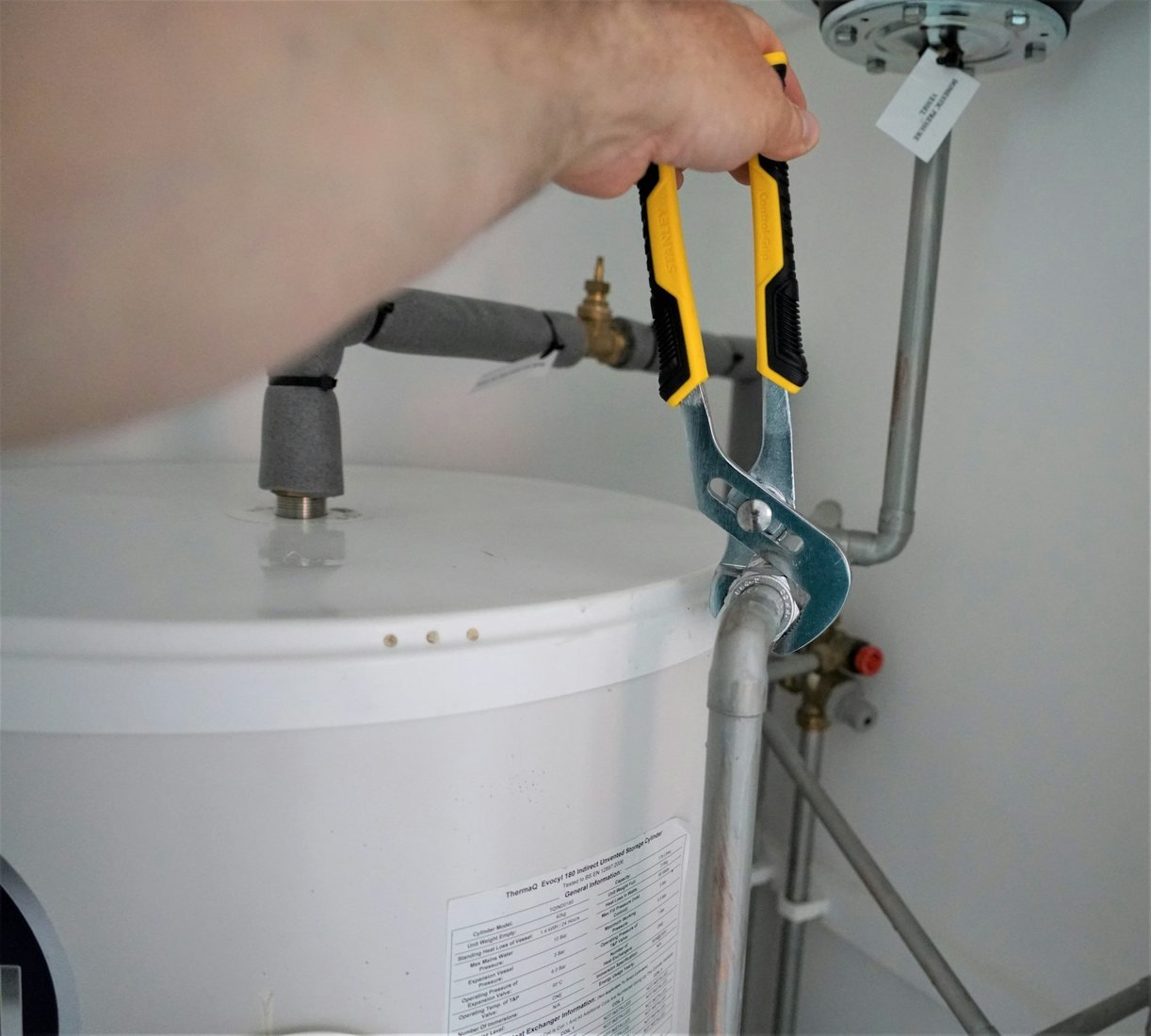
A cold shower during the morning rush is usually what forces the question: should the replacement be gas or electric? When comparing gas versus electric water heaters, the right answer depends less on a single efficiency rating and more on your home’s fuel access, hot-water demand, installation setup, and long-term operating costs.
For many homeowners, a water heater is out of sight until it leaks, runs out of hot water, or starts making unfamiliar noises. That is why replacement decisions can feel rushed. A clear comparison helps you choose equipment that delivers reliable hot water now without creating unnecessary costs or limitations later.
Gas Versus Electric Water Heaters: The Main Difference
A gas water heater uses natural gas or propane to heat the water in its tank. An electric water heater uses electric heating elements powered by a dedicated electrical circuit. Both can provide dependable hot water for showers, laundry, dishes, and everyday use, but they do so at different speeds and with different installation requirements.
Gas tank water heaters generally recover faster. Recovery rate is the amount of hot water a unit can heat after the tank has been used. If several people shower back-to-back, a gas model can often restore the tank’s supply sooner than a standard electric unit of the same size.
Electric tank models usually cost less to purchase and are mechanically simpler. They do not need a gas line, combustion air, or exhaust vent. That can make them a practical choice in homes without gas service or in spaces where venting a gas appliance would be difficult.
Neither fuel type is automatically best for every household. The strongest choice is the one that matches how your home uses hot water.
Upfront Cost and Installation Considerations
The price on the water heater itself is only part of the project. Installation conditions can change the total cost significantly.
Replacing an existing gas tank water heater with a similar gas model is often straightforward when the gas connection, venting, drain pan, and surrounding clearances meet current requirements. If the old vent system needs upgrading, the gas line must be resized, or the unit is being moved, the installation becomes more involved.
An electric water heater may have a lower equipment price, but it needs adequate electrical capacity. Most full-size electric tank models require a 240-volt dedicated circuit. In an older home, the panel may not have enough available capacity, or new wiring may be needed from the electrical panel to the water heater location. Those upgrades can offset the savings of a lower-priced unit.
Switching fuel types is possible, but it is rarely a simple swap. Going from electric to gas may require a new gas line and approved venting. Going from gas to electric may require electrical upgrades and can affect operating costs. Before making the change, ask for an on-site assessment rather than relying on a rough price over the phone.
Operating Cost: Look at Local Energy Prices
Electric water heaters are highly efficient at the unit because the heating elements transfer most of their energy directly into the water. Gas models lose some heat through combustion and venting, although high-efficiency gas units reduce those losses substantially.
That does not automatically mean electric is cheaper to operate. Your monthly cost is driven by local electricity and gas rates, how much hot water your household uses, the heater’s efficiency, and the temperature of incoming water. In colder climates, incoming water is colder for much of the year, so the heater has to work harder to reach the set temperature.
As a general rule, conventional gas tank water heaters often have lower operating costs than standard electric tank models where natural gas is available at a favorable rate. However, rate changes, equipment efficiency, and household habits can shift the math. A professional can help compare estimated annual operating costs for the specific models that fit your home.
It also helps to separate fuel cost from waste. A poorly insulated older tank, a failing dip tube, excessive thermostat settings, or hidden hot-water leaks can raise bills no matter which fuel you use.
Hot Water Supply and Recovery Rate
Households with a busy morning schedule should pay close attention to recovery rate and first-hour rating. The first-hour rating estimates how much hot water a tank can provide in the first hour of use. It is often more useful than tank size alone.
A 40- or 50-gallon tank may sound adequate, but a family with multiple showers, a dishwasher, and frequent laundry may need a higher first-hour rating. Gas units often perform well in these high-demand situations because they reheat water more quickly.
Electric tanks can still serve families well when sized correctly. A larger tank, such as a 50- or 60-gallon model, can provide a stronger reserve of hot water. The trade-off is that recovery after heavy use is usually slower than gas.
For smaller households, condos, rental units, or homes with predictable usage, an electric tank can be a sensible, dependable choice. For larger households that regularly run several hot-water fixtures close together, gas may offer more comfortable performance without moving to a larger tank.
Reliability, Maintenance, and Safety
Both gas and electric water heaters can last for years when properly installed and maintained. Tank-style water heaters commonly need attention before they completely fail, especially when sediment builds up or the anode rod becomes depleted.
Electric models have fewer combustion-related components. Typical repairs may involve heating elements, thermostats, or electrical connections. Gas models may need service for the burner, pilot or ignition system, gas control valve, venting, or combustion performance.
Gas equipment requires particular attention to safe venting and combustion. Improper installation can create serious risks, including carbon monoxide exposure. The water heater should be installed with the required clearances, proper vent connections, and functioning carbon monoxide alarms nearby as required by local codes.
Water quality matters for both types. Hard water can leave mineral deposits inside the tank and on heating components, reducing efficiency and shortening equipment life. If your home has hard water, water treatment and regular maintenance can protect the new system.
A practical maintenance plan includes checking for leaks, testing the temperature and pressure relief valve, inspecting the anode rod when appropriate, and flushing sediment based on the water conditions and manufacturer’s recommendations. Small service visits can prevent a surprise failure and help preserve warranty coverage.
What About Tankless Water Heaters?
Tankless water heaters change the comparison slightly. Gas tankless models are popular for households that want continuous hot water and have sufficient gas supply and venting options. They can provide high flow rates, but sizing must account for simultaneous fixtures and cold incoming water temperatures.
Electric tankless units avoid combustion and venting, but they can require substantial electrical capacity. In many homes, whole-house electric tankless installation means major panel and service upgrades. They may be better suited to small point-of-use applications unless the home’s electrical system is designed for the load.
Tankless equipment is not automatically better than a tank. It can be an excellent fit for the right home, but installation quality, proper sizing, and maintenance are essential. A tank water heater remains a cost-effective, reliable choice for many households.
How to Choose the Right Water Heater for Your Home
Start with the equipment you already have. If your home has a properly installed gas water heater and your family is happy with its recovery speed, replacing it with a high-efficiency gas model may be the most practical path. If your home is electric-only, has limited venting options, or has modest hot-water demand, an electric tank may make more sense.
Then consider your daily habits. Count the bathrooms, the number of occupants, shower timing, laundry use, and whether appliances frequently run at the same time. Think about the next five to 10 years too. A growing family, basement renovation, or added bathroom can change the capacity you need.
Finally, compare the complete installation, not just the sticker price. The best value is a properly sized unit installed safely, cleanly, and to code, with clear information about efficiency, warranty, maintenance, and expected operating costs. A qualified technician can inspect the space, confirm fuel or electrical requirements, and provide options without guesswork.
When hot water is part of your family’s daily routine, dependable performance is worth planning for. A2Z Comfort Solutions can help homeowners select and install a water heater that fits the home, the budget, and the demand – so the next replacement feels like a smart upgrade, not an emergency decision.