
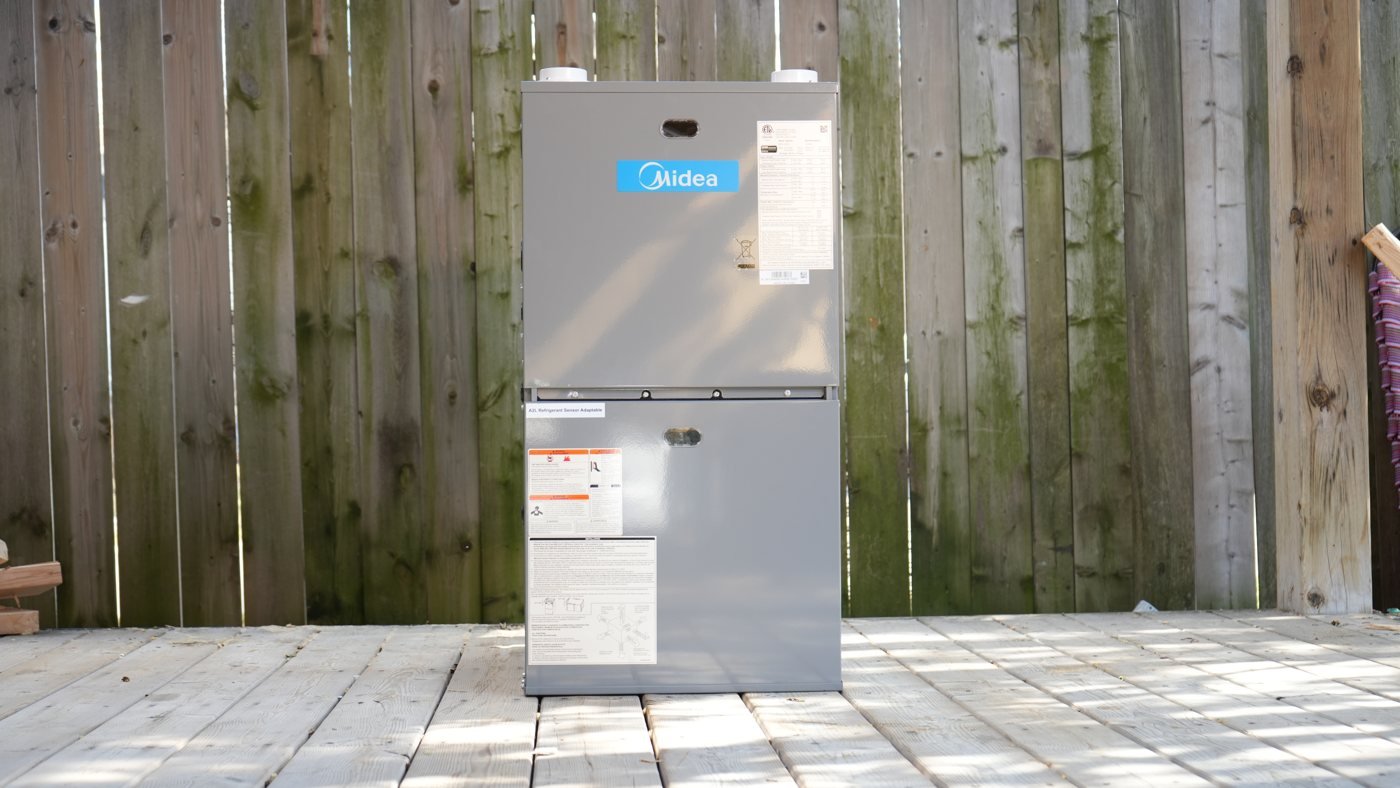
A furnace that still turns on is not necessarily doing its job well. If rooms heat unevenly, the blower is noisy, repairs are becoming routine, or winter utility bills keep climbing, it may be time to look at the best furnace upgrade options for your home. The right choice is not always the biggest or most expensive unit. It is the system that matches your home, ductwork, comfort needs, and budget.
For homeowners in Toronto and the GTA, a heating upgrade needs to handle long cold spells without leaving the family guessing whether the house will stay warm. A professional assessment helps replace guesswork with clear options, proper sizing, and a realistic view of energy savings.
Start With the Furnace You Have
Before choosing replacement equipment, consider the age and condition of your current furnace. Many furnaces can operate for 15 to 20 years with consistent maintenance, but efficiency, reliability, and repair history matter more than age alone.
A furnace nearing the end of its service life may show its age through frequent cycling, cold areas of the home, yellow burner flames, rising gas use, excess dust, or repeated repair calls. If a major part fails on an older unit, putting more money into repairs can delay a replacement without solving the underlying comfort problem.
Your contractor should inspect the furnace, venting, gas line, electrical connections, filter system, thermostat, and ductwork. This matters because a high-efficiency furnace cannot deliver its full benefit if it is incorrectly sized or connected to leaky, restrictive ducts.
Best Furnace Upgrade Options for Better Comfort
High-efficiency two-stage gas furnaces
For many homes, a two-stage gas furnace is the practical sweet spot. Instead of always operating at full output, it can run at a lower stage during milder conditions and increase capacity when outdoor temperatures drop. That longer, gentler runtime can reduce temperature swings and make the home feel more consistently comfortable.
Look for a high Annual Fuel Utilization Efficiency, or AFUE, rating. A furnace rated at 96% AFUE converts more of the fuel it uses into heat than an older, lower-efficiency model. Actual savings depend on your old equipment, thermostat settings, home insulation, and local gas costs, but replacing an inefficient furnace can make a noticeable difference over a full heating season.
Two-stage equipment is a strong fit for families who want dependable heat, lower operating costs, and a sensible upgrade price without adding every premium feature.
Modulating furnaces for precise temperature control
A modulating gas furnace makes smaller adjustments to its output instead of switching between only low and high settings. It is designed to maintain a closer indoor temperature range and run for longer, quieter cycles.
This option is especially worth considering in larger homes, homes with open layouts, or properties where occupants notice frequent hot and cold swings. It can also be helpful when bedrooms, upper floors, or additions have been hard to heat evenly.
The trade-off is upfront cost. Modulating furnaces generally cost more than single-stage or two-stage models, and installation quality is essential. Proper setup of the airflow, thermostat, and gas pressure determines whether the equipment performs as intended.
Variable-speed blower upgrades
The blower motor has a bigger impact on daily comfort than many homeowners expect. A variable-speed blower can gradually adjust airflow rather than starting and stopping at one fixed speed. That often means quieter operation, more balanced room temperatures, and better air circulation.
When paired with compatible cooling equipment, a variable-speed blower can also support better summer humidity control. During heating season, it may help distribute warmth more evenly through long duct runs and multi-level homes.
Variable-speed technology can be included with a new furnace or, in limited cases, addressed as part of a larger system plan. It is generally more cost-effective and reliable when selected with a compatible furnace rather than treated as a standalone upgrade.
Cold-climate heat pump and furnace combinations
A dual-fuel setup combines an electric heat pump with a gas furnace. The heat pump handles heating during moderate weather and provides air conditioning in summer. When temperatures fall low enough that gas heat is the more effective choice, the furnace takes over.
This approach can reduce reliance on gas during the shoulder seasons while giving homeowners dependable furnace heat during severe winter weather. It is a compelling option when both the furnace and air conditioner are aging, since one coordinated installation can improve comfort year-round.
Not every home needs dual fuel. The right decision depends on electrical capacity, equipment costs, energy rates, insulation levels, and how long you plan to stay in the property. A load calculation and an honest operating-cost comparison should come before choosing this route.
Do Not Skip Sizing and Ductwork
Installing an oversized furnace is one of the most common ways to lose comfort. A unit that is too large can heat the house quickly, shut off too soon, and repeat the cycle. That short cycling can create uneven temperatures, extra noise, and unnecessary wear on components.
A properly sized furnace is selected through a home heat-loss calculation. The calculation accounts for square footage, insulation, window performance, ceiling height, air leakage, layout, and local winter conditions. A replacement should not be sized simply by matching the capacity of the old furnace.
Ductwork also deserves attention. Crushed flex ducts, poor return-air pathways, disconnected sections, or ducts that are too small can limit airflow. In some homes, modest duct improvements, return-air upgrades, or sealing work can make a new furnace feel substantially better. If one room is consistently uncomfortable, ask whether the problem is equipment capacity, airflow, insulation, or all three.
Small Upgrades That Make a Real Difference
A new furnace performs best when the rest of the heating system supports it. These additions often deliver better comfort and protect the investment:
- A compatible smart or programmable thermostat can maintain a steadier schedule and make temperature adjustments easier.
- A whole-home humidifier can help reduce dry-air discomfort during the heating season when properly sized and maintained.
- A high-quality media air cleaner can capture more airborne particles than a basic one-inch filter while protecting system airflow.
- Regular maintenance, including filter changes and safety checks, helps preserve efficiency and identify problems before a winter breakdown.
These are not automatic add-ons for every home. For example, adding too much filtration without confirming adequate airflow can create problems. A technician should recommend accessories based on your equipment, household needs, and duct design.
How to Compare Quotes Without Guessing
When reviewing furnace replacement estimates, compare more than the brand name and the final price. Confirm the furnace efficiency rating, heating capacity, staging, blower type, thermostat compatibility, warranty coverage, and the work included in installation.
Ask whether the quote includes removing the old equipment, updating venting where needed, permits, startup testing, and cleanup. You should also know whether duct modifications, electrical work, or a new condensate drain are required. Clear scope prevents surprises after installation day.
The lowest quote can become costly if the equipment is undersized, oversized, or installed without attention to airflow and venting. A detailed estimate from a qualified HVAC professional gives you a clearer picture of both immediate cost and long-term value. If financing is a better fit for your household budget, ask about available options before delaying a needed replacement.
When an Upgrade Should Not Wait
A furnace that has stopped heating in winter needs prompt attention, but other warning signs deserve fast action too. Schedule an assessment if you smell gas, see a yellow burner flame, notice soot around the unit, hear loud banging or grinding, or have a carbon monoxide alarm activate. Leave the home and contact emergency services or the gas utility first if you suspect a gas leak or carbon monoxide issue.
For less urgent concerns, planning an upgrade before a complete failure gives you time to compare equipment and avoid a rushed decision during the coldest week of the year. A2Z Comfort Solutions can assess your current system, explain the options in plain language, and provide a free estimate for a heating solution built around your home.
A furnace upgrade should leave you with more than a new box in the basement. It should give you quiet, dependable heat, better control over comfort, and confidence when the next cold front moves in.