
A heating system decision becomes very real when temperatures drop, rooms heat unevenly, or an aging unit starts needing repairs at the worst possible time. When comparing boiler vs furnace for home heating, the right answer is not simply which system costs less upfront. It is the system that suits your home’s layout, existing equipment, comfort preferences, fuel source, and long-term budget.
Both systems can keep a home warm reliably when they are properly sized and professionally installed. The difference is how they create and distribute heat. That difference affects the feel of your home, your installation costs, your maintenance needs, and whether your heating system can also help with hot water or cooling.
Boiler vs Furnace for Home Heating: The Core Difference
A furnace heats air and moves it through ductwork using a blower. Warm air comes out through supply vents in each room, while return vents pull cooler air back to the furnace to be heated again. Most furnaces in homes use natural gas, although electric and propane models are also available.
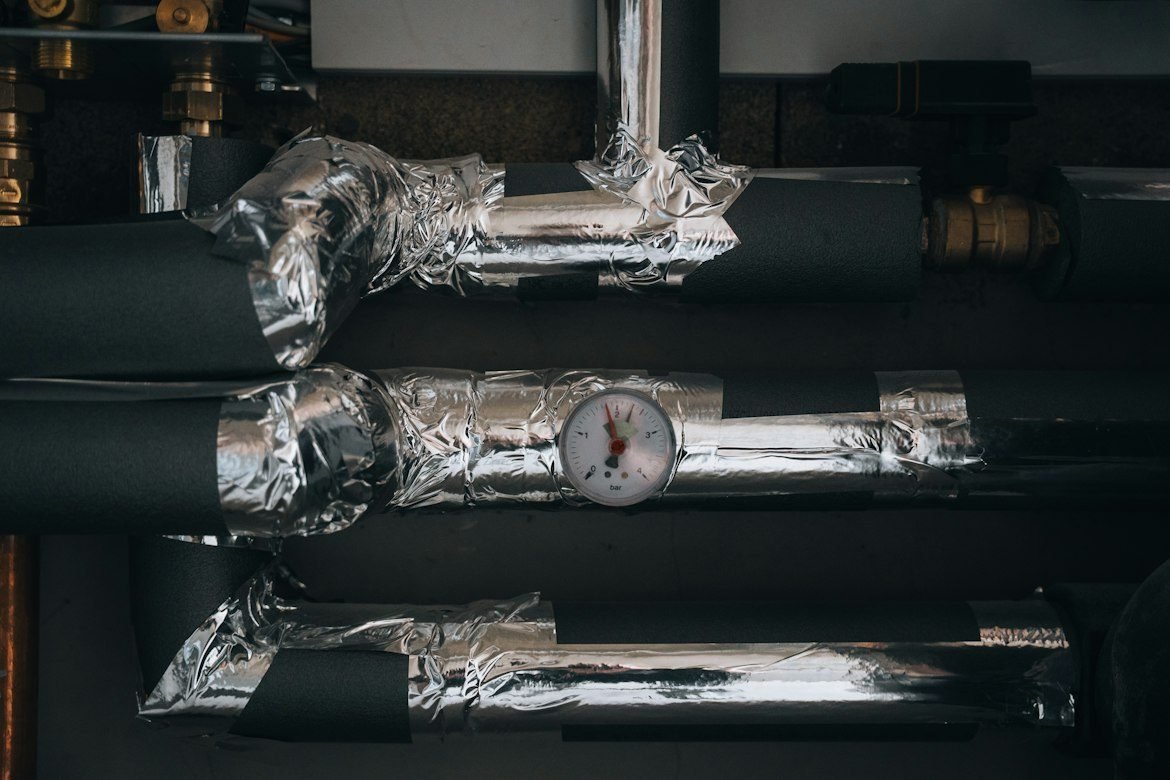
A boiler heats water rather than air. That hot water travels through pipes to radiators, baseboard heaters, or in-floor radiant heating loops. The water returns to the boiler, is reheated, and continues circulating. Some boiler systems can also provide domestic hot water, depending on their design.
Neither approach is automatically better. A high-efficiency furnace can offer fast, dependable heat and easy integration with central air conditioning. A well-designed boiler can deliver quiet, even radiant warmth that many homeowners prefer during long winters.
How Each System Feels in Your Home
The comfort difference is often what homeowners notice first.
A furnace generally heats rooms faster because it sends warm air directly into the space. This can be a major advantage when you want a quick temperature increase in the morning or after coming home. Modern variable-speed furnaces can also run at lower speeds for longer periods, helping reduce temperature swings and improve circulation.
Boiler heat is slower to build because water and radiators take time to warm up. Once the system is operating, though, it provides a steady, gentle heat. Radiant systems warm surfaces and people in a room, not just the air. Floors, furniture, and exterior walls can feel less cold, which can make a home feel comfortable at a slightly lower thermostat setting.
Furnaces can create drafts or carry more noticeable airflow, particularly in older duct systems. Boilers do not blow air, so they are exceptionally quiet and do not move dust through the home. For households sensitive to airborne dust, a boiler has an appeal. On the other hand, a furnace can work with high-quality filters, humidifiers, air cleaners, and ventilation equipment that improve whole-home air quality.
Installation Costs Depend on What Your Home Already Has
For most homes, the most affordable choice is usually the one that works with the infrastructure already in place.
If your home has forced-air ducts and an existing furnace, replacing the furnace is typically more straightforward than converting to a boiler. The ducts are already installed, the thermostat wiring is in place, and a new high-efficiency unit can often use much of the existing system after appropriate inspection and updates.
If your home already has radiators, baseboards, or radiant floor piping, replacing an older boiler can be the practical path. Converting that home to forced air may require extensive duct installation, wall and ceiling work, and possible changes to electrical and ventilation systems.
Converting from a furnace to a boiler can also be costly because pipework and heat emitters must be added throughout the house. Converting from boiler heat to a furnace has the same challenge in reverse: ductwork needs room, and older homes may not have easy paths for large supply and return ducts.
This is why an in-home assessment matters. A heating contractor should inspect the existing distribution system, insulation levels, ventilation, fuel access, and heat loss before recommending equipment. The right system size is just as important as the type of system. An oversized furnace or boiler can cycle too often, waste energy, and wear out sooner.
Efficiency and Energy Bills
Modern furnaces and boilers are both available in high-efficiency models. Their efficiency is commonly measured by Annual Fuel Utilization Efficiency, or AFUE. A 96% AFUE unit converts about 96 cents of every fuel dollar into usable heat over a heating season, with the remaining portion lost through exhaust and normal operation.
High-efficiency gas furnaces often range from 90% to 98% AFUE. High-efficiency condensing boilers can also reach the mid-to-high 90% range. On paper, a high-efficiency boiler and furnace may look very similar. In real life, energy use also depends on system design, insulation, thermostat settings, duct leakage, and maintenance.
A furnace may lose efficiency if ducts run through unconditioned spaces and leak heated air. Sealing and insulating ducts can make a meaningful difference. A boiler can lose efficiency through poorly insulated piping, outdated controls, or oversized radiators operating at unnecessarily high water temperatures.
For homes with central air conditioning, a furnace may offer an economic advantage because its ductwork already supports an AC system or heat pump. A boiler-only home that wants central cooling may need separate ductless equipment, a high-velocity system, or a more involved renovation.
Maintenance and Repair Considerations
Both systems need annual professional maintenance before the heavy heating season. Gas-fired equipment should be checked for safe combustion, venting, ignition performance, carbon monoxide risk, and proper operation.
Furnace maintenance usually includes inspecting the heat exchanger, burners, blower motor, condensate drain on high-efficiency models, electrical components, and air filter. Homeowners should replace or clean filters regularly based on the filter type, household conditions, and manufacturer guidance. A clogged filter restricts airflow and can cause comfort problems or unnecessary strain.
Boiler maintenance includes checking the burner, pressure, expansion tank, circulator pumps, safety controls, venting, water quality, and signs of leaks or corrosion. Hydronic systems are durable, but neglected pumps, valves, or air in the lines can lead to cold rooms, banging pipes, or inconsistent heat.
Boilers often have fewer moving parts in the living space and can last a long time when maintained well. Furnaces are also built for long service, but their blower systems and ductwork add components that need attention. Age alone should not decide replacement. Frequent repairs, rising fuel bills, uneven heating, or safety concerns are stronger signs that it is time to evaluate your options.
Which System Works Best for Different Homes?
A furnace is often the better fit for a home that already has ducts, needs central air conditioning, or wants fast heat delivery. It can also be a practical choice for homeowners who want one air-distribution system for heating, cooling, filtration, humidification, and ventilation accessories.
A boiler may be the better fit for a home with existing radiators or radiant floors, especially where quiet, even warmth is the priority. It can be particularly appealing in older homes where installing full ductwork would be disruptive or costly. Radiant floor heating is also popular in additions, bathrooms, basements, and custom renovations because it eliminates cold floors.
For some properties, a hybrid approach makes sense. A boiler may handle radiator heat while ductless mini-splits provide cooling and supplemental heating in selected areas. Other homes may pair a furnace with a heat pump for efficient heating during milder weather and dependable furnace heat during colder periods.
Questions to Ask Before You Replace Your Heating System
Before choosing between a boiler and furnace, ask whether your existing ducts or pipes are in good condition, whether you want central cooling, and whether some rooms are consistently too cold or too warm. Consider the available fuel source, the age of your current equipment, and how long you plan to stay in the home.
Also look beyond the equipment price. A lower-cost system that is poorly sized or poorly installed can create years of high bills and service calls. Proper load calculations, clean installation practices, correct venting, and clear warranty information matter as much as the brand name on the cabinet or boiler jacket.
For homeowners in Toronto and the GTA, winter reliability is not optional. A qualified comfort professional can assess your home and explain whether repairing your current system, upgrading to a high-efficiency replacement, or changing heating types makes financial and practical sense.
The best heating system is the one that delivers reliable warmth without surprises. A2Z Comfort Solutions can help you compare the real costs, comfort benefits, and installation requirements in your home, so your next heating decision feels clear long before the next cold snap arrives.