
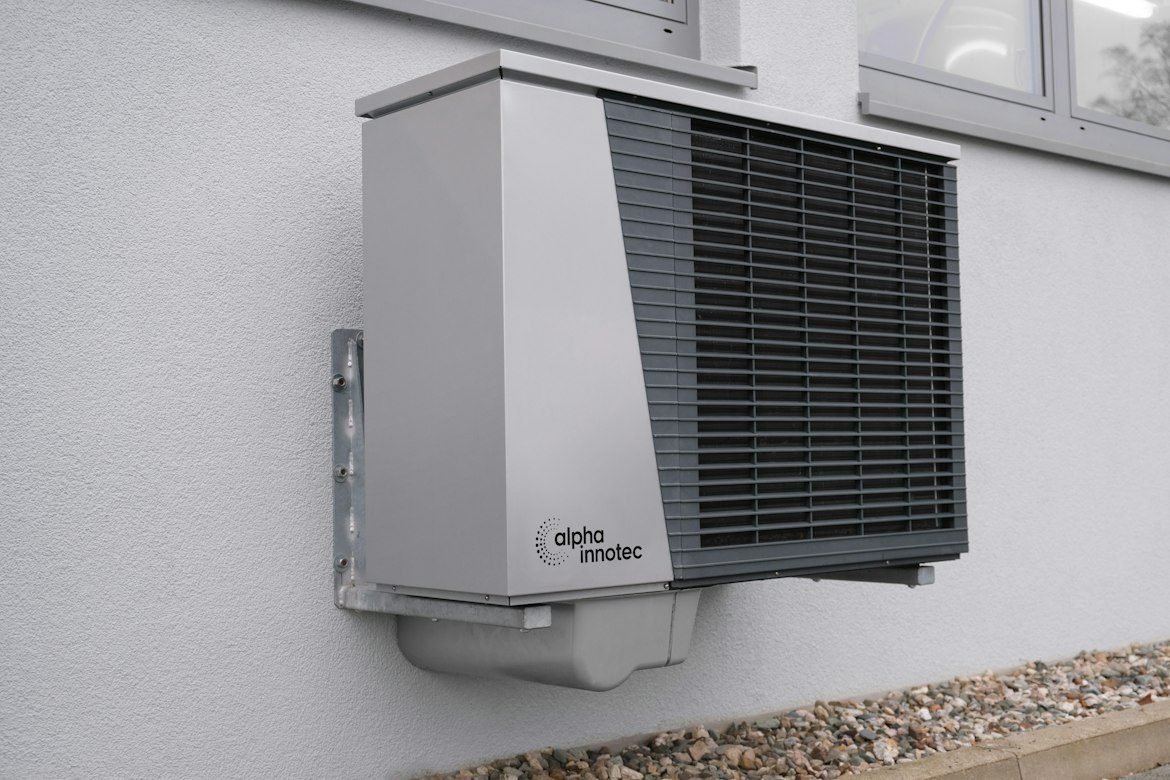
When your heating system starts struggling in January, the furnace versus heat pump question stops being theoretical. It becomes about comfort, monthly bills, and whether your home can handle the next cold snap without surprises.
For homeowners, landlords, and small property owners, the right choice depends on more than one spec sheet. You need a system that matches your home, your budget, and the way you actually live. A good recommendation should be clear, practical, and honest about trade-offs.
Furnace versus heat pump: the core difference
A furnace creates heat. In most homes, that means burning natural gas and pushing warm air through ductwork. A heat pump works differently. It moves heat rather than generating it directly, pulling warmth from the outdoor air and transferring it indoors.
That difference matters because it affects operating cost, comfort feel, installation planning, and long-term value. A furnace is usually the stronger pure-heating machine, especially in very cold conditions. A heat pump is a year-round system that can both heat and cool, which makes it appealing for homeowners looking to improve efficiency and reduce reliance on gas.
Neither option is automatically better for every property. The best fit comes down to climate, insulation, ductwork, utility rates, and your upgrade goals.
How a furnace performs in real homes
A furnace is still a dependable choice for many houses because it delivers strong, fast heat. When outdoor temperatures drop hard, a properly sized gas furnace can keep up without much trouble. That is a big reason many homeowners feel confident sticking with one.
There is also a familiarity factor. Most people know what furnace heat feels like. The air coming from the vents tends to be hotter, so the home warms up quickly after the thermostat is raised. If your priority is strong performance during deep winter weather, that can be a major advantage.
The trade-off is efficiency and fuel dependence. Even high-efficiency furnaces still rely on gas, and that means your costs are tied to gas pricing. Furnaces also do one job. They heat. If you need air conditioning too, you will still need a separate cooling system.
Maintenance is another factor. Furnaces need regular service to keep burners, heat exchangers, filters, ignition components, and venting systems operating safely and efficiently. A neglected furnace can lose performance over time, and in the worst cases, safety issues can develop.
How a heat pump performs in real homes
A heat pump has become a serious option for homeowners who want efficiency and all-season comfort. Because it moves heat instead of creating it through combustion, it can operate with much lower energy use in many conditions. It also provides air conditioning in summer, which means one system can handle both seasons.
That dual-purpose design is a big benefit if you are replacing both an older furnace and an aging AC. Instead of installing separate systems, a heat pump may simplify the setup while lowering your monthly energy use.
The biggest question people ask is cold-weather performance. That is fair. Heat pumps have improved a lot, but performance still depends on the equipment, the installation, and the local winter conditions. In milder cold, a heat pump can be very efficient. In more extreme temperatures, it may need backup heat or a hybrid setup to maintain comfort and efficiency.
The comfort feel is also a little different. Heat pumps usually deliver a steadier, gentler warmth rather than the short blast of very hot air many people associate with a furnace. Some homeowners love that balanced feel. Others prefer the stronger heat output of gas.
Cost is not just the price tag
The first number most homeowners look at is installation cost, but that only tells part of the story. Furnace versus heat pump decisions should include upfront cost, energy bills, repair risk, expected lifespan, and whether other equipment is being replaced at the same time.
A furnace may have a lower initial cost if you already have gas service, existing ductwork, and a compatible cooling setup. If your AC is still in good shape, replacing just the furnace can be the most budget-friendly move right now.
A heat pump can cost more up front depending on the system type and electrical requirements. But if it replaces both heating and cooling equipment, the value equation changes. Over time, the lower operating cost can help offset the larger initial investment, especially in homes where efficiency upgrades are a priority.
This is also where financing can matter. For many families, the right system is not simply the cheapest one. It is the one that delivers reliable comfort without creating pressure on the household budget.
What works better in colder weather?
This is where the conversation needs some honesty. If your main concern is dependable heating during harsh winter conditions, a gas furnace still sets the standard for raw heat delivery. It is built for that job and performs well when temperatures really drop.
A heat pump can still be a strong choice, but the details matter. Newer cold-climate heat pumps are much better than older models, and many homes can use them successfully. Still, some properties benefit from a dual-fuel system, where a heat pump handles much of the heating and cooling while a furnace supports the home during the coldest periods.
For many households, that hybrid option is the sweet spot. You get efficient electric heating for much of the year, powerful gas heat when needed, and cooling in summer. It is not the cheapest installation in every case, but it can be the most balanced solution.
Furnace versus heat pump for energy savings
If your goal is reducing energy consumption, the heat pump usually has the edge. Moving heat is generally more efficient than producing it through combustion. That can lead to lower utility bills in many homes, especially during moderate heating weather and throughout cooling season.
But savings are never one-size-fits-all. If the home has poor insulation, leaky ductwork, or outdated thermostat controls, even a high-efficiency system can underperform. The equipment matters, but the house matters too.
That is why a proper load calculation and installation plan are so important. Oversized equipment cycles poorly. Undersized equipment struggles. Bad airflow reduces comfort and efficiency. Homeowners often compare brands and ratings, but the install quality usually has just as much impact on real-world results.
Which system is better for your home?
If you want the simplest answer, here it is. A furnace often makes more sense when your home already has a solid gas setup, your winter heating demand is high, and you want strong, familiar heat with a lower upfront replacement cost.
A heat pump often makes more sense when efficiency is a priority, you want both heating and cooling from one system, and you are planning a broader comfort upgrade rather than a quick equipment swap.
A dual-fuel approach makes sense when you want flexibility. It gives you electric efficiency in milder weather and gas backup when temperatures turn severe. For many homes in and around Toronto, that balance can be especially appealing because weather conditions can shift fast across the season.
A few questions worth asking before you decide
Before replacing anything, ask how old your current heating and cooling equipment is, whether your ductwork is in good shape, and how your home has been performing during extreme temperatures. Think about your monthly utility costs, how long you plan to stay in the home, and whether you want one repair now or a more strategic upgrade.
It is also worth asking how quickly you want the house to warm up, whether summer cooling matters just as much as winter heating, and how much value you place on long-term efficiency. Those answers usually make the right path much clearer.
At A2Z Comfort Solutions, the goal is not to push one product over another. It is to match the system to the home, install it properly, and make sure you get reliable comfort without guesswork.
The best heating system is not the one that sounds best on paper. It is the one that keeps your home comfortable, your costs manageable, and your family confident when the weather turns.