
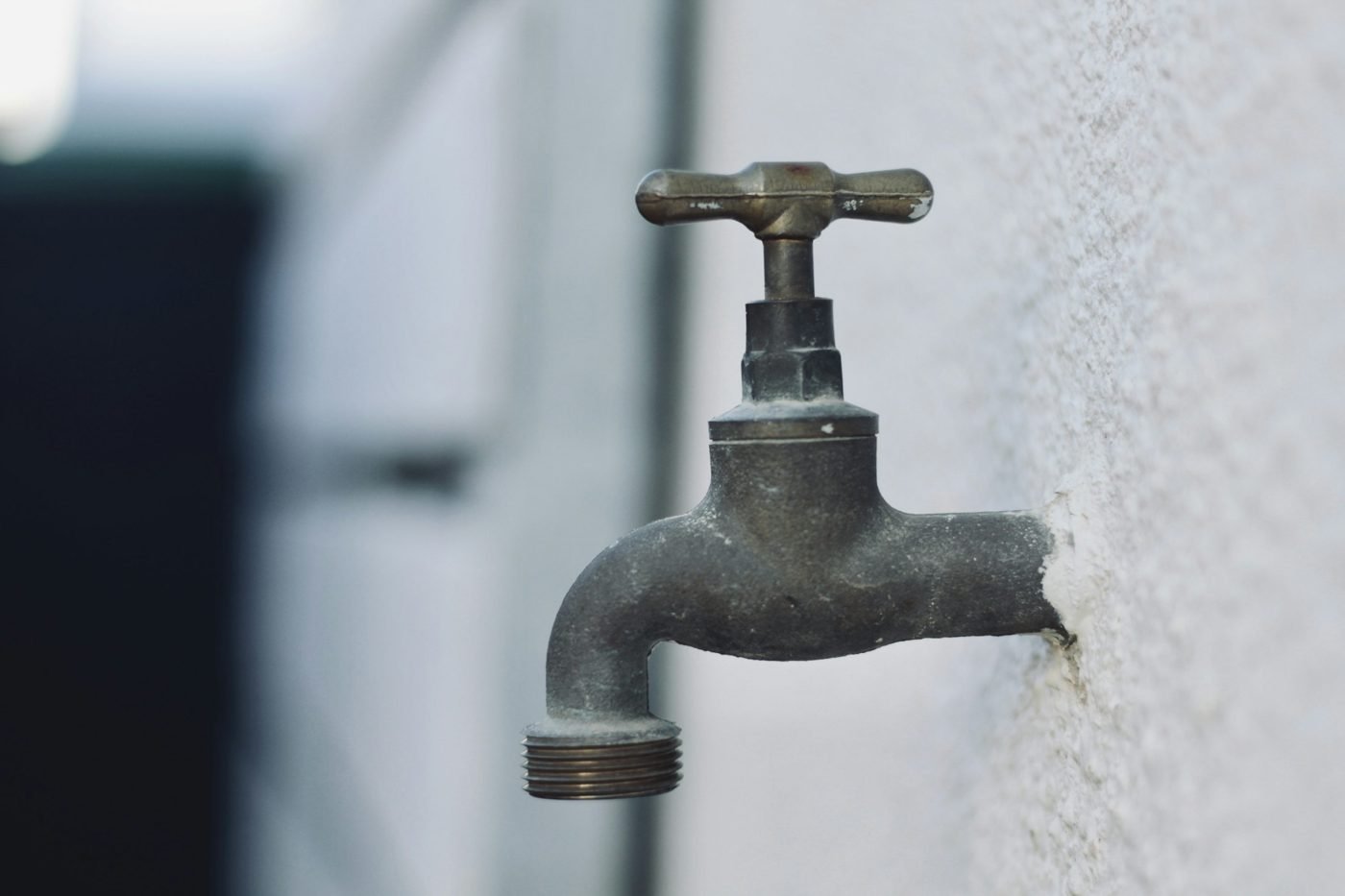
That white crust around a faucet is not just a cleaning nuisance. It can be an early warning that minerals in your water are building up inside fixtures, pipes, and water-using appliances. Knowing how to spot hard water symptoms gives you a chance to protect your home before reduced water flow, inefficient hot water, or costly repairs become part of the problem.
Hard water is common in many municipal and well-water areas. It contains elevated levels of dissolved minerals, primarily calcium and magnesium. The water is generally safe to use, but those minerals can leave deposits wherever water evaporates or is heated. The longer the issue continues, the more noticeable the effects can become.
How to Spot Hard Water Symptoms in Daily Life
The easiest clues often appear in the rooms where water is used every day. You may not notice one isolated symptom, but a pattern across the kitchen, bathrooms, laundry room, and mechanical room is worth investigating.
White spots and scale on fixtures
Hard water commonly leaves chalky white or off-white residue on faucets, showerheads, glass shower doors, sink basins, and tiles. These spots return quickly after cleaning because they are mineral deposits left behind as water dries.
A small amount of residue does not automatically mean you need a water softener. However, if you are repeatedly scrubbing scale from multiple fixtures, or a showerhead develops clogged spray holes, your water hardness may be high enough to affect more than appearance.
Soap that will not rinse clean
Hard water changes the way soap and detergent behave. Instead of forming a rich lather, soap can leave behind a dull film or sticky residue. You may feel like you need more shampoo, body wash, dish soap, or laundry detergent to get the same result.
In the shower, this can feel like a film on your skin even after rinsing. On dishes and glassware, it may look like cloudy streaks or a hazy finish after the dishwasher cycle. Adding more soap can make the residue worse, so it is not always the solution homeowners expect.
Dry skin, dull hair, and stiff laundry
Minerals and soap residue can also affect personal care and laundry. Some people notice dry, itchy skin after bathing, hair that feels heavy or less manageable, or towels that become rough despite using fabric softener. These symptoms can have other causes, including dry indoor air, product sensitivity, and detergent buildup, so they are not proof by themselves.
Still, when dry skin and hair concerns occur alongside visible scale and poor soap performance, hard water becomes a more likely explanation. During cold weather, when indoor air is already dry, hard water can make the discomfort feel even more pronounced.
Cloudy dishes and stubborn bathroom stains
If clean glasses come out of the dishwasher with a cloudy coating, do not assume the appliance is failing. Hard water deposits can cling to glassware, dishes, and the inside of the dishwasher. Reducing detergent, changing detergent types, or using rinse aid may improve the appearance temporarily, but it will not remove the minerals entering with the water.
Bathroom stains may also appear as white, gray, or yellowish rings around drains and on toilet bowls. Iron can create reddish-brown staining, which is a separate water-quality issue but may occur alongside hardness. A professional water assessment can distinguish between these conditions rather than treating every stain as the same problem.
Signs Hard Water Is Affecting Your Plumbing and Appliances
The more expensive symptoms usually happen out of sight. Calcium and magnesium scale can accumulate inside hot-water equipment and water lines, narrowing passages and forcing equipment to work harder.
Lower water pressure at one fixture
A slow shower or weak faucet stream can result from a clogged aerator or showerhead. Unscrew the aerator if possible and inspect it for white grit or crust. Cleaning or replacing that small part may restore flow at the fixture.
If several fixtures have low pressure, or the problem keeps returning after cleaning, scale could be present deeper in the plumbing system. That does not always mean the pipes need replacement. The right solution depends on the plumbing material, the age of the home, water hardness levels, and the condition of the affected fixtures.
A noisy or less efficient water heater
Hard water has a particular effect on water heaters because heat causes minerals to separate and settle more quickly. In a tank-style water heater, sediment can collect at the bottom of the tank. Homeowners may hear popping, rumbling, or crackling sounds as water heats beneath the buildup.
A tankless water heater can also develop scale inside its heat exchanger. When scale builds up, the unit may take longer to deliver hot water, operate less efficiently, or require more frequent maintenance. These issues should not be ignored, especially if your household relies on steady hot water for morning routines, laundry, or multiple bathrooms.
Higher utility costs are not always easy to connect to hard water, but mineral buildup can be a contributing factor. Equipment that must work harder to transfer heat can use more energy over time. Routine flushing may help in some cases, but it does not stop new minerals from entering the system.
Shorter appliance life
Dishwashers, washing machines, coffee makers, humidifiers, ice makers, and water heaters all depend on water moving through small components. Scale can reduce performance and shorten the useful life of parts that heat water or control flow.
You may notice a coffee maker taking longer to brew, a humidifier producing less mist, or a washing machine leaving clothes feeling less clean. Appliance problems have many possible causes, but recurring mineral scale is a signal that the incoming water deserves attention.
Hard Water Symptoms Versus Other Water Problems
Hard water is not the same as contaminated water, and it does not typically create an immediate health emergency. Its main effects are household maintenance, appliance efficiency, cleaning performance, and comfort. That distinction matters because the right treatment depends on what is actually in your water.
For example, a rotten-egg odor can point to sulfur-related issues, while a metallic taste or orange staining may suggest iron. Chlorine odor is often related to municipal water treatment. A water softener addresses hardness minerals, but it is not designed to solve every taste, odor, or contaminant concern.
If you use well water, testing is especially valuable because water conditions can change over time. Municipal water users can also benefit from testing when symptoms are persistent or when choosing a treatment system. A proper result measures hardness and can identify other factors that influence the best setup for your home.
What to Do When You Suspect Hard Water
Start by looking for recurring evidence rather than reacting to one spot on a faucet. Check showerheads, glassware, laundry, water heater performance, and the frequency of cleaning needed around sinks and tubs. If the same mineral residue appears throughout the home, a water test is the practical next step.
Avoid choosing a treatment system based only on a neighbor’s experience. Household size, the number of bathrooms, daily water use, plumbing layout, and measured hardness all affect the right water softener size. An undersized unit may struggle to keep up, while an oversized or poorly configured system can waste salt and water.
For homes with hard water and concerns about drinking-water taste, a water softener and a separate reverse osmosis system can serve different purposes. Softening treats the water supplied throughout the home to reduce scale. Reverse osmosis is typically used at a dedicated drinking-water tap to reduce a broader range of dissolved substances. One is not automatically a replacement for the other.
Professional installation also matters. Proper bypass valves, drain connections, settings, and maintenance access make the system easier to service and help protect your plumbing. If hard water is already affecting your water heater, it is smart to have the equipment inspected at the same time instead of addressing the symptoms in isolation.
For homeowners in Toronto and the GTA, A2Z Comfort Solutions can assess water concerns, explain treatment options clearly, and help protect the equipment that keeps your home comfortable. A simple water test can turn frustrating white residue and declining appliance performance into a clear, manageable next step.