
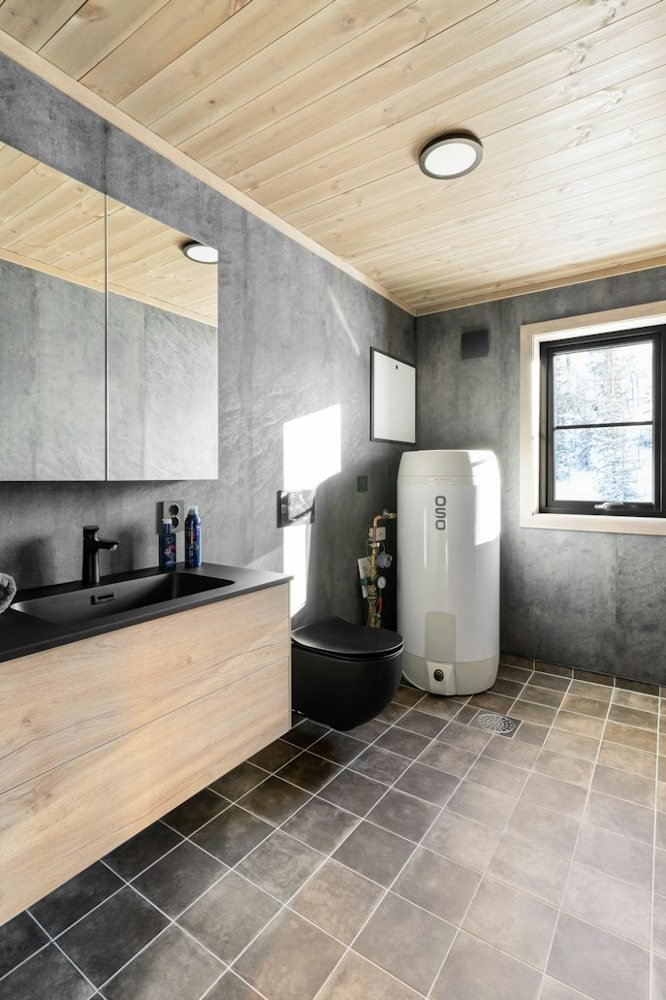
A cold shower is rarely the first sign of a failing unit. More often, a water heater starts giving quieter warnings: rusty water, rumbling sounds from the tank, a small puddle near the base, or hot water that runs out much sooner than it used to. Water heater replacement Milton homeowners schedule before a complete breakdown can prevent water damage, avoid an emergency installation, and give the household time to choose a system that fits its real hot-water needs.
For a family home, the right replacement is not simply the biggest tank or the highest-efficiency model on the shelf. Fuel source, household size, available space, venting, water quality, and daily routines all matter. A professional assessment turns those details into a clear recommendation and a dependable installation.
When Water Heater Replacement in Milton Makes Sense
Most traditional storage-tank water heaters last roughly 8 to 12 years, though maintenance, water conditions, usage, and installation quality can shorten or extend that range. Age alone does not mean a unit must be replaced, but an older heater deserves closer attention, especially before a busy winter season.
A leak from the temperature and pressure relief valve, a loose connection, or a drain fitting may be repairable. Water collecting underneath the tank is different. Once the tank itself has corroded and begun leaking, replacement is normally the practical and safe choice. Tank corrosion cannot be repaired from the outside.
Discolored hot water is another concern. If rust appears only when using hot water, the tank or its internal components may be deteriorating. Popping, cracking, or rumbling noises can point to sediment buildup. Sediment takes up room in the tank, makes the burner or heating elements work harder, and can reduce the amount of available hot water.
Repairs can still be worthwhile when the problem is isolated and the system is relatively new. A failed thermostat, heating element, igniter, or valve is not the same as a failing tank. The decision depends on the unit’s condition, repair cost, efficiency, and likelihood of another major issue soon after the repair.
Choose the Right Type of Water Heater
The best replacement starts with how your household uses hot water. A couple in a smaller home may be well served by a standard tank. A larger family with consecutive showers, laundry, and dishwasher use may need greater storage capacity, faster recovery, or a tankless system.
Storage-Tank Water Heaters
A conventional tank stores a set amount of heated water and is often the most familiar, cost-conscious replacement option. Modern high-efficiency tank models can provide reliable performance while reducing standby heat loss compared with older equipment.
Sizing is more than a gallon number. What matters is the first-hour rating: the amount of hot water the heater can provide during a high-demand hour. An undersized unit may work adequately most days but leave the last person in line with a lukewarm shower on busy mornings. Oversizing can mean paying for capacity and energy use the household does not need.
Tankless Water Heaters
Tankless systems heat water as it flows, so they do not store a full tank of hot water. They can be an excellent choice for homeowners who want a compact system, extended hot-water availability, and high efficiency. They are especially appealing where space is limited or where a household expects to stay in the home long term.
The trade-off is that tankless sizing requires precision. The unit must meet the home’s peak flow demand while accounting for the temperature of incoming water. Running two showers, a washing machine, and a dishwasher at once creates a very different demand than one bathroom at a time. Gas line capacity, electrical requirements, venting, and possible plumbing updates must also be assessed before installation.
Tankless equipment also benefits from regular descaling, particularly where mineral content is a concern. This is not a drawback so much as a maintenance requirement that should be planned for from the beginning.
Fuel Source and Efficiency
Many homes use natural gas water heaters, while others use electric equipment. The replacement process should confirm what the home can safely support rather than assuming any model can be swapped into the existing location. Venting for gas equipment, combustion air, drain connections, and electrical capacity all affect the final scope of work.
A higher-efficiency model can lower operating costs, but the best value depends on purchase price, expected use, and installation requirements. A clear estimate should explain the equipment choice and any necessary upgrades so there are no surprises after the work begins.
What a Professional Replacement Should Include
Water heater installation is not a job to rush. It involves water connections, fuel or electrical connections, drainage, safety controls, venting where applicable, and code requirements. A properly installed system protects the home as well as its hot-water supply.
Before recommending equipment, a technician should review the current heater, its age and condition, household usage, installation location, and the home’s existing connections. That conversation is the time to mention problems such as low water pressure, inconsistent temperatures, a growing family, a basement renovation, or plans to add a bathroom.
During a typical replacement, the old unit is disconnected and removed, the installation area is prepared, and the new system is connected using appropriate safety components. For gas systems, venting and combustion requirements must be checked carefully. For tankless systems, the work may include revised venting, a condensate drain, or upgrades to gas or electrical service.
The system should then be tested for safe operation, correct temperature, leaks, and dependable hot-water delivery. The installer should also explain basic operation, temperature settings, maintenance needs, and what signs warrant a service call. A clean work area and responsible removal of the old equipment are part of a professional experience, not extras.
What to Do If Your Water Heater Is Leaking
A leaking tank can become a home-protection issue quickly. If water is actively pooling or flowing, avoid waiting to see whether it stops. Take these four steps while arranging service:
- Turn off the water supply valve above the heater if it is safe to reach.
- Shut off power at the breaker for an electric unit, or turn the gas control to the off position if you smell gas or have been instructed to do so.
- Move belongings away from the area and contain water with towels or a pan if possible.
- Do not attempt to dismantle gas lines, electrical connections, or safety valves yourself.
If you smell gas, leave the area and follow your gas utility’s emergency instructions. A leaking water heater may need prompt replacement, and fast action can limit damage to flooring, drywall, and stored belongings.
Cost Factors to Discuss Before You Replace
No two water heater replacements are identical, so a quote should reflect the actual home rather than just the price of a unit. The equipment type and capacity are major factors, but installation conditions matter too. A straightforward tank-for-tank replacement generally requires less labor than converting to tankless or relocating equipment.
Venting changes, gas line modifications, electrical work, drain requirements, access to the mechanical room, and code-related updates can all affect the project. It is also worth asking about warranty coverage, expected maintenance, and the estimated operating cost of each option. The lowest upfront price is not always the lowest cost over the life of the system.
For homeowners managing a larger upgrade, financing options can make it easier to replace failing equipment without delaying a necessary installation. A free estimate gives you room to compare practical choices based on comfort, budget, and long-term reliability rather than making a rushed decision after the tank fails.
Protect Your New Water Heater
A new heater needs basic care to perform as expected. Keep the area around it accessible, watch for early signs of moisture, and have the system serviced according to the manufacturer’s recommendations. For tank models, periodic flushing can help manage sediment. For tankless models, scheduled descaling supports efficient heat transfer and consistent performance.
If your home has hard water or recurring sediment issues, water treatment may help protect more than the water heater. Minerals can affect fixtures, appliances, and plumbing over time. Addressing water quality alongside a replacement can be a sensible long-term investment when the home’s conditions call for it.
A2Z Comfort Solutions helps Milton homeowners assess their options clearly, install the right system professionally, and restore dependable hot water without unnecessary guesswork. If your current unit is aging, noisy, leaking, or struggling to keep up, arranging an assessment now is often the calmest and most cost-effective next step.