
A glass of water can taste perfectly fine while your shower leaves skin feeling dry, your dishwasher develops white spots, and your faucets collect mineral buildup. That is why the choice between whole house versus point of use filtration is not simply about buying a filter. It is about identifying what is actually in your water, where it causes problems, and which solution protects the parts of your home that matter most.
For some households, a filter at the kitchen sink is all that is needed. For others, treating water only where it is consumed leaves plumbing fixtures, appliances, laundry, and bathing water unaddressed. The right answer depends on your water quality, household size, budget, and daily priorities.
What Whole-House Filtration Does
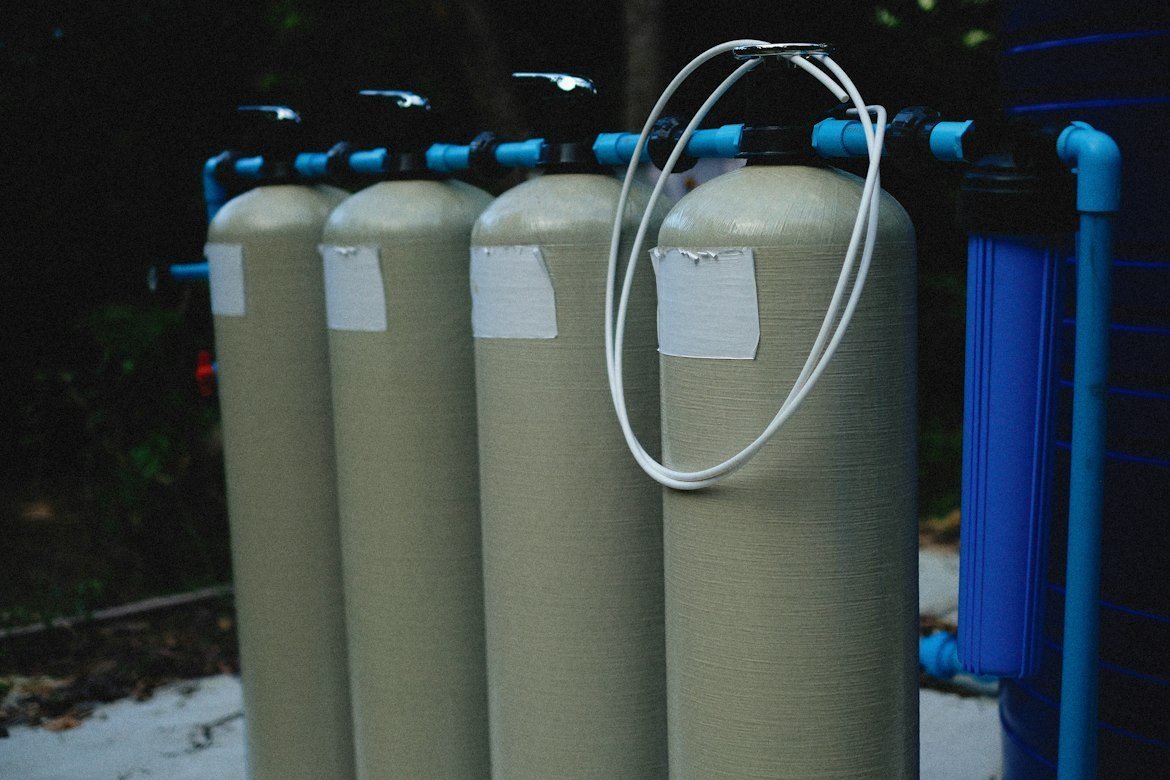
A whole-house filtration system, also called a point-of-entry system, is installed where water enters the home. Every cold and hot water fixture receives treated water, including showers, toilets, washing machines, dishwashers, faucets, and water-using appliances.
These systems can be configured for different concerns. A sediment filter can reduce sand, rust, and fine particles that may clog fixtures or damage valves. Carbon media can improve chlorine taste and odor. A water softener addresses hard-water minerals such as calcium and magnesium, while specialty treatment may be recommended when testing identifies a specific concern.
The main advantage is coverage. If mineral scale is building up around faucets, reducing water heater efficiency, leaving residue on glassware, or making laundry feel stiff, a small under-sink filter will not solve those problems. Whole-home treatment can help protect the plumbing system and equipment throughout the house.
That broader protection comes with a higher upfront investment. Installation must be sized correctly for the home’s flow rate, water pressure, pipe layout, and number of occupants. A system that is too small may reduce water pressure during busy periods, while an oversized or poorly selected system can add unnecessary cost.
What Point-of-Use Filtration Does
Point-of-use filtration treats water at one specific location, most often the kitchen sink. Common options include faucet-mounted filters, countertop units, refrigerator filters, under-sink carbon filters, and reverse osmosis systems.
This approach is especially effective when the primary goal is better water for drinking and cooking. A properly selected under-sink system can reduce unwanted taste, odor, and certain contaminants at the tap where your family fills glasses, makes coffee, washes produce, and prepares meals.
Reverse osmosis, often called RO, is one of the most thorough point-of-use options. It uses a membrane to reduce a broad range of dissolved substances and is commonly paired with prefilters and a final carbon filter for better taste. Because RO systems produce water slowly and send some water to drain during the filtration process, they are usually best reserved for drinking-water needs rather than an entire home.
Point-of-use systems are typically more affordable to install than whole-house equipment. They can be an excellent fit for renters, smaller households, or homeowners who are satisfied with their bathing and laundry water but want a higher level of filtration at the kitchen tap.
Their limitation is equally clear: they only treat water at that one location. An under-sink filter does nothing for chlorine odor in the shower, mineral scale in the water heater, or sediment reaching the washing machine.
Whole House Versus Point of Use Filtration: Key Differences
The practical difference comes down to coverage and purpose. Whole-house systems improve water across the property. Point-of-use systems focus on the water you consume.
If you are trying to solve a house-wide concern, whole-home treatment is usually the stronger option. Signs include dry skin after showering, scale around fixtures, frequent appliance maintenance, cloudy glassware, or chlorine odor from multiple taps. These issues may point to water hardness, sediment, chlorine, or another concern that affects more than drinking water.
If your concern is limited to the taste or quality of drinking water, a point-of-use system often makes more financial sense. You are treating only a few gallons a day instead of every gallon used for showers, laundry, flushing, and cleaning.
Maintenance is also different. Whole-house filters may need cartridges, media replacement, salt refills for a softener, or scheduled servicing depending on the equipment. Point-of-use filters need cartridge changes as well, and RO systems require periodic filter and membrane replacement. Neither choice is truly maintenance-free. Skipping service can reduce performance, affect water flow, and allow contaminants or mineral issues to return.
When a Whole-House System Makes Sense
A whole-house system is worth serious consideration when water affects comfort, appliances, and plumbing throughout the property. Hard water is a common example. Mineral-rich water can leave scale on shower doors and faucets, shorten the useful life of water-using equipment, and make soaps and detergents less effective.
It can also be a practical choice for homes with visible sediment or recurring chlorine odor at several fixtures. A correctly designed sediment and carbon filtration setup may improve water clarity and odor while protecting sensitive valves, fixtures, and appliances.
Larger households often see more value from whole-home treatment because water use is spread across many bathrooms, loads of laundry, dishes, and showers each day. Landlords and small commercial property owners may also prefer the centralized approach because it supports the condition of the full plumbing system rather than one sink alone.
Still, whole-house treatment is not automatically the best answer. If a water test shows no meaningful issue beyond drinking-water preference, installing extensive equipment for every faucet may be more than the home needs.
When Point-of-Use Filtration Is the Better Fit
A point-of-use system is a smart option when the water supply is generally acceptable for household use, but you want more confidence in the water you drink. It is also a strong choice for homeowners who prefer the clean taste of filtered water without purchasing bottled water on a regular basis.
Under-sink filtration works well when countertop space matters and you want a dedicated filtered-water faucet. A basic carbon system may be suitable for taste and odor concerns, while reverse osmosis is often considered when a homeowner wants more comprehensive drinking-water treatment.
This approach keeps the project focused. You can improve the water used for beverages and cooking without changing the home’s main plumbing or committing to a larger installation. For many households, that is the right balance of performance and cost.
Before choosing a system, make sure the filter is matched to the issue you want to address. A filter designed for chlorine taste may not be the right equipment for hardness, lead, iron, or another concern. Product claims should be specific, not vague.
The Best Answer Is Often Both
Whole-house filtration and point-of-use filtration are not competing solutions in every home. In many cases, they work better together.
For example, a homeowner may install a whole-house sediment filter and water softener to protect plumbing, improve showering, reduce scale, and support appliance performance. Then they may add reverse osmosis at the kitchen sink for drinking and cooking water. The whole-house equipment handles the volume, while the RO system focuses on the small amount of water your family consumes.
This combination can make particular sense when hard water is a concern but the homeowner also wants a more refined drinking-water option. It does cost more than installing one system, so the decision should be based on actual needs rather than a one-size-fits-all recommendation.
Start With Water Quality, Not Equipment
The most reliable way to choose is to begin with a water assessment. Municipal water quality, the age of a home’s plumbing, building-specific conditions, and household water use can all affect the right recommendation. A family of five with hard-water scale has different needs than a condo owner who only wants better-tasting drinking water.
Ask practical questions before moving forward. Is the concern taste, odor, sediment, hardness, or a test result? Does it occur at one faucet or throughout the home? Are appliances showing scale? How many people use water during peak morning and evening hours? These answers help determine system type and sizing.
Professional installation also matters. Water treatment equipment needs proper connections, shutoff access, drainage where required, and enough capacity to maintain comfortable water pressure. A poorly installed system can create leaks, reduce flow, or make routine service harder than it should be.
Cleaner water should make daily life easier, whether that means a better glass of water at the kitchen sink, fewer hard-water marks in the bathroom, or less strain on the equipment that keeps your home running. Choose the treatment that solves the problem you actually have, and have it sized and installed to deliver dependable results for years.