
A puddle near your indoor AC unit can turn a hot afternoon into a stressful one fast. If you are asking, why is AC leaking, the answer is usually related to condensation that is not draining properly. The good news is that many leaks are repairable when addressed early. The risk comes from letting water continue to collect, where it can damage flooring, ceilings, insulation, drywall, or electrical components.
Central air conditioners remove humidity from indoor air as they cool it. That moisture has to go somewhere, so the system directs it through a condensate drain line. When that process is interrupted, water can overflow from the indoor unit or appear in places it should not. A professional diagnosis identifies the source before a small drip becomes a larger home repair.
Why Is AC Leaking Water Inside the House?
An air conditioner does not create water because something is necessarily broken. Condensation is a normal part of cooling. The issue is whether the system can collect and drain that water safely.
A clogged condensate drain line
A blocked drain line is one of the most common reasons for an indoor AC leak. Dust, algae-like buildup, mold, pet hair, and debris can collect in the line over time. Once the blockage becomes severe enough, water backs up into the drain pan and spills over.
You may notice water around the indoor air handler, a musty smell, weak cooling, or a safety switch that shuts the system off. Some homeowners can see a visible drain-line opening near the unit, but forcing tools or chemicals into the line can create a bigger problem. A technician can clear the blockage, flush the line, and confirm that the drain has the correct slope and flow.
A damaged or rusted drain pan
The condensate pan sits beneath the evaporator coil and catches moisture before it enters the drain line. On an older system, this pan can rust, crack, shift out of place, or develop a small hole that is difficult to see. Water then drips directly into the cabinet, closet, attic, or ceiling below.
A cracked primary pan often needs replacement. If the unit has an auxiliary drain pan, it may be holding water as a warning that the primary drain is not doing its job. Do not ignore it. Secondary pans are a backup, not a permanent solution.
A dirty air filter or restricted airflow
A clogged filter can lead to a leak even though the filter itself does not hold water. Restricted airflow allows the evaporator coil to get too cold and freeze. When the ice later melts, the amount of water may overwhelm the drain system and overflow the pan.
Check your filter regularly during cooling season, especially in homes with pets, renovations, or high summer use. Replace a disposable filter when it is visibly dirty or according to the manufacturer’s recommended schedule. If changing the filter does not restore airflow, there may be another issue with the blower, ductwork, or coil that needs service.
A frozen evaporator coil
Ice on refrigerant lines or the indoor coil is never something to overlook. It can result from a dirty filter, blocked return vents, a dirty coil, blower trouble, or low refrigerant. Once the ice melts, it can send a rush of water into the pan and cause a leak.
Turn the cooling mode off if you suspect a frozen coil, but leave the fan set to On if your thermostat allows it. This can help the system thaw. Do not chip ice off the coil or continue running the AC in hopes that it will clear itself. The underlying cause still needs to be corrected, or the coil may freeze again.
Low refrigerant from a leak
Refrigerant is not used up like fuel. If your system is low, there is likely a leak that needs to be located and repaired. Low refrigerant pressure can make the evaporator coil freeze, which leads to excess melting water afterward.
Possible signs include reduced cooling, longer run times, ice on the refrigerant line, and higher energy bills. Refrigerant work requires trained handling and proper equipment. Adding refrigerant without finding the leak is only a temporary measure and can leave your AC working inefficiently.
Water Outside Is Often Normal
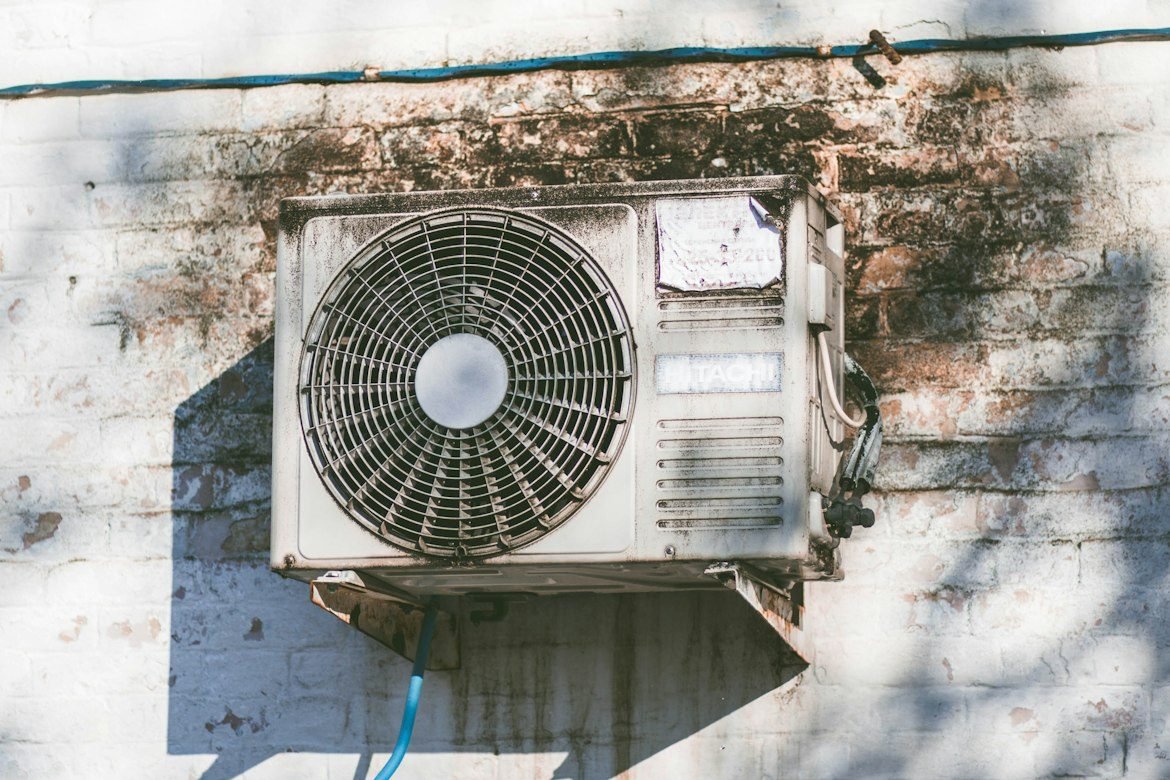
Water near the outdoor condenser can look alarming, but it is not always a problem. On many central AC systems, the indoor condensate drain terminates outdoors. During humid weather, seeing a steady drip near the outlet can mean your air conditioner is removing moisture exactly as it should.
The outdoor unit itself can also sweat in humid conditions. What matters is where the water is coming from and whether it is causing damage. Water pooling near the foundation, backing up toward the house, or appearing beneath the indoor unit deserves attention. If you are unsure, a service technician can tell the difference between normal condensation and an active leak.
Could It Be Refrigerant Instead of Water?
Homeowners sometimes use the word “leak” to describe any moisture around an AC system, but water and refrigerant are very different. Refrigerant usually does not leave a large visible puddle. You may instead notice oily residue around a line connection, hissing, poor cooling, or ice forming on the coil or copper lines.
If you suspect refrigerant trouble, do not touch damaged lines or attempt a repair yourself. Shut the system down if it is freezing or performing poorly, then arrange for professional service. A proper repair includes leak detection, repairing the source, pressure testing, and charging the system to manufacturer specifications.
What to Do When Your Air Conditioner Is Leaking
First, protect the area around the unit. Move boxes, rugs, electronics, and furniture away from the water. If water is close to electrical wiring, the furnace control board, or an outlet, turn the system off at the thermostat and avoid standing in pooled water.
Next, look for simple clues without taking the equipment apart. Check whether the air filter is heavily soiled. Make sure supply and return vents are open and not blocked by furniture. Look for ice on exposed refrigerant lines or the indoor coil cabinet. If the system is leaking from a ceiling, attic, or concealed location, turn it off and call for service right away to limit water damage.
Avoid pouring harsh drain cleaners, bleach, or improvised chemical mixtures into the condensate line. These products can damage components, create fumes, and may not clear a serious blockage. Likewise, do not keep restarting an AC that trips a float switch or repeatedly leaks. The switch is there to protect your home from overflow.
Preventing AC Leaks Before the Hottest Days
Most AC leaks are easier to prevent than to repair after water has spread. Seasonal maintenance gives a technician a chance to clear the condensate drain, inspect drain pans and safety switches, clean the evaporator coil when needed, and check airflow. It also helps catch refrigerant and electrical concerns before they interrupt cooling during a heat wave.
Between visits, keep filters current, maintain clear space around indoor equipment, and pay attention to changes in cooling performance. A new musty odor, water stain, gurgling drain sound, or sudden increase in humidity is worth addressing early. For homeowners in Toronto and the GTA, high-humidity stretches can put extra demand on the drain system, making preventive service especially worthwhile.
A leaking AC is not a problem to live with until the end of summer. Prompt, professional repair protects your home, keeps cooling efficient, and helps your system deliver the comfort you expect when the temperature climbs.