
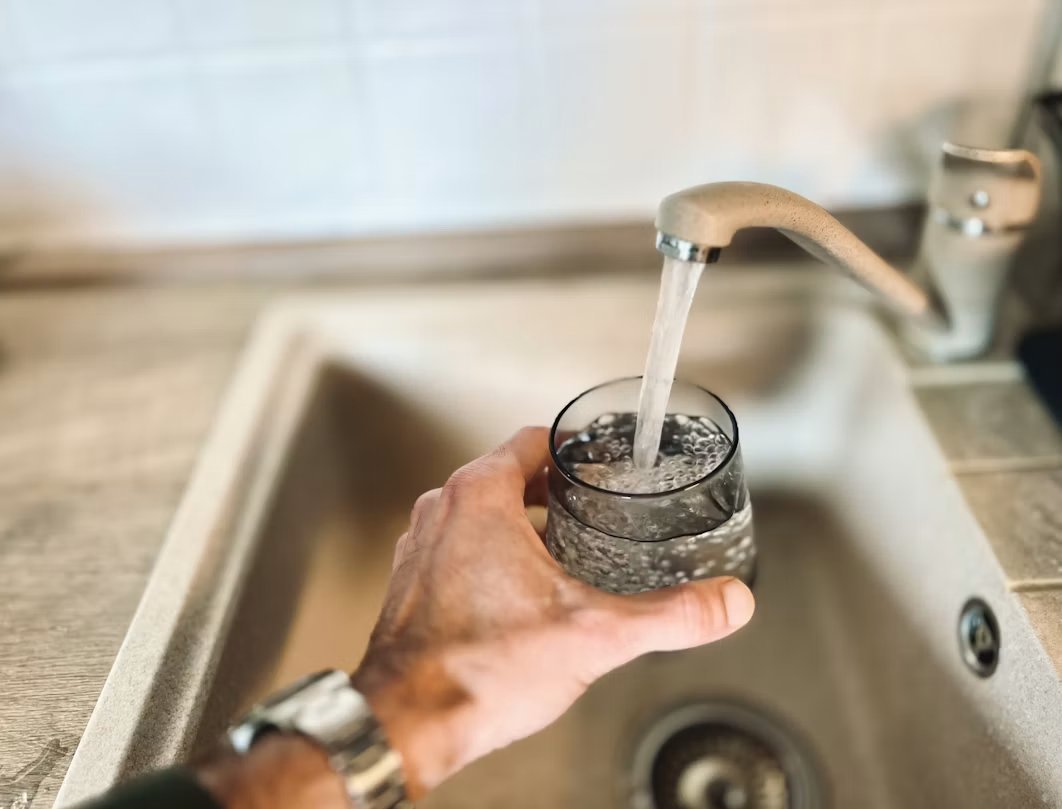
A glass of water can look perfectly clear and still leave you wondering what is coming through your tap. The best home water filtration systems are not necessarily the largest or most expensive units. They are the systems matched to your water quality, your household’s needs, and the fixtures you want to protect.
For homeowners, the right choice often comes down to one question: Are you trying to improve drinking water, protect plumbing and appliances, or address a confirmed water-quality concern? The answer determines whether a compact under-sink filter, a reverse osmosis system, or a whole-home solution makes the most sense.
What Makes a Water Filtration System the Right Fit?
Municipal water is treated before it reaches your home, but treatment does not mean every home has identical water conditions. Water can pick up sediment from aging pipes, carry chlorine taste or odor, and contain minerals that leave scale on faucets, shower doors, and water-using appliances. Homes on private wells have a different set of concerns and should be evaluated based on water testing.
Before choosing equipment, consider where the problem shows up. If drinking water tastes unpleasant but showers, laundry, and appliances are not affected, a point-of-use system may be all you need. If you see white buildup around fixtures, notice dry skin after showering, or want to protect a water heater, dishwasher, and washing machine, a whole-home treatment plan may be a better investment.
A proper recommendation should account for your water source, household size, plumbing layout, water pressure, and maintenance expectations. A system that is undersized can restrict flow. One that is oversized may cost more than necessary.
Best Home Water Filtration Systems by Household Need
Under-Sink Carbon Filters for Everyday Drinking Water
An under-sink carbon filter is a practical starting point for many households. Installed beneath the kitchen sink, it treats water at the point where you fill glasses, cook, make coffee, and wash produce. Carbon filtration is commonly used to reduce chlorine taste and odor, along with certain sediment and other contaminants depending on the filter’s certification and design.
This option is compact, relatively affordable, and easy to live with. The trade-off is coverage: it improves water at one location, not throughout the home. It also needs timely cartridge replacement. A neglected filter cannot deliver the performance you expect.
For renters or homeowners who only want better-tasting kitchen water, this can be a sensible solution. For families focused on a higher level of drinking-water filtration, reverse osmosis is often the next step.
Reverse Osmosis Systems for High-Quality Drinking Water
Reverse osmosis, often called RO, is one of the most effective options for treating drinking and cooking water. These systems use multiple filtration stages and a semipermeable membrane to reduce a broad range of dissolved substances. An RO system is typically installed under the kitchen sink with a dedicated drinking-water faucet.
RO is a strong choice for homeowners who want greater confidence in the water they drink, prepare food with, or use for baby formula. It is also popular for reducing mineral content that can affect the taste of tea, coffee, and ice.
There are trade-offs to understand. Reverse osmosis systems require professional installation for best results, periodic filter and membrane changes, and adequate water pressure. They also produce wastewater during the filtration process, although modern systems can be more efficient than older designs. The system should be sized for your household’s drinking-water demand rather than the entire home.
Whole-Home Sediment and Carbon Filtration
A whole-home filtration system is installed where water enters the property. It treats water before it reaches sinks, showers, toilets, laundry equipment, and appliances. This is the right category to consider when sediment, chlorine odor, or general water quality is a concern throughout the house.
A sediment pre-filter can capture particles such as sand, rust, and debris. This is particularly useful where water conditions or plumbing may introduce visible particles. A whole-home carbon filter can then help reduce chlorine and improve the smell and feel of water used throughout the home.
The primary benefit is coverage. Your shower water, laundry water, and kitchen water are all treated, while fixtures and appliances receive an added layer of protection. The trade-off is a higher upfront investment and the need to choose equipment with enough flow capacity. A busy household should not have to choose between filtered water and a strong shower.
Water Softeners for Hard Water Protection
A water softener is not the same as a drinking-water filter, but it is one of the most valuable water treatment systems for homes with hard water. Hard water contains minerals, mainly calcium and magnesium, that create scale buildup. You may see it as white residue on glassware, showerheads, faucets, and inside kettles.
Over time, scale can reduce the efficiency of water heaters and affect appliances that rely on water. A properly sized softener helps protect your plumbing system, improves soap performance, and can make cleaning easier. Many homeowners notice softer-feeling laundry and fewer spots on dishes as well.
If your priority is both scale control and better drinking water, a softener and an under-sink RO system can work well together. The softener addresses minerals throughout the home, while RO provides highly filtered water at the kitchen sink.
UV Water Treatment for Private Well Water
Ultraviolet, or UV, treatment uses light to disinfect water and control microorganisms. It is most relevant for homes using private well water or properties with a confirmed microbiological concern. UV treatment does not remove minerals, sediment, or dissolved contaminants, so it is often paired with pre-filtration and other treatment equipment.
Water testing matters before selecting a UV system. Cloudy water or sediment can interfere with UV performance, which is why correct filtration stages and routine maintenance are essential. For a municipal water home, UV is usually not the first system to consider unless testing or a specific circumstance calls for it.
How to Choose Without Paying for the Wrong System
Start with the problem you can see, taste, or measure. Chlorine taste at the kitchen sink points toward carbon filtration or reverse osmosis. Scale buildup points toward water softening. Sediment calls for filtration at the main water line. For well water, testing should come before equipment selection.
Do not rely on a neighbor’s setup alone. Water conditions can vary between neighborhoods, buildings, and even individual homes because of plumbing age and water usage. A free water assessment or professional consultation can help identify the right treatment path before installation.
Also consider ongoing ownership costs. Every filtration system needs maintenance, whether that means changing cartridges, adding softener salt, replacing an RO membrane, or servicing a UV lamp. Clear maintenance expectations are part of a good purchase decision. The lowest installation price is not always the lowest long-term cost if replacement filters are difficult to source or the system is poorly matched to your household.
Professional Installation Protects Performance
Water treatment equipment should be installed with the same care as any other major home comfort system. Incorrect connections, poor drain routing, inadequate shutoff access, or an improperly sized system can lead to leaks, pressure issues, and disappointing results.
Professional installation helps ensure the equipment is placed correctly, accessible for future service, and configured for your home’s water conditions. This is especially important for whole-home systems, softeners, and reverse osmosis units that require drain connections and precise setup.
For homeowners in Toronto and the GTA, A2Z Comfort Solutions can help assess your water concerns and recommend a practical solution that fits your home, budget, and daily routine. The goal is not to sell more equipment than you need. It is to give your family cleaner, better-performing water and protect the systems you depend on every day.
The best next step is simple: identify what you want to improve, test when needed, and choose a system you can maintain with confidence. Clean water should feel like one less thing to worry about at home.