
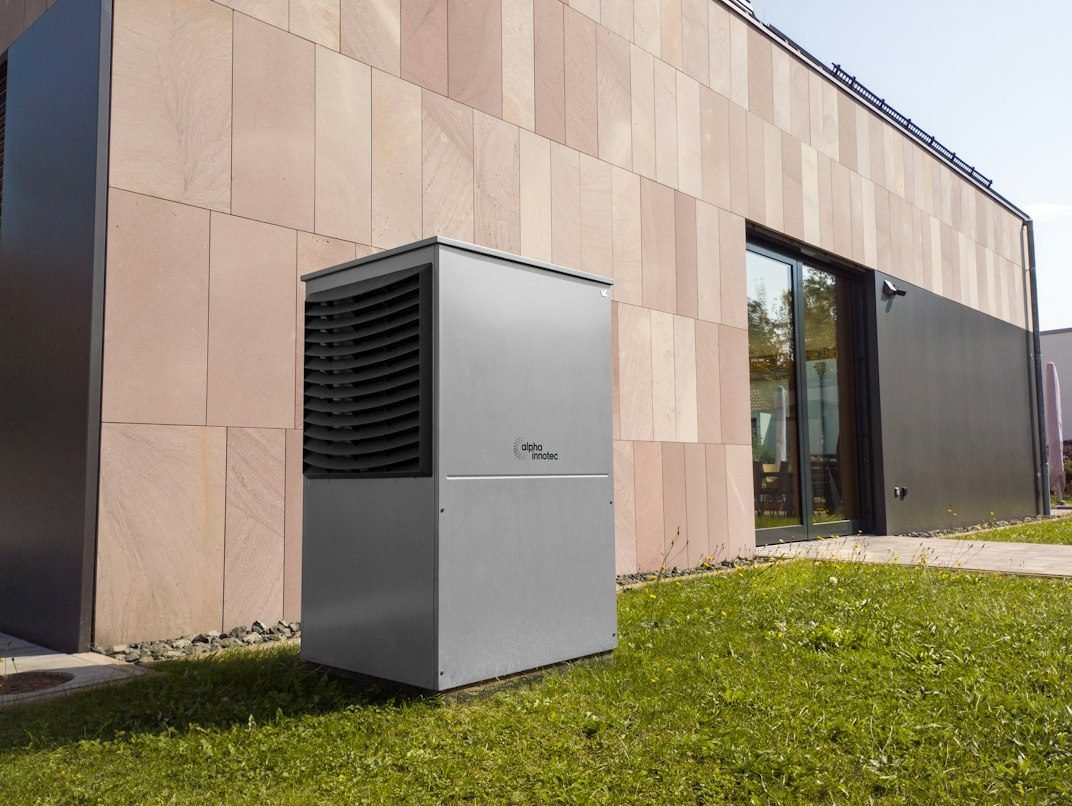
A heat pump works through winter cold, summer heat, rain, pollen, and falling leaves. Unlike a furnace or air conditioner that may sit unused for half the year, it is often your home’s primary heating and cooling system. That is why a practical heat pump maintenance guide is about more than avoiding a service call. It helps protect comfort, manage energy costs, and catch small problems before extreme weather turns them into an urgent repair.
Most routine care is straightforward. The key is knowing what you can safely handle yourself, what needs a trained technician, and when a change in performance deserves attention.
Why Heat Pump Maintenance Pays Off
A heat pump moves heat rather than creating it through combustion. That makes it highly efficient, but it also means airflow, refrigerant levels, electrical components, and outdoor conditions all affect performance. A clogged filter or blocked outdoor coil can force the system to run longer to do the same job.
Regular maintenance can help your heat pump deliver more consistent temperatures, use less electricity, and reduce strain on major components. It can also preserve manufacturer warranty requirements, which commonly call for professional service at scheduled intervals.
Maintenance cannot prevent every breakdown. Parts wear out, and severe weather can create unexpected issues. Still, a system that is cleaned, inspected, and adjusted regularly is less likely to fail on the coldest or hottest day of the year.
Your Seasonal Heat Pump Maintenance Guide
A simple seasonal routine keeps maintenance manageable. You do not need to take apart the equipment or work around electrical connections. Focus on airflow, visible condition, and early warning signs.
Check and replace the air filter
Start indoors. Check the return-air filter every month, especially during heavy heating or cooling use. Replace a disposable filter when it looks dirty, or clean a reusable filter according to its instructions. Many homes need a new filter every one to three months, although the right interval depends on the filter type, pets, dust levels, and how often the system runs.
A neglected filter restricts airflow. You may notice weak airflow at vents, longer run times, more dust around the home, or rooms that never quite reach the thermostat setting. A high-efficiency filter can improve air filtration, but it must be compatible with your system. An overly restrictive filter can create airflow problems of its own.
Keep supply and return vents open and clear
Walk through the home once each season and make sure supply registers and return grilles are not blocked by rugs, furniture, curtains, or storage. Closing many vents in unused rooms is rarely a good energy-saving strategy. It can increase pressure in the ductwork and reduce the airflow your heat pump needs.
If one room is consistently too warm or too cool, the cause may be ductwork, insulation, thermostat placement, or system sizing. Do not assume closing vents will solve it. A technician can help identify the actual source of the imbalance.
Give the outdoor unit breathing room
The outdoor unit needs clear space to exchange heat with the air. In spring and summer, remove leaves, grass clippings, mulch, and debris from around the unit. Keep shrubs trimmed back so air can move freely through the coil. Avoid stacking tools, patio items, or yard waste beside it.
In winter, gently clear snow accumulation from around the unit and maintain an open path for drainage. Do not cover an operating heat pump with a tarp or solid cover. It needs airflow, and trapped moisture can create problems. Never chip ice from the coil or use sharp tools near the fins. Bent fins and damaged refrigerant lines are far more costly than a professional service visit.
Watch the defrost cycle without worrying too soon
When outdoor temperatures are cold and damp, frost can form on a heat pump’s outdoor coil. The system periodically enters a defrost cycle to melt that frost. During this time, you may hear a change in operating sound, see steam rising from the unit, or notice the indoor fan pause briefly. Those signs are usually normal.
What is not normal is heavy ice that remains on the unit for long periods, repeated defrosting, loud grinding or banging, or water that cannot drain away and refreezes. These conditions can point to a drainage, sensor, refrigerant, or airflow issue and should be checked by a qualified technician.
Test the thermostat before the weather changes
Before summer and winter arrive, test both heating and cooling modes. Set the thermostat a few degrees above room temperature in heating mode, then a few degrees below room temperature in cooling mode. Give the system time to respond. Heat pumps often deliver gentler, steadier air than a furnace, so avoid judging performance by the temperature at a vent alone.
If you use a programmable or smart thermostat, choose a steady schedule. Large temperature setbacks can make a heat pump work harder to recover, particularly in cold weather. The best settings depend on your equipment, insulation, household routine, and whether you have backup heat. When in doubt, ask your service technician to recommend settings for your specific system.
What Professional Heat Pump Service Should Include
Homeowner checks are valuable, but they do not replace a professional tune-up. Because heat pumps run in both seasons, annual maintenance is the minimum for most homes. Some systems, especially those in high-use households or exposed locations, may benefit from a check before the heating season and another before peak cooling season.
During a professional appointment, a technician should inspect the indoor and outdoor coils, verify refrigerant performance, test electrical connections and controls, check the condensate drain, assess airflow, and examine the blower and outdoor fan. They should also look for worn parts, unusual vibration, damaged insulation on refrigerant lines, and drainage issues around the outdoor unit.
This is not just a cleaning visit. Proper diagnostics can identify conditions that are difficult to see, such as a weak capacitor, a developing refrigerant leak, or a defrost control problem. Addressing these issues early may prevent a loss of heat or cooling when you need it most.
Signs You Should Schedule Service Now
A heat pump should not have to struggle to keep your home comfortable. Call for service if you notice a sudden increase in energy use without a clear reason, uneven temperatures that persist after changing the filter, reduced airflow, frequent cycling, or new noises such as rattling, squealing, or grinding.
Other warning signs include water leaking near the indoor unit, persistent ice on the outdoor unit, a burning or electrical smell, or a thermostat that does not seem to control the system properly. If your system is not heating during cold weather or is blowing air that feels unexpectedly cool, do not wait for the problem to worsen. Heat pumps can feel different from conventional furnaces, but a technician can determine whether the operation is normal or whether backup heat, refrigerant, airflow, or controls need attention.
Avoid do-it-yourself refrigerant work, electrical repairs, or deep coil cleaning with harsh chemicals. These jobs require the right tools, training, and safety procedures. Attempting them can damage the system and may affect warranty coverage.
A Maintenance Habit That Makes a Difference
The easiest way to stay ahead is to put two reminders on your calendar: one before the cooling season and one before the heating season. Use those reminders to inspect the filter, clear the outdoor unit, test the thermostat, and book professional maintenance if it is due.
Keep a short record of filter changes, service dates, unusual noises, and any comfort concerns. That information gives a technician a clearer picture of how the system has been performing. For homeowners who want dependable, year-round support, A2Z Comfort Solutions can provide professional heat pump service focused on safe operation, efficient performance, and reliable comfort.
A well-maintained heat pump should fade into the background of daily life. A few minutes of seasonal care, plus expert service when needed, gives it the best chance to do exactly that.