
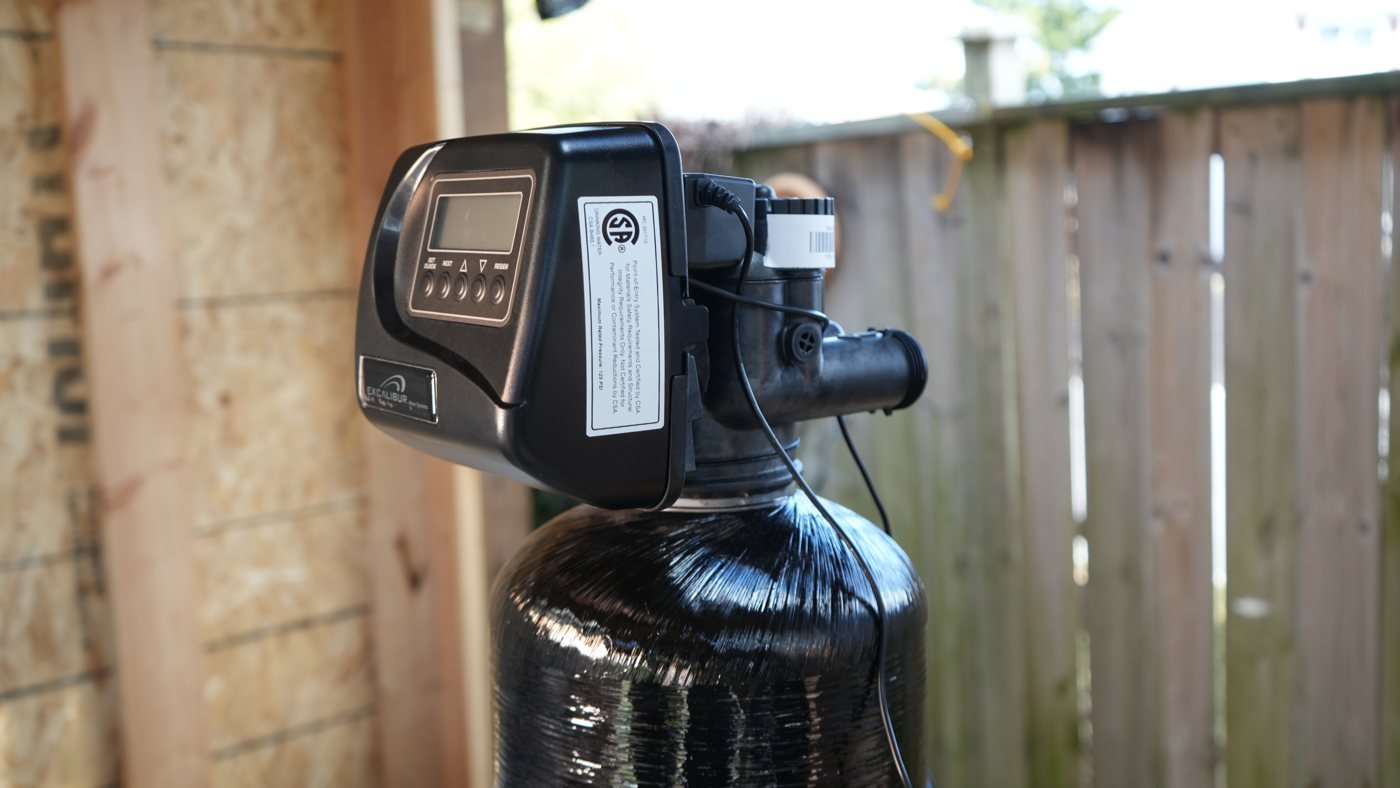
Hard water rarely announces itself with one dramatic problem. It shows up as spots on clean glasses, stiff laundry, dry-feeling skin, a stubborn ring around fixtures, and a water heater that seems to work harder than it should. A whole home water softener addresses the minerals behind those everyday frustrations before the water reaches your faucets, appliances, and plumbing.
For homeowners, this is not just a question of making water feel nicer. The right system can reduce scale buildup, support more efficient water heating, and help protect equipment that depends on a steady supply of water. But a softener is not the right answer for every water concern, and system sizing and installation matter just as much as the unit itself.
What a Whole Home Water Softener Actually Does
Hard water contains dissolved calcium and magnesium. These minerals are safe to consume, but they leave behind scale when water dries or is heated. That scale can collect inside showerheads, dishwasher components, water heater tanks, tankless heat exchangers, faucets, and pipes.
Most residential softeners use an ion-exchange process. Water passes through resin beads that attract calcium and magnesium. The system exchanges those hardness minerals for a small amount of sodium or potassium, leaving the treated water softer. When the resin becomes saturated, the system regenerates with a brine solution and flushes the collected minerals away.
The result is water that rinses more cleanly, lathers better with soap, and is less likely to leave mineral deposits behind. A whole-home system is installed where water enters the house, so it treats the water supplied to bathrooms, the kitchen, laundry equipment, and water-heating equipment.
Signs Hard Water Is Affecting Your Home
A few water spots do not automatically mean you need a softener. Still, when several signs appear together, it is worth having your water tested and reviewing your options with a qualified technician.
Common signs include white or chalky buildup on faucets and shower doors, cloudy glassware after a dishwasher cycle, soap scum that returns quickly, rough towels, fading laundry, and frequent cleaning of fixtures. You may also notice reduced shower pressure caused by mineral buildup in the showerhead.
The more expensive clues are often hidden. Scale inside a conventional water heater can reduce heat transfer and contribute to sediment issues. In a tankless water heater, mineral buildup can interfere with performance if regular flushing is skipped. Appliances such as dishwashers and washing machines can also face more wear when hard water is left untreated.
Hardness levels vary by local supply and by property. Municipal water can be treated and safe while still containing enough minerals to cause scale. That is why a water test is more useful than choosing a system based on a neighbor’s experience or an online guess.
The Benefits You Can Expect
The most immediate difference is usually in cleaning. Softened water helps soap and detergent work more effectively, which can mean less product is needed for dishes, laundry, and bathing. Glassware may come out clearer, and bathroom fixtures can require less aggressive scrubbing.
Longer term, the plumbing and equipment benefits are often the bigger reason to invest. Reducing scale can help preserve water flow through fixtures and support better performance from water heaters. It does not eliminate every maintenance need, but it can reduce one of the most common sources of buildup in water-using equipment.
Many homeowners also like the feel of softened water. Skin and hair may feel less dry after showering, and fabrics may feel softer after washing. Results differ by household habits, the starting hardness level, and the type of soaps or detergents used, but the change can be noticeable.
There is a practical trade-off: a softener requires salt or potassium chloride, water for regeneration, and occasional maintenance. The goal is not to buy the largest unit available. It is to select an efficient system that matches your household’s water use and hardness level.
Water Softener vs. Water Filtration
A water softener and a water filter solve different problems. A softener is designed primarily to reduce hardness minerals. It does not necessarily remove chlorine taste, odors, sediment, lead, bacteria, or other specific contaminants.
If your concern is drinking-water taste or the removal of selected contaminants, a reverse osmosis system or another filtration solution may be appropriate at the kitchen sink. If sediment is present, a pre-filter may be needed to protect the softener resin and valves. Some homes benefit from a combined approach: whole-home softening for scale control and point-of-use filtration for drinking and cooking water.
The right setup depends on your water test and your priorities. A clear explanation of what the system can and cannot do is essential. No responsible contractor should promise that one piece of equipment solves every water-quality issue.
Choosing the Right Size and Type of System
Sizing a softener involves more than counting bathrooms. A technician should consider the water hardness level, the number of people in the home, typical daily water use, and peak-demand periods. A family that runs multiple showers, laundry, and a dishwasher during the same evening may need a different capacity than a smaller household with similar square footage.
A system that is too small can regenerate too often and may struggle to keep up with demand. One that is oversized can cost more upfront and may use salt and water inefficiently. Proper sizing helps balance performance, operating costs, and equipment life.
Look for a demand-initiated regeneration control rather than a simple timer-based system when possible. Demand-initiated models regenerate based on actual water use, which can reduce unnecessary salt and water consumption. This is especially useful for households whose schedules change, such as families that travel, work shifts, or host guests regularly.
You should also ask where the unit will be installed. A softener needs adequate space, access to the main water line, a drain connection, and a nearby electrical outlet for the control valve. The installation location should remain accessible for refilling salt and servicing the equipment.
Installation Details That Protect Your Investment
Professional installation is about more than connecting pipes. The installer should confirm the plumbing layout, choose the correct location, install a bypass valve, set the control head for the tested hardness level, and verify that the drain line is routed correctly. They should also explain how to add salt, use the bypass, and recognize when service may be needed.
A bypass valve is particularly valuable. It lets you isolate the softener if maintenance is required while keeping water available to the rest of the house. For homeowners with outdoor irrigation, it may also make sense to leave exterior hose connections on untreated water. There is little benefit in using softened water to irrigate a lawn, and it avoids unnecessary salt use.
If you are replacing a water heater, upgrading to a tankless unit, or dealing with recurring scale issues, it can be smart to assess your water treatment at the same time. Coordinating the work can help ensure that water equipment is protected from day one.
Ongoing Care Is Simple but Necessary
Most softeners are low-maintenance, but they are not maintenance-free. Check the salt level regularly and keep enough salt in the brine tank for the system to regenerate properly. The exact refill schedule depends on the system, water hardness, household size, and water use.
Avoid letting salt form a hard bridge above the water in the brine tank. If that happens, the tank may look full while the system cannot access the salt it needs. Use a suitable water-softener salt, keep the tank area clean, and arrange service if you see leaks, unusual cycling, poor water pressure, or a return of scale buildup.
Annual maintenance can be worthwhile, particularly for homes with high hardness or systems that receive heavy use. A professional can inspect settings, clean components as needed, test the water, and make sure the system is regenerating efficiently.
When a Water Softener Makes the Most Sense
A whole-home softener is often a strong investment when hard water is causing repeated scale, cleaning headaches, appliance maintenance, or concerns about water-heating efficiency. It can be especially valuable for households with several occupants, multiple bathrooms, or high hot-water use.
It may be less urgent if your water test shows low hardness and you are not seeing scale-related problems. Likewise, if your main concern is chlorine taste or drinking-water contaminants, filtration should be part of the conversation rather than an afterthought.
For homeowners in Toronto and surrounding communities, A2Z Comfort Solutions can help assess your water conditions, explain the options in plain language, and install a system sized for your home. The best next step is a water test and a straightforward estimate, so you can spend less time fighting buildup and more time enjoying the comfort your home is supposed to provide.