
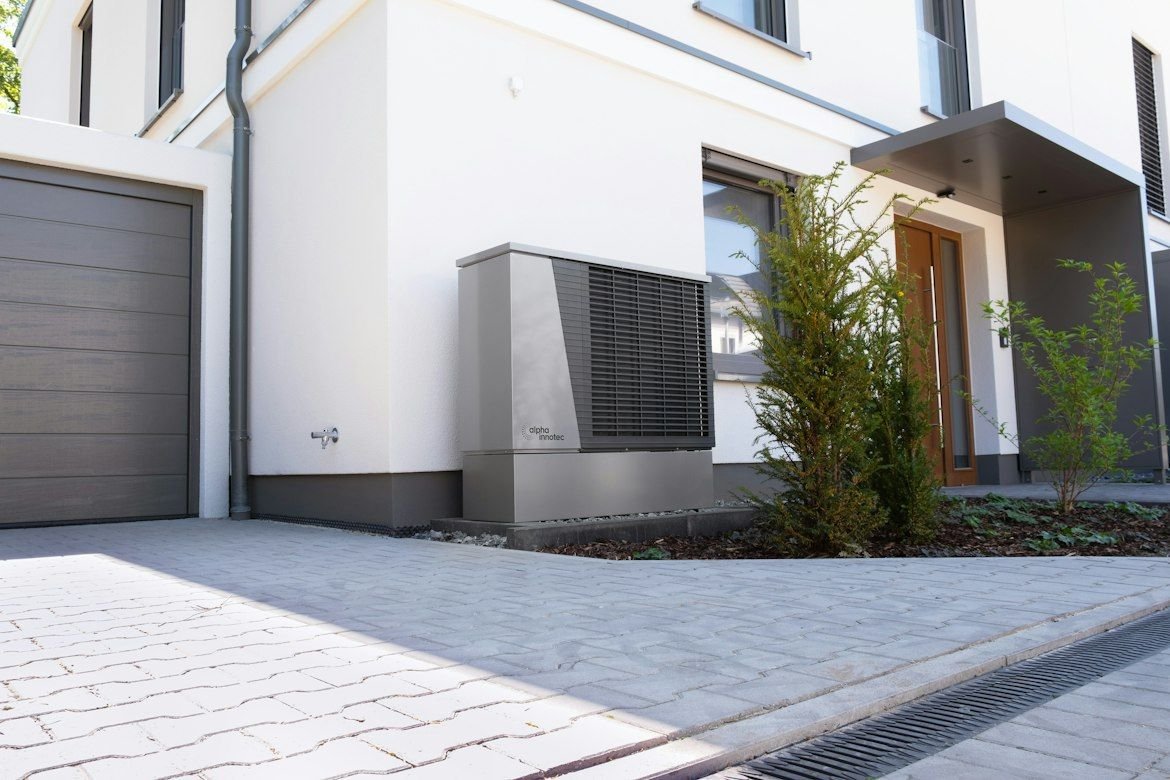
A furnace that still runs is not always a furnace worth keeping as the center of your home comfort system. If cooling costs climb every summer, some rooms never feel right, or you want to reduce fuel use without taking risks during a cold Ontario winter, a heat pump retrofit may be the practical next step. The right system can heat and cool your home efficiently, but the result depends far more on proper design and installation than on the equipment nameplate.
For homeowners across Toronto and the GTA, a retrofit is not simply a swap from one box to another. It is a chance to look at the whole comfort system: the home’s heat loss, existing ductwork, insulation, electrical capacity, thermostat controls, and the role your current furnace may still play.
What a Heat Pump Retrofit Actually Means
A heat pump retrofit adds or replaces heating and cooling equipment in an existing home. Unlike a furnace, a heat pump does not create heat by burning fuel. It moves heat from outdoors into the house during heating season, then reverses that process to move heat out of the house in summer.
Most retrofit projects fall into one of two approaches. An all-electric retrofit uses a heat pump as the primary heating and cooling source, usually with electric backup heat for extreme conditions. A dual-fuel retrofit pairs a heat pump with an existing or new gas furnace. The heat pump handles much of the heating through mild and moderately cold weather, while the furnace takes over when outdoor temperatures fall to a point where it is the more effective choice.
Neither option is automatically better. The right answer depends on your home, utility costs, comfort expectations, and the condition of the equipment already in place. A good recommendation starts with measurements and calculations, not a one-size-fits-all promise.
Why Homeowners Choose a Heat Pump Retrofit
The biggest advantage is year-round operation. One outdoor unit can provide efficient air conditioning in summer and dependable heating through much of the winter. For a home replacing both an aging air conditioner and an older furnace, that can simplify the upgrade decision.
Heat pumps can also reduce reliance on natural gas or other heating fuels. Because they transfer heat rather than generate it directly, they can deliver more heat energy than the electrical energy they consume under the right conditions. That efficiency can lower operating costs, although actual savings vary with the equipment selected, insulation levels, thermostat habits, energy rates, and winter weather.
Comfort is another reason to consider the change. Modern variable-speed systems can run at lower output for longer periods instead of repeatedly switching on and off at full power. This steadier operation may reduce temperature swings, improve humidity control during cooling season, and make certain areas of the home feel more consistent.
A retrofit also gives homeowners an opportunity to address problems that have been ignored for years. Uneven airflow, undersized return ducts, a noisy blower, poor filtration, and an outdated thermostat can all limit the benefits of new equipment. Replacing the outdoor unit without correcting those issues can leave you with an expensive system that never performs as it should.
Is Your Home a Good Candidate?
Many existing homes can support a heat pump, including older detached homes, townhomes, and properties with central ductwork. Still, suitability should be assessed rather than assumed.
Start with the building envelope. Drafty windows, air leaks around attic penetrations, insufficient insulation, and unsealed ductwork make any heating system work harder. A heat pump can still be installed in a less efficient home, but improving the envelope may allow for a smaller system, better comfort, and lower monthly energy use. It is often more cost-effective to reduce heat loss than to oversize equipment to compensate for it.
Next, consider the duct system. Existing ducts may be suitable, but they need enough supply and return airflow for the selected heat pump. Some homes were designed around a high-temperature furnace, which can mask weak airflow until a heat pump is installed. An experienced contractor checks duct sizing, static pressure, return-air paths, and room-by-room airflow before finalizing the system.
Electrical capacity matters as well. Heat pumps require dedicated electrical circuits, and an all-electric setup may require panel upgrades depending on the home and the backup heat strategy. This should be reviewed early, especially in homes that already have electric vehicle charging, electric cooking, or other high-demand loads.
Finally, think about your priorities. If you want maximum electrification, an all-electric system may be a strong fit. If you value the familiar backup of a furnace during the coldest stretches of winter, dual fuel may offer a comfortable middle ground. The best choice is the one that protects comfort on the coldest day, not just the one that looks best on paper.
Heat Pump Retrofit Planning: Sizing Is Everything
Oversizing is one of the most common and costly mistakes in heating and cooling upgrades. A system that is too large may cycle frequently, create temperature swings, make more noise, and struggle to manage indoor humidity in summer. A system that is too small may not keep up when weather is severe.
Proper sizing begins with a heat-loss and heat-gain calculation. This considers square footage, ceiling height, window area and direction, insulation, air leakage, construction type, and local design temperatures. It is not the same as choosing a system based on the size of the old furnace or asking what a neighbor installed in a similar-looking house.
Cold-climate heat pumps have improved significantly and can provide useful heating capacity at low outdoor temperatures. Even so, every model has its own performance curve. Your installer should explain how much heat the proposed unit delivers as temperatures drop, where the balance point may be, and when backup heat will operate. Clear answers here prevent surprises later.
The Role of Your Existing Furnace
A working, appropriately sized furnace does not necessarily need to be removed during a retrofit. In a dual-fuel configuration, it can serve as backup heat while the heat pump handles cooling and a large share of annual heating demand.
However, keeping an old furnace only makes sense if it is safe, reliable, and compatible with the new system. A furnace near the end of its service life can create an awkward situation: you invest in a new heat pump now, then need a major indoor equipment change a year or two later. In some cases, replacing both components together provides cleaner installation, matched performance, and fewer future disruptions.
What Professional Installation Should Include
A heat pump is only as dependable as the installation behind it. Proper work includes confirming the system design, setting the outdoor unit on a stable base with appropriate clearances, protecting refrigerant lines, verifying electrical connections, and commissioning the equipment after startup.
Commissioning is not a formality. Technicians should verify refrigerant charge, airflow, temperature performance, condensate drainage, thermostat operation, and safety controls. For dual-fuel systems, they also need to set the controls so the heat pump and furnace change over at the right conditions. If those settings are wrong, the system may use more energy than necessary or fail to deliver the expected comfort.
Clean workmanship matters inside the home too. Duct modifications should be sealed properly, line-set routes should be protected, and the work area should be treated with respect. Ask what the installation process includes, how long the project is expected to take, and what follow-up support is available after the system is running.
Costs, Savings, and Financing Decisions
The cost of a heat pump retrofit varies widely. Equipment capacity, efficiency level, ductwork changes, electrical work, backup heat, and access conditions all affect the total. A quote that looks lower at first may exclude necessary upgrades that appear later in the project.
Focus on total value rather than equipment price alone. A well-designed system can offer lower energy use, stronger summer comfort, and dependable winter performance for years. A poorly designed installation can undermine even premium equipment. Ask for a clear scope of work, the equipment model numbers, warranty details, and any assumptions behind projected savings.
Available rebates and financing programs can influence timing, but they should not be the only reason to choose a system. Program requirements and availability can change. First make sure the equipment and design fit your home, then confirm which current options apply before signing a contract.
Maintenance Keeps the Retrofit Working
Heat pumps need regular care, just like furnaces and air conditioners. Replace or clean filters on schedule, keep the outdoor unit clear of leaves, snow, and debris, and avoid stacking items around it. In winter, do not chip ice off the unit with sharp tools or cover it tightly, as both actions can cause damage or restrict operation.
Professional seasonal maintenance helps catch airflow restrictions, drain issues, electrical wear, refrigerant concerns, and control problems before they turn into a no-heat or no-cooling call. For dual-fuel systems, annual service should include the furnace as well as the heat pump.
A heat pump retrofit should make your home easier to live in, not more complicated to manage. A2Z Comfort Solutions can assess your current equipment, explain the practical options in plain language, and help you choose a setup built for comfort when the weather is at its worst.