
A furnace that runs constantly, an upstairs bedroom that never cools down, or utility bills that keep climbing are not problems to simply live with. A Brampton HVAC retrofit addresses the full comfort system behind those frustrations – not just the one piece of equipment that finally stopped working. For many homeowners, it is the chance to replace aging heating and cooling equipment with a properly designed setup that is quieter, more efficient, and better suited to the home.
A retrofit is not automatically the right answer for every property. A newer system with a minor repair need may only require service or maintenance. But when equipment is near the end of its life, repairs are becoming frequent, or comfort has become uneven from room to room, planning an upgrade before an emergency can save stress and give you more control over the decision.
What a Brampton HVAC Retrofit Can Include
An HVAC retrofit means upgrading all or part of an existing heating, cooling, ventilation, or air-quality system. The scope depends on the home, its current equipment, and the goals for the project. One homeowner may replace a 20-year-old furnace and central air conditioner. Another may move to a heat pump paired with a furnace for dependable winter backup. A third may need duct modifications, a smart thermostat, or humidity control to solve comfort issues that a new unit alone would not fix.
The most common retrofit components are a high-efficiency furnace, central air conditioner, heat pump, thermostat, ductwork adjustments, humidifier, air filtration, and ventilation improvements. In some homes, a water heater or tankless water heater is also worth reviewing at the same time, especially when mechanical-room space, venting, or fuel connections are being updated.
The key is to treat the house as a system. Installing premium equipment without considering airflow, duct condition, insulation, and equipment sizing can leave a homeowner with disappointing results. A well-planned retrofit looks at how each part works together.
Signs Your Existing System Is Costing You Comfort
Age matters, but it is not the only factor. A furnace or air conditioner can still turn on and run while using more energy than necessary or struggling to keep the home comfortable. If your system requires a major repair and is approaching the later part of its expected service life, compare the repair cost with the long-term value of replacement before approving the work.
Pay attention to how the home feels. Cold areas in winter, hot areas in summer, excess dust, sticky indoor air, dry skin, or loud cycling can point to a system that is no longer operating as it should. A unit that starts and stops frequently may be oversized, improperly controlled, or dealing with airflow restrictions. One that runs for long stretches without reaching the thermostat setting may be undersized, poorly maintained, or losing conditioned air through duct leaks.
Utility costs also tell a story. Seasonal changes affect every bill, but a steady increase without a meaningful change in household habits deserves a closer look. Older equipment generally uses more energy, particularly when maintenance has been deferred or important components are worn.
Start With the Right System Size
Bigger is not better in heating and cooling. Oversized equipment can cycle on and off too quickly, which wastes energy, creates temperature swings, and may reduce humidity control during the cooling season. Undersized equipment can run hard during peak weather and still leave rooms uncomfortable.
Proper sizing should account for the home’s square footage, layout, insulation, windows, ceiling heights, sun exposure, ductwork, and the number of people living in the home. Additions, finished basements, renovated attics, and converted garages can all change the home’s heating and cooling needs. Replacing equipment based only on the capacity of the old unit risks repeating an old design mistake.
This is also where local experience matters. Brampton homes need reliable heat through long Ontario winters and effective cooling during humid summer stretches. A system should be selected for real operating conditions, not just the lowest upfront price or the largest capacity available.
Furnace, Air Conditioner, or Heat Pump?
The right equipment mix depends on your current setup, energy goals, budget, and how you use the home. A high-efficiency gas furnace remains a practical choice for many households that want strong, dependable heating. Pairing it with a new central air conditioner can be a straightforward replacement path when both units are aging.
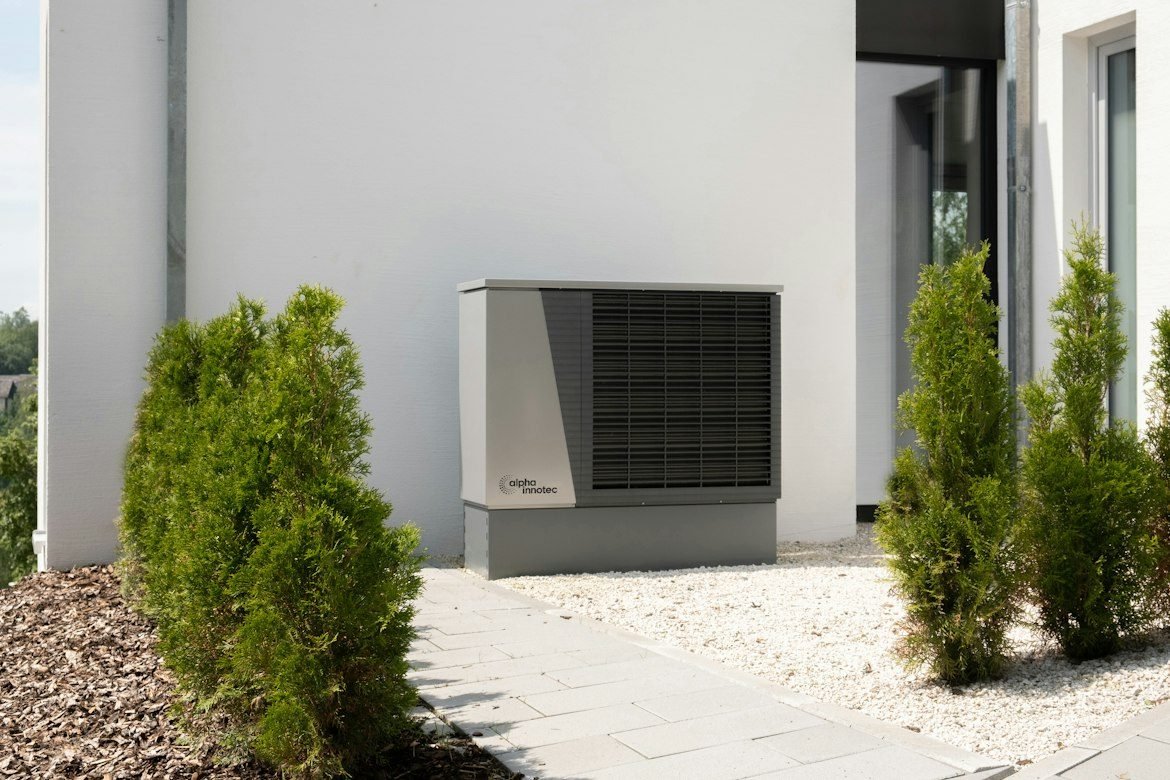
A heat pump can provide both heating and cooling, moving heat rather than generating it in the same way as traditional equipment. It can be an efficient option, particularly in milder weather, and many homeowners choose a dual-fuel arrangement with a furnace for added confidence during colder periods. The best choice depends on the home’s electrical capacity, ductwork, comfort expectations, and installation details.
Equipment ratings matter, but they are only part of the equation. A high-efficiency unit installed poorly will not deliver the savings or reliability it was designed to provide. Correct refrigerant charging, combustion setup, drainage, venting, electrical work, and airflow balancing are all essential.
Do Not Overlook Ductwork and Indoor Air Quality
Ductwork is easy to ignore because it is hidden behind walls and ceilings. Yet damaged, undersized, disconnected, or poorly designed ducts can prevent new equipment from doing its job. If certain rooms have always been uncomfortable, a retrofit should include an airflow assessment rather than assuming the replacement unit will solve the issue.
Duct sealing or targeted modifications can improve air delivery and reduce wasted conditioned air. In some cases, adding return-air capacity helps the system circulate air more effectively. These upgrades can be especially valuable in multi-level homes where the second floor is consistently warmer in summer or cooler in winter.
Indoor air quality should also be part of the conversation. A properly selected filter can help reduce airborne particles, while a whole-home humidifier can make winter air feel more comfortable and protect wood furnishings from excessive dryness. Homes with allergy concerns, pets, or frequent dust may benefit from enhanced filtration. The right solution should fit the household’s needs without restricting airflow or adding unnecessary maintenance.
Budget for the Whole Project, Not Just the Equipment
The purchase price of a furnace, air conditioner, or heat pump is only one part of a retrofit budget. Installation labor, removal of old equipment, permits where required, electrical upgrades, venting changes, condensate drainage, thermostat controls, and duct repairs may affect the final cost. A clear estimate should explain what is included so there are no surprises after work begins.
There are practical trade-offs. The lowest-cost option may address an immediate breakdown but offer limited efficiency gains or a shorter useful life. The highest-end system may provide advanced controls and lower operating costs, but it may not be necessary for every home. The goal is not to buy the most expensive equipment. It is to select dependable equipment that matches the property, comfort priorities, and budget.
If a major upgrade is needed unexpectedly, financing can make the decision more manageable. Qualified homeowners may be able to use 0% financing options rather than delaying a replacement until a complete failure creates an urgent, less flexible situation.
Why Professional Installation Protects Your Investment
A retrofit should begin with an on-site assessment, not a quick guess over the phone. A qualified technician can inspect existing equipment, review airflow concerns, identify venting or drainage issues, and recommend options that make sense for the home.
During installation, details matter. Equipment needs a stable location, accessible service clearances, safe electrical connections, proper drainage, and correctly sealed ducts and vents. Afterward, the system should be tested and commissioned to confirm heating, cooling, airflow, and controls are functioning as intended. Clean work practices and clear instructions on filters, thermostat settings, and maintenance help the homeowner get the best result from day one.
A new system also needs ongoing care. Annual heating and cooling maintenance can catch small issues before they become expensive repairs, preserve efficiency, and support reliable performance when the weather is at its most demanding.
Plan Before the Next Breakdown
The best time to consider a retrofit is often before the furnace fails on the coldest night of the year or the air conditioner quits during a heat wave. Planning gives you time to compare choices, address ductwork concerns, and select equipment based on value instead of urgency.
For homeowners weighing a Brampton HVAC retrofit, A2Z Comfort Solutions can provide a free estimate and explain the practical options without unnecessary pressure. The right upgrade should leave you with more than new equipment – it should give your home steadier temperatures, cleaner air, lower energy waste, and confidence through every season.