
A furnace that starts, runs for a few minutes, shuts off, then starts again is not being efficient – it is short cycling. Knowing how to prevent furnace short cycling can help protect your family’s comfort, avoid surprise heating repairs, and keep winter utility costs under control. In a Toronto-area cold snap, this problem can quickly move from annoying to urgent.
A healthy furnace runs long enough to heat your home steadily before shutting down. Short cycling means it is turning on and off too frequently, often without completing a normal heating cycle. Sometimes the fix is as simple as replacing a dirty air filter. Other times, it points to a thermostat issue, restricted venting, an oversized furnace, or a safety control doing its job.
Why Furnace Short Cycling Deserves Attention
Every start-up cycle puts extra strain on your furnace’s ignition system, blower motor, electrical components, and heat exchanger. When those cycles happen over and over, parts can wear out sooner. Your home may also have uneven temperatures, with some rooms warm while others never catch up.
Short cycling can increase energy use, too. Starting a furnace requires a surge of energy, and frequent starts prevent the system from operating at its intended efficiency. The result may be higher bills without better comfort.
More importantly, a furnace may shut down early because it is overheating or because a safety sensor has detected a problem. Repeatedly resetting the unit or ignoring the issue is not a solution. If you smell gas, notice a burning odor that does not fade quickly, see a yellow burner flame, or your carbon monoxide alarm activates, leave the area and arrange for emergency professional help immediately.
How to Prevent Furnace Short Cycling Before It Starts
Prevention begins with the basics that allow your furnace to move air, read temperatures accurately, and vent safely. Most homeowners can handle a few routine checks, but internal repairs should be left to a qualified HVAC technician.
Replace the Air Filter on Schedule
A clogged furnace filter is one of the most common causes of short cycling. When airflow is restricted, heat builds up inside the furnace. The high-limit safety switch may shut the burners down to prevent overheating. Once the unit cools, it starts again, creating the familiar on-off pattern.
Check the filter monthly during heating season. Many 1-inch filters need replacement every one to three months, while thicker media filters may last longer. The right interval depends on the filter type, whether you have pets, how often the furnace runs, and indoor air quality conditions.
Do not assume a more restrictive filter is always better. A very high-efficiency filter can create airflow problems if your furnace was not designed for it. Use the filter rating recommended for your equipment, or ask a technician which option balances air cleaning with proper airflow.
Keep Supply and Return Vents Open
Closing vents in unused rooms may seem like a practical way to save money, but it can reduce airflow through the system and contribute to overheating. Your furnace and ductwork were designed to distribute a certain volume of air. Blocking too many supply registers changes that balance.
Walk through the home and make sure supply vents and return grilles are fully open and not covered by furniture, rugs, curtains, or storage. Return vents are especially important because they bring air back to the furnace for reheating. A blocked return can make the system work harder and shorten its cycles.
If one area of the house is consistently too warm or too cold, the answer may be duct balancing, insulation improvements, or thermostat adjustments rather than closing vents throughout the home.
Give the Thermostat a Better Reading
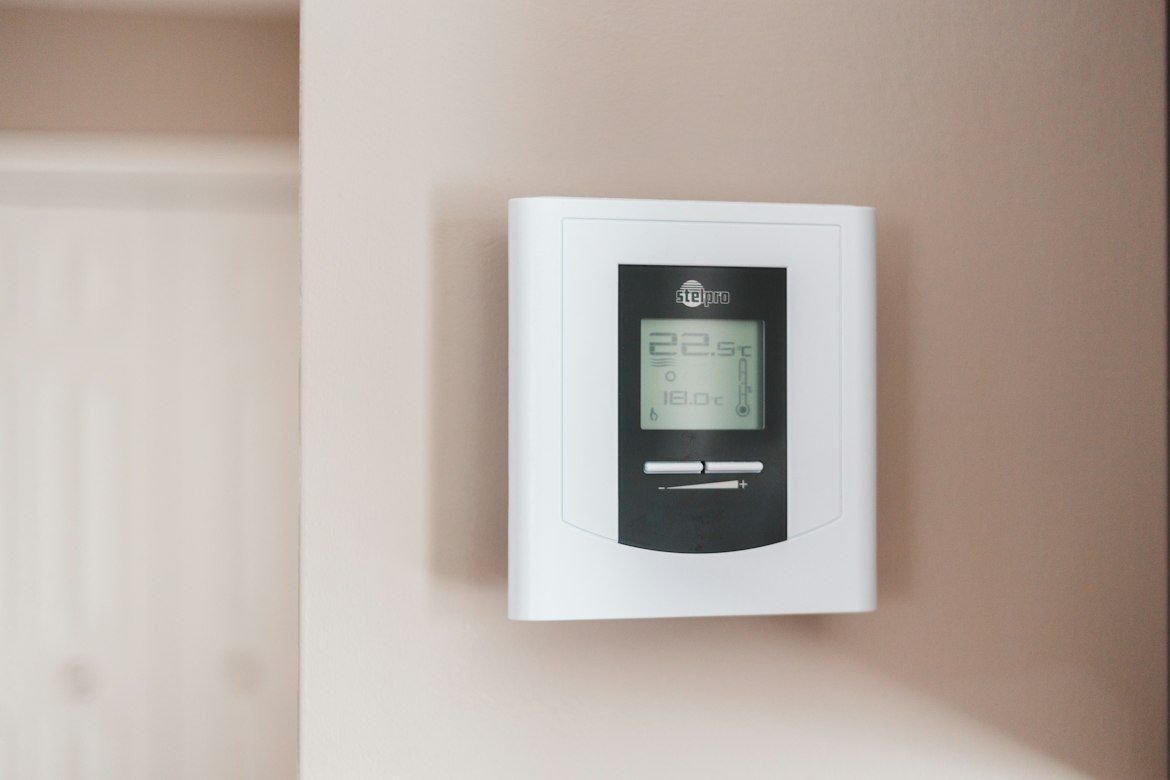
Your thermostat controls when the furnace turns on and off, so its location and settings matter. A thermostat placed near a kitchen, fireplace, sunny window, exterior door, or supply vent can sense a temperature that does not reflect the rest of the home. It may shut the furnace off before distant rooms are comfortable, then call for heat again soon after.
Keep the thermostat clear of lamps, electronics, and other heat sources. If it uses batteries, replace them at the beginning of the heating season. For programmable or smart thermostats, avoid large temperature setbacks during very cold weather. Raising the setting several degrees at once will not heat the home faster, and extreme setbacks can lead to long recovery periods and uneven comfort.
If short cycling began after installing a new thermostat, have the wiring and configuration checked. Some systems require specific settings for furnace stages, fan operation, or cycle rate.
Keep Combustion Air and Exhaust Paths Clear
High-efficiency furnaces commonly use PVC intake and exhaust pipes that terminate outside the home. Snow, ice, leaves, nests, or debris near these pipes can restrict airflow and cause the furnace to shut down for safety reasons. This is particularly relevant after heavy snow or freezing rain.
Check the outdoor terminations visually from a safe location and clear away loose snow or debris around them. Do not insert objects into the pipes, take apart venting, or modify their direction. Incorrect venting work can create serious combustion and carbon monoxide risks.
Inside, keep the furnace area clear. Do not store boxes, paint, chemicals, or laundry directly around the unit. Your furnace needs adequate clearance for service and, depending on the installation, combustion air.
Schedule Professional Maintenance Every Year
Annual furnace maintenance is the best way to catch the conditions that lead to short cycling before they become a breakdown. During a proper tune-up, a technician can inspect the filter and blower, clean components as needed, test safety switches, check ignition performance, verify gas pressure, inspect venting, and confirm the furnace is operating within manufacturer specifications.
This work is about more than preventing a no-heat call. A maintained furnace is more likely to heat evenly, operate efficiently, and last longer. Schedule service in early fall when possible, before the first major cold spell creates a rush for appointments.
Problems That Need a Technician
Some causes of furnace short cycling are not visible from the outside. A dirty flame sensor, failing pressure switch, weak inducer motor, malfunctioning limit switch, damaged heat exchanger, or control board issue can all interrupt a heating cycle. These components involve gas, electricity, combustion, and safety controls, so they should not be repaired through trial and error.
Oversized equipment is another possible cause. A furnace that is too large for the home can heat the thermostat area very quickly, shut off, and restart frequently. This is most likely after a replacement installation, an addition, major insulation upgrades, or changes to the home’s layout. The solution is not always immediate replacement. A technician should first evaluate airflow, duct sizing, thermostat settings, and furnace staging. If replacement is warranted, the new system should be selected using a proper load calculation, not simply by matching the old unit’s size.
Watch for These Warning Signs
Call for service if the furnace runs for only a few minutes at a time, especially if a new filter does not help. Other signs include loud banging or whistling, repeated error codes, cold air from vents, soot near the furnace, water around the unit, or rooms that remain cold despite frequent starts.
A furnace that shuts down repeatedly may be protecting itself from overheating. Continuing to run it can turn a smaller repair into a more expensive failure. Turn the system off if you notice unusual smells, smoke, or a carbon monoxide alarm, and do not attempt to bypass a safety switch.
Protect Comfort With the Right Next Step
Start with the safe homeowner checks: replace the filter, open blocked vents, confirm the thermostat is reading the room properly, and look for obvious snow or debris around exterior vent pipes. If the cycling continues, professional diagnosis is the fastest way to protect your equipment and restore dependable heat.
For homeowners in Mississauga, Toronto, Brampton, and surrounding GTA communities, A2Z Comfort Solutions can inspect the full heating system, explain the cause clearly, and recommend a practical repair or replacement option. A furnace should heat your home quietly and consistently – not keep asking for attention every few minutes.