
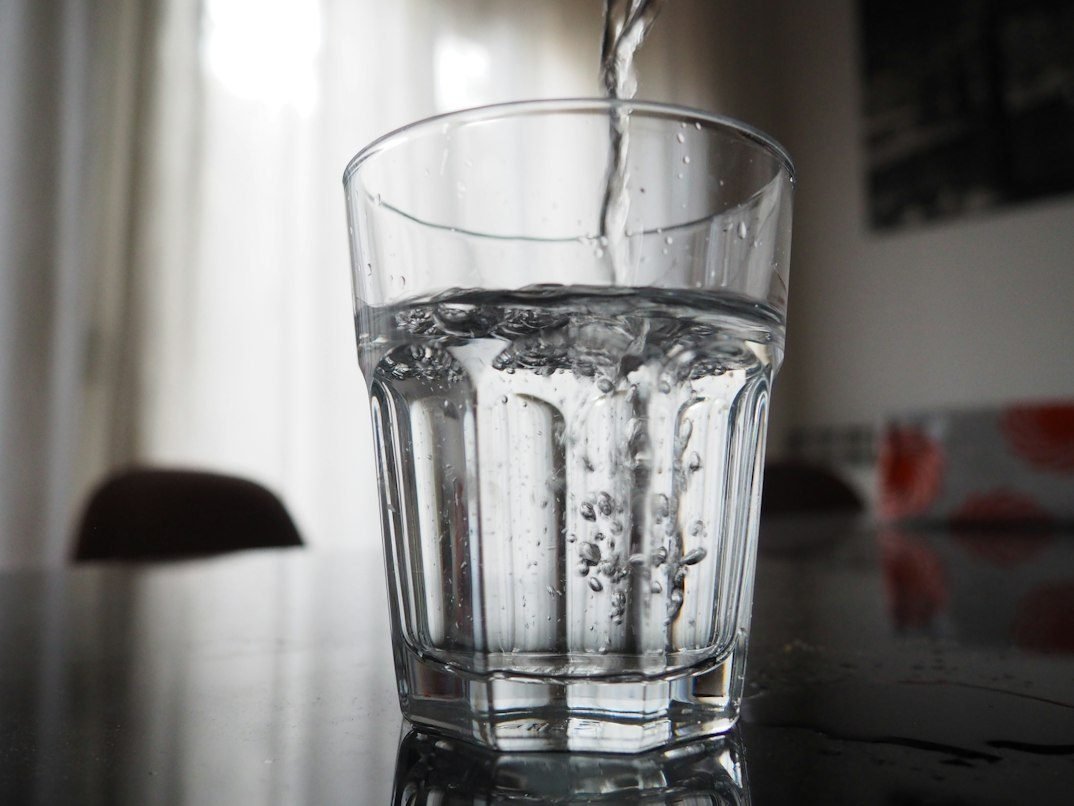
That glass of water can look perfectly clear and still leave you wondering what is actually in it. A reverse osmosis water filtration system is popular for exactly that reason – it gives homeowners a practical way to reduce many dissolved contaminants and improve the taste, smell, and overall quality of drinking water at the tap.
For many families, the question is not whether cleaner water sounds appealing. It is whether reverse osmosis is the right fit for their home, budget, and daily routine. The answer depends on your water quality, how much water you use, and whether you want a simple drinking water upgrade or a more complete treatment plan.
What a reverse osmosis water filtration system actually does
A reverse osmosis water filtration system pushes water through a semi-permeable membrane that is designed to block many unwanted substances. Before water reaches that membrane, it usually passes through pre-filters that reduce sediment and chlorine. After the membrane, many systems include a final polishing filter to improve taste before the water reaches a dedicated faucet or storage tank.
This process can reduce a wide range of contaminants, including dissolved solids, certain metals, salts, and other impurities that standard carbon filters may not handle as effectively. That is why homeowners often notice a cleaner taste in drinking water, coffee, tea, and even ice.
At the same time, reverse osmosis is not a one-size-fits-all answer for every water issue. If a home has hard water, heavy sediment, or specific bacteria concerns, an RO system may work best as part of a broader water treatment setup rather than as a standalone fix.
Why homeowners choose reverse osmosis
Most people do not shop for water treatment because they want another appliance under the sink. They do it because they are tired of buying bottled water, dealing with unpleasant taste, or second-guessing what their family is drinking every day.
A reverse osmosis water filtration system appeals to homeowners because the benefits are immediate and easy to notice. Water often tastes better. Cooking water feels more reliable. Ice cubes can look clearer. For households with kids, elderly family members, or anyone who simply wants more confidence in tap water, that peace of mind matters.
There is also a convenience factor. Once professionally installed, an under-sink RO system gives you filtered water on demand without hauling cases of bottles from the store. Over time, that can mean less plastic waste and less ongoing expense compared to bottled water habits.
What reverse osmosis removes – and what it does not
This is where clear expectations matter. Reverse osmosis systems are highly effective, but no water treatment product should be treated like magic.
In general, an RO system can reduce many dissolved contaminants, including lead, arsenic, nitrates, fluoride, sodium, and total dissolved solids. It can also improve taste by reducing chlorine and other substances that affect odor and flavor, especially when paired with carbon filtration.
What it does not do on its own depends on the water condition and system design. If untreated well water contains bacteria or other biological contaminants, additional treatment may be needed. If your home has very hard water, scale buildup can shorten membrane life, so a water softener or other pretreatment may make sense. That is why professional testing and system matching are so important.
Under-sink vs whole-home reverse osmosis water filtration system
Most homeowners are looking at an under-sink unit for drinking and cooking water. That is the most common setup because it is practical, cost-effective, and targeted to the water you actually consume.
A whole-home reverse osmosis water filtration system exists, but it is far less common in typical residential settings. These systems are larger, more expensive, and usually considered when a property has severe water quality issues that affect the entire home. They also require more space, more maintenance planning, and greater upfront investment.
For the average household, an under-sink system is the smarter choice. It delivers high-quality drinking water where it matters most without overcomplicating the rest of the plumbing system.
Is reverse osmosis worth it for city water?
Yes, often it is – but the reason is not always safety alone. Municipal water is treated and regulated, yet many homeowners still notice taste, odor, chlorine presence, or mineral content that affects how their water feels and tastes.
In areas like Toronto and the GTA, many homes already have safe municipal water, but safe and satisfying are not always the same thing. If you want better-tasting water for daily drinking, cooking, formula preparation, or coffee machines, reverse osmosis can be a strong upgrade.
That said, if your only concern is chlorine taste, a simpler filter may be enough. Reverse osmosis makes the most sense when you want a higher level of filtration and greater reduction of dissolved impurities.
The trade-offs you should know before buying
A trustworthy recommendation includes the downsides too. Reverse osmosis has real benefits, but there are a few practical trade-offs.
First, RO systems produce wastewater as part of the filtration process. Modern systems are more efficient than older ones, but there is still some reject water involved. Second, filtration is slower than standard tap flow, which is why most systems store filtered water in a small tank. Third, ongoing maintenance matters. Filters and membranes need replacement on schedule, or performance drops.
Some homeowners also ask about minerals. Reverse osmosis removes many dissolved substances, including beneficial minerals like calcium and magnesium. For most people, that is not a health problem because minerals mainly come from food, not drinking water. Still, some people prefer the taste of remineralized water, and certain systems are designed with that in mind.
How to choose the right reverse osmosis water filtration system
The best system is not simply the one with the most stages. It is the one that fits your water conditions, household habits, and installation space.
Start with your water source and concerns. Are you dealing with taste and odor, high dissolved solids, visible scale, or known contaminants? That will shape whether you need basic under-sink filtration, pretreatment for hardness, or a more customized setup.
Next, think about daily use. A small household may do well with a standard tank-based system. A larger family that fills bottles, cooks often, and uses filtered water throughout the day may want higher capacity and faster recovery.
Installation quality also matters more than many people realize. Even a good system can underperform if it is installed poorly, connected incorrectly, or left without proper maintenance guidance. Working with an experienced home comfort and water treatment provider helps you avoid mismatched equipment and future service headaches.
What installation and maintenance usually involve
Most under-sink installations are straightforward for a trained technician. The system is typically placed beneath the kitchen sink, connected to the cold-water line, and paired with a separate faucet for filtered drinking water. Depending on the layout, the job may also involve a storage tank and drain connection.
After installation, maintenance is simple but not optional. Sediment and carbon filters usually need replacement more often than the membrane, while the membrane itself lasts longer depending on water quality and usage. If your incoming water is especially hard or contains more sediment, service intervals may be shorter.
This is one reason professional support is valuable. Homeowners want clean water, not a maintenance puzzle. A provider who explains the schedule clearly and handles replacements when needed makes ownership much easier.
Cost vs long-term value
Price matters, especially when you are already managing other home upgrades. The good news is that residential reverse osmosis systems are often more affordable than homeowners expect, especially compared to the long-term cost of bottled water.
Your final cost depends on system size, filtration stages, installation complexity, and whether pretreatment is needed. A basic setup for city water will usually cost less than a customized system designed to address harder water or additional contamination concerns.
The long-term value comes from consistency. You get cleaner drinking water every day without making repeated trips to the store, and you reduce wear on kettles, coffee equipment, and other small appliances that perform better with higher-quality water.
When reverse osmosis makes the most sense
If your water tastes off, leaves you relying on bottled water, or raises concerns about dissolved contaminants, reverse osmosis is worth a serious look. It is especially useful for homeowners who want better drinking water without overhauling the entire plumbing system.
It may not be the only solution your home needs, and that is okay. In some cases, the right answer is reverse osmosis plus a softener or another treatment step. The goal is not to oversell equipment. It is to match the solution to the water in your home and the way your family actually uses it.
Clean water should feel simple. When the system is chosen correctly, installed professionally, and maintained on schedule, it becomes one of those home upgrades you stop thinking about because it just works every day.