
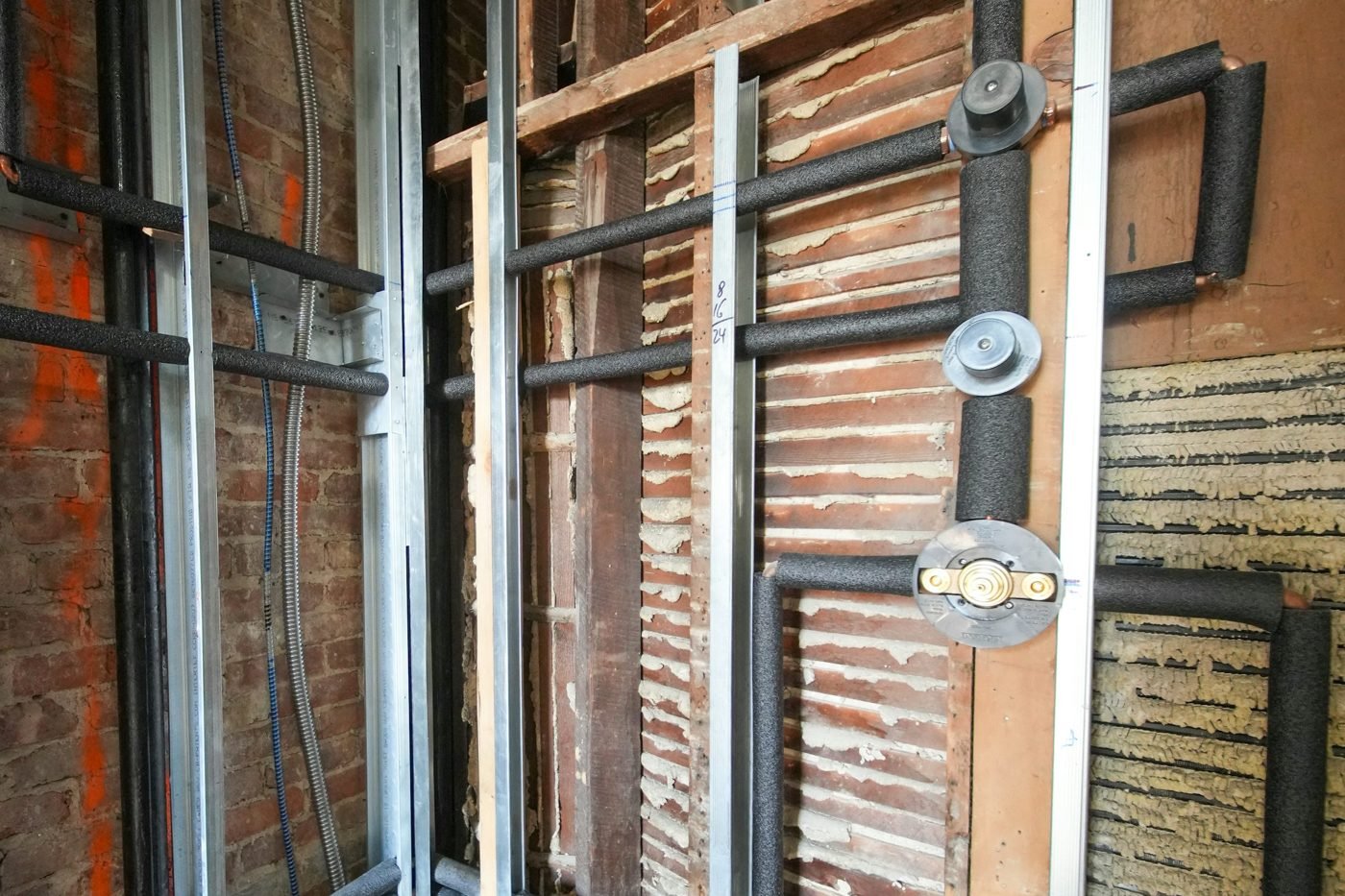
That morning rush tells you everything about your hot water system. One shower runs long, the dishwasher starts, someone turns on a tap in the kitchen, and suddenly the hot water is gone. For many households, tankless water heater installation in Brampton becomes worth considering the moment the old tank can no longer keep up.
A tankless system heats water as you need it instead of storing it in a large tank. That means you are not paying to keep a full tank of water hot all day, and you are less likely to run out during busy parts of the day. For families, landlords, and homeowners planning a long-term upgrade, that sounds appealing. But the real value depends on the home, the gas line, the venting setup, and the quality of the installation.
Why homeowners consider tankless water heater installation in Brampton
In practical terms, people usually make this change for three reasons – comfort, efficiency, and space. A properly sized tankless unit can provide a steady supply of hot water for back-to-back showers, laundry cycles, and routine kitchen use. It also takes up less room than a traditional tank, which matters in utility spaces where every square foot counts.
Energy savings are another part of the decision, but they should be understood realistically. A tankless water heater can reduce standby energy loss because it only fires when hot water is needed. That can help lower utility bills over time. Still, savings vary based on household usage. A smaller home with modest hot water demand may see different results than a larger household with several bathrooms and frequent simultaneous use.
For many Brampton homes, winter performance matters too. Incoming water temperatures can be colder during the heating season, and that affects how hard the unit has to work. This is one reason proper sizing is not optional. A system that looks good on paper but is undersized for real-life demand can leave homeowners disappointed.
Tankless is not one-size-fits-all
This is where honest guidance matters. Tankless systems are a strong option, but they are not automatically the best choice for every property. If the home has older gas infrastructure, limited venting options, or heavy simultaneous demand across multiple fixtures, the installation may be more involved than expected.
You also need to think about usage habits. If two people live in the home and use hot water at different times, a compact tankless setup may be ideal. If a larger family often runs two showers, a washing machine, and kitchen hot water at once, the unit must be selected with that peak demand in mind. In some cases, a homeowner may need a larger model or a different configuration to get the performance they expect.
That does not make tankless a poor investment. It just means the right answer starts with the house, not the sales pitch.
What a professional installation actually includes
A good installation involves much more than swapping one appliance for another. The first step is evaluating your home’s hot water demand, fuel source, venting path, water quality, and available space. If any of those are overlooked, performance and reliability can suffer.
Sizing the unit correctly
The installer should calculate how much hot water your household uses at peak times. This includes looking at bathrooms, appliances, and how many fixtures may run together. The goal is to match the unit’s flow rate and temperature rise capacity to your actual needs, not just your old tank size.
Checking gas and venting requirements
Many tankless systems require specific gas line capacity and approved venting materials. Older homes may need upgrades to support the new equipment safely and efficiently. This is one of the biggest differences between a basic replacement and a proper tankless installation.
Confirming water line and drainage setup
Tankless units can require adjustments to water connections and, in condensing models, a drain for condensate. Those details matter. A clean install should not feel improvised or rushed.
Testing for safe operation
Once installed, the system should be tested thoroughly. That includes ignition, venting performance, water temperature consistency, gas pressure, and overall system operation. Homeowners should also receive a clear explanation of how the unit works and what routine maintenance it needs.
The benefits are real, but so are the trade-offs
A tankless system can deliver excellent comfort and efficiency, but it is smart to understand both sides before making the switch.
The biggest benefit is consistent access to hot water. That is especially valuable in busy homes where a standard tank is often pushed beyond capacity. Another clear advantage is space savings. Wall-mounted units free up room and can make utility areas more functional.
On the other hand, installation costs are often higher than a straightforward tank replacement, especially if gas line or venting upgrades are needed. Maintenance is also part of ownership. Tankless systems should be serviced regularly, and in areas with harder water, descaling becomes even more important. Skipping maintenance can reduce efficiency and shorten equipment life.
There can also be a short delay before hot water reaches the tap. The system heats water on demand, but it still has to travel through your plumbing lines. That is normal, though some homeowners expect instant hot water everywhere and are surprised when the experience is not quite that simple.
Why installation quality matters more than the brand name alone
Homeowners often spend a lot of time comparing equipment and not enough time considering who will install it. That is backwards. Even a high-quality tankless unit can underperform if it is badly sized, poorly vented, or installed without attention to detail.
Professional installation protects more than comfort. It affects safety, efficiency, warranty support, and long-term reliability. Gas appliances need exact setup. Venting has to be done right. Water connections should be clean and secure. The unit also needs to be accessible for future service.
A reliable installer will explain what your home needs, what the project includes, and whether any upgrades are recommended before work begins. That kind of clarity helps avoid surprises and gives homeowners more confidence in the investment.
When is the right time to replace your current water heater?
If your existing tank is leaking, rusting, making noise, or struggling to keep up, waiting rarely improves the situation. Hot water failures tend to happen at the worst times, and emergency replacements often leave less room to compare options carefully.
Planning ahead gives you more control. You can review system sizing, ask about energy efficiency, understand the full installation scope, and consider financing if that helps spread out the cost of a larger upgrade. For many homeowners, replacing an aging water heater before it fails completely is the less stressful move.
This is especially true if your current unit is already near the end of its expected service life. If you have been thinking about upgrading for better performance and lower energy waste, it makes sense to act while you still have time to choose the right setup.
Choosing the right installer in Brampton
When comparing companies, look for more than a low quote. Ask whether the estimate includes gas line review, venting assessment, removal of the old unit, startup testing, and a walkthrough of system operation. If those details are vague, that is a sign to ask more questions.
You also want a company that respects your time and your home. Fast response matters, but so do clean workmanship, clear communication, and support after installation. If service is needed later, you should know who to call and feel confident they will respond.
For homeowners who want straightforward advice, professional workmanship, and dependable hot water without guesswork, A2Z Comfort Solutions is the kind of local HVAC and plumbing partner that understands how to match the system to the home instead of forcing a one-size-fits-all answer.
The best tankless installation is not just about getting hot water. It is about getting a system that fits your home, your budget, and your daily routine well enough that you stop thinking about it altogether – and that is usually the clearest sign the job was done right.