
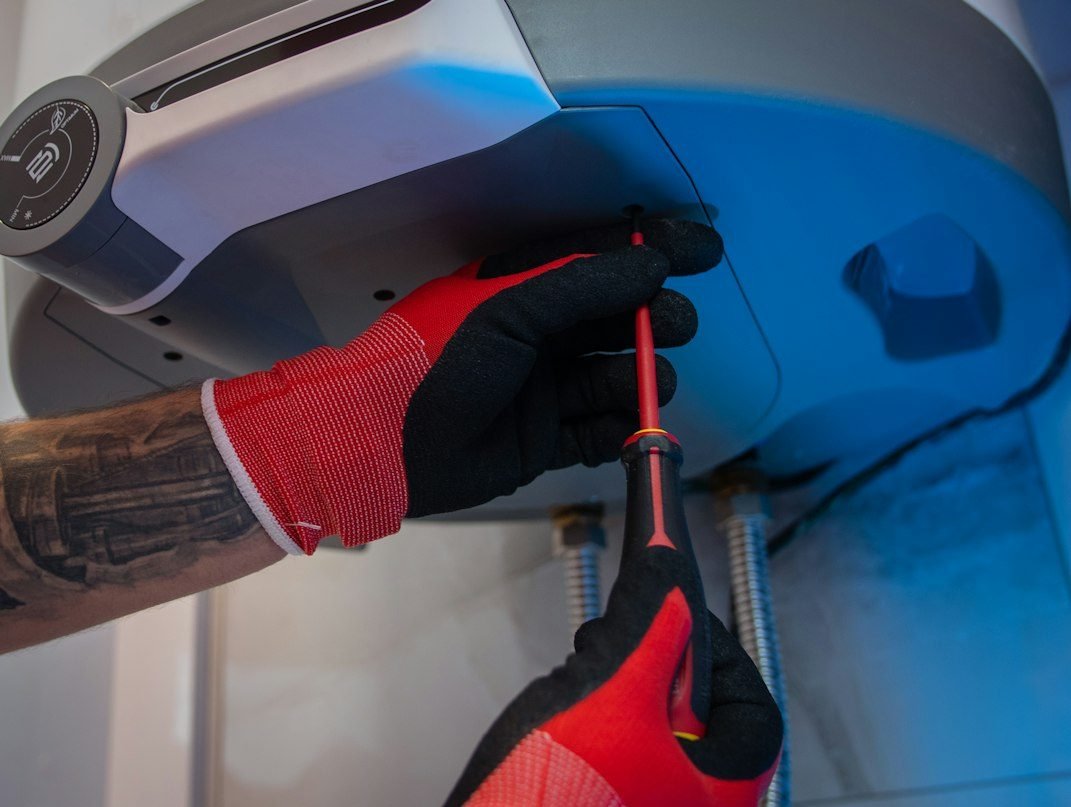
A water heater rarely gives homeowners much notice. One day, showers run normally. The next, there is rusty water, a cold tank, a puddle near the utility room, or no hot water at all. When you need water heater installation in Brampton, the right response is not simply replacing the old unit with the fastest available option. It is choosing a system that fits your household, your fuel source, your space, and your long-term energy costs.
A professional installation protects more than your daily comfort. It helps prevent leaks, venting problems, poor performance, and expensive callbacks after the job is done. For Brampton homeowners facing a replacement, a little planning can turn an urgent problem into a smart home upgrade.
Start With Your Household’s Hot Water Demand
The best water heater is not always the largest one. A family of five with back-to-back showers, laundry, and a dishwasher has very different needs than a two-person household that uses hot water at staggered times. The goal is reliable capacity without paying to heat more water than you need.
For a conventional storage-tank water heater, capacity is only part of the picture. Recovery rate matters too. This is the amount of hot water the unit can heat again within an hour. A properly sized tank with a strong recovery rate can often serve a busy household better than an oversized tank that costs more to operate.
Tankless water heaters work differently. Instead of storing a supply of hot water, they heat water as it flows through the unit. They can be an excellent fit for households that want long-term efficiency and a compact footprint. However, their performance depends on flow rate, the number of fixtures used at once, incoming water temperature, and the unit’s capacity. Running two showers, a dishwasher, and a washing machine at the same time may call for a larger tankless model or a different approach.
A qualified technician should ask practical questions before recommending equipment: How many people live in the home? How many bathrooms are used regularly? Do you have a large soaking tub? Is hot water ever in short supply? Those answers matter more than choosing a unit based on price alone.
Tank or Tankless: Make the Choice for the Right Reasons
A storage-tank water heater remains a dependable, familiar choice for many Brampton homes. It generally has a lower upfront cost, is straightforward to replace when space and connections already exist, and provides a reserve of hot water ready for use. For homeowners replacing a similar unit on a budget, it can be the practical answer.
A tankless water heater may cost more at installation, especially if gas piping, venting, electrical service, or water lines need upgrades. In return, it can provide hot water on demand, reduce standby energy loss, and free up floor space. Tankless systems also tend to have a longer service life when maintained properly.
There is no one-size-fits-all winner. If you need a fast, cost-conscious replacement and your current tank has served your household well, a high-efficiency tank model may make the most sense. If you plan to stay in the home for years, need more consistent hot water, or want to reclaim utility-room space, a tankless upgrade may justify the investment.
What a Proper Installation Should Include
Water heater replacement involves much more than connecting a new appliance. Whether the system is gas, electric, tank-style, or tankless, each installation must meet applicable safety requirements and manufacturer specifications.
For gas-fired equipment, safe venting and combustion air are essential. Incorrect vent sizing, poor connections, or unsuitable vent materials can create serious performance and safety issues. Gas connections must also be tested for leaks. With electric water heaters, correct wiring, circuit capacity, and grounding are equally important.
A professional installer will also inspect the water supply connections, shutoff valves, drain setup, and pressure relief valve. The temperature and pressure relief valve is a critical safety component, not an optional accessory. Its discharge pipe must be installed correctly so excess pressure or temperature can be released safely.
Older homes can introduce additional considerations. Corroded valves, undersized gas lines, aging vent pipes, tight mechanical rooms, or inadequate drainage can affect the scope and price of the job. A clear estimate should explain what is included, what existing conditions may require attention, and whether permits or inspections apply.
Plan for Installation Cost, Not Just Equipment Price
It is understandable to compare water heater prices first, especially when a failure is unexpected. But the lowest equipment price does not always mean the lowest total cost. Installation complexity can change significantly from one home to another.
A like-for-like tank replacement is typically the most direct project. Costs can rise if the job requires venting modifications, a gas-line upgrade, electrical work, disposal of the old unit, relocation, code-related corrections, or conversion from a tank system to tankless. High-efficiency equipment may also have different venting requirements than an older model.
Ask for an itemized explanation of the work rather than a vague number. You should know the recommended model, capacity or flow rating, labor scope, required materials, warranty coverage, and any conditions that could affect the final price. A free estimate gives homeowners room to compare options calmly instead of making a rushed decision after the hot water stops.
Financing can also make sense for a planned efficiency upgrade, particularly when a failing system is paired with other home comfort needs. The right payment option depends on your budget, but quality installation should never be sacrificed to reduce the initial cost.
Signs You Should Replace Before a Breakdown
Most water heaters give warning signs before they fail completely. If your unit is approaching the end of its expected service life, watch for changes in performance. A leaking tank should be addressed promptly, as tank corrosion cannot be repaired in a lasting way.
Other signs include rusty or discolored hot water, rumbling sounds caused by sediment, inconsistent water temperature, rising energy bills, or a pilot light that repeatedly goes out on an older gas unit. Some issues can be repaired, but repeated repairs on an aging system can become a poor investment.
Annual maintenance helps extend equipment life and can catch smaller concerns before they become emergency calls. Tank systems may benefit from flushing to manage sediment buildup, depending on water conditions and manufacturer guidance. Tankless systems require periodic descaling and inspection to maintain efficient operation. Maintenance is particularly valuable when a system is working hard through a busy household’s daily routine.
Why Local Installation Experience Matters
Water heater installation in Brampton should account for the realities of local homes, from older mechanical rooms to newer construction with higher household demand. An experienced installer does not treat every replacement as identical. They verify clearances, venting routes, fuel supply, drainage, and the home’s actual hot water habits before starting work.
Professional service should also be respectful of your home. That means arriving prepared, protecting the work area, removing the old equipment responsibly, testing the new system thoroughly, and explaining how to operate it. Before the technician leaves, you should understand basic controls, maintenance needs, warranty registration steps, and who to call if something does not seem right.
For households with no hot water, response time matters. A2Z Comfort Solutions provides practical options for homeowners who need dependable hot water without unnecessary confusion, including professional installation support and emergency service when the problem cannot wait.
A Few Questions Worth Asking Before You Approve the Job
Before scheduling installation, ask whether the recommended unit is sized for your peak demand, not just your home’s square footage. Confirm whether your existing gas line, electrical circuit, venting, and drainage are suitable for the new equipment. If you are considering tankless, ask what changes are required and how those changes affect the total cost.
It is also smart to ask about warranty coverage and maintenance expectations. A long equipment warranty is valuable, but it may require professional installation, registration, or periodic service. Knowing these details upfront helps you protect the investment.
The right water heater should quietly do its job every day: hot showers when the house is busy, clean installation work in the utility room, and energy use that makes sense for your family. Choosing the system carefully now gives you one less household problem to think about later.